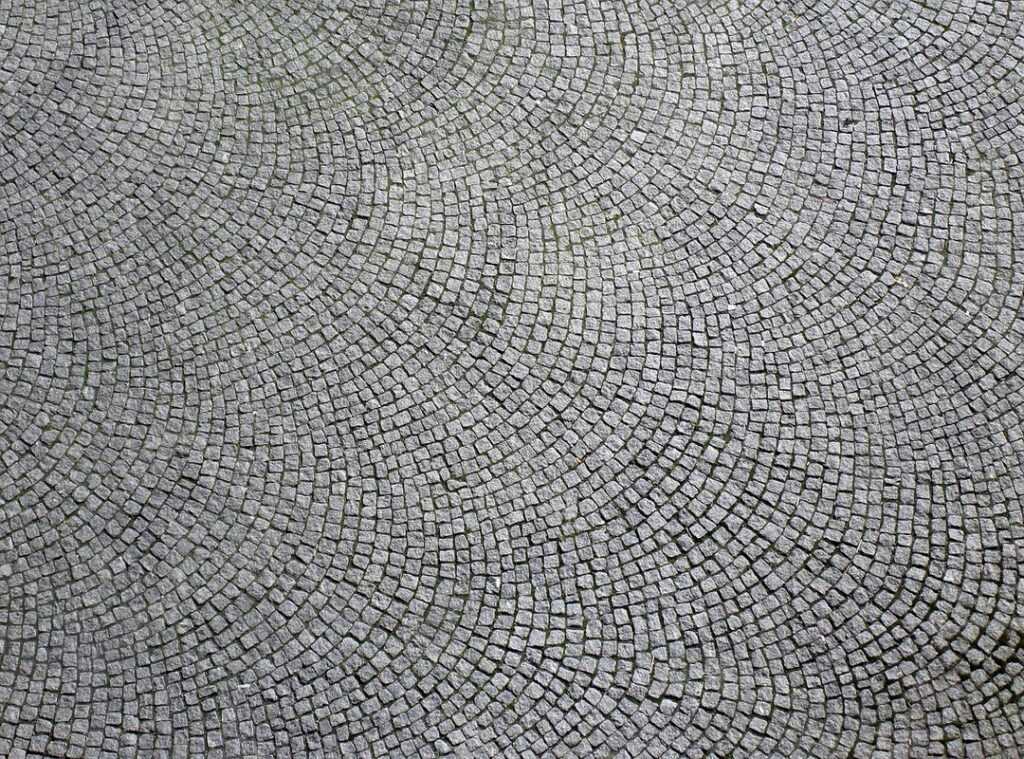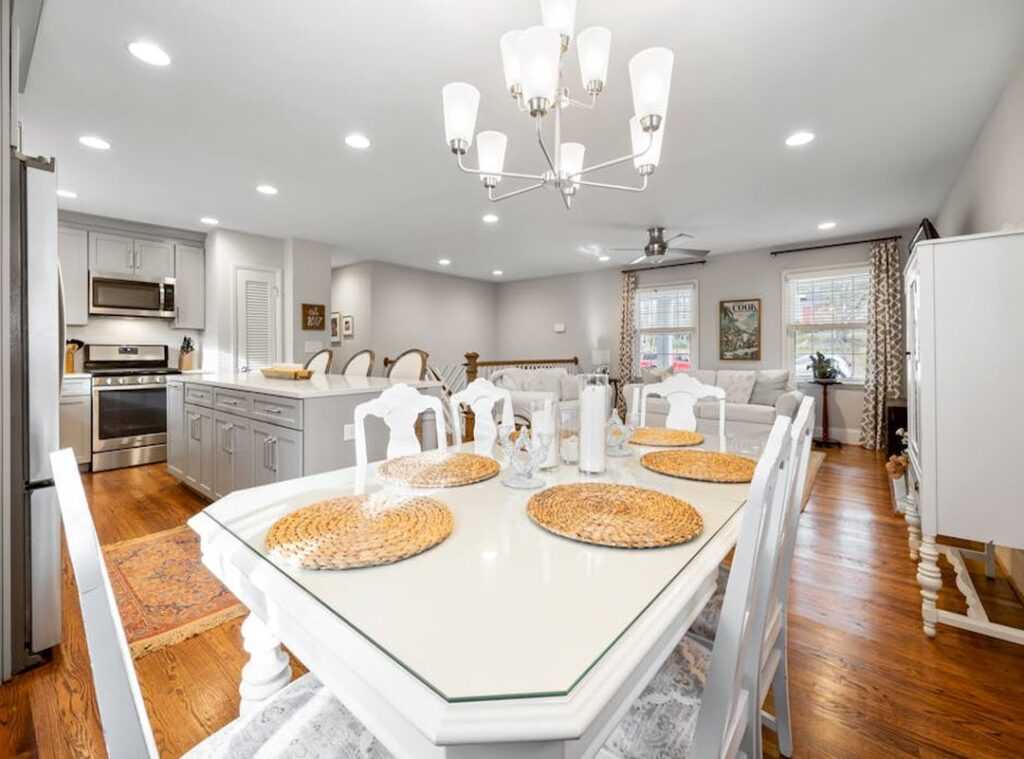
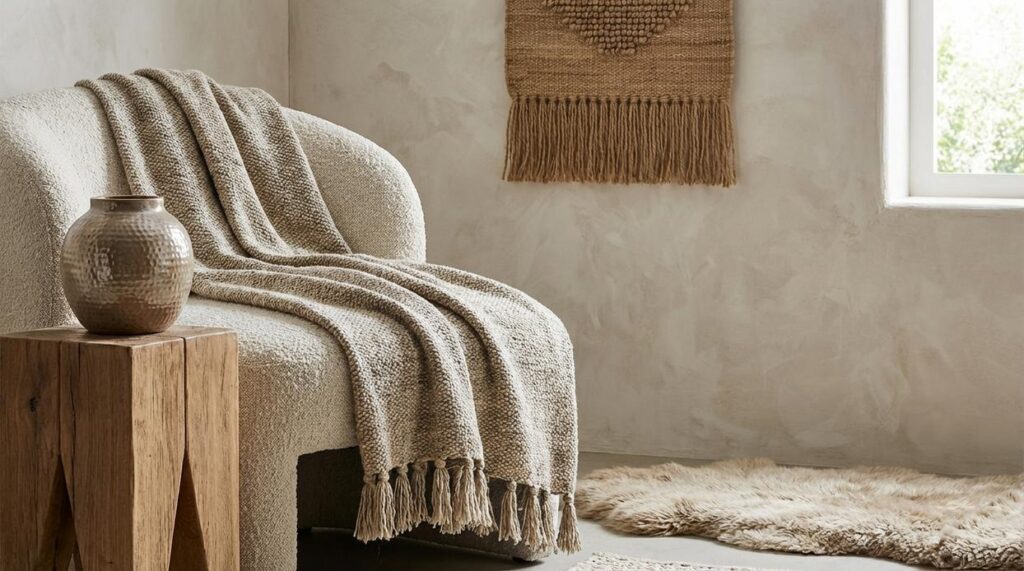
If you’re looking to elevate your space without a full renovation, understanding the role of texture in home decor can completely transform how your home looks and feels. Many homeowners focus on color and furniture but overlook the layers of materials and finishes that add depth, warmth, and personality to a room. This article is designed to show you exactly how texture works, why it matters, and how to use it effectively in any space—whether you’re refreshing a small apartment or redesigning an entire home.
We draw from proven interior styling principles, practical space-optimization strategies, and real-world makeover experience to give you advice that’s both inspiring and actionable. By the end, you’ll know how to mix fabrics, materials, and finishes with confidence—creating a space that feels balanced, inviting, and intentionally designed.
Flat rooms rely on color alone; layered rooms engage every sense. That’s the difference between a showroom and a sanctuary.
- Fabric vs. Finish: Smooth leather beside nubby wool creates contrast, while all-cotton upholstery feels predictable.
- Natural vs. Synthetic: Real wood grain adds warmth; glossy laminate can read cold (think airport lounge).
- Matte vs. Shine: A matte wall with a brass lamp pops more than high-gloss everything.
Use texture in home decor to build depth without repainting. Some argue minimalism means fewer materials. True—but even minimalist spaces mix linen, stone, and metal. Pro tip: vary surfaces per room.
The Fundamentals: Understanding Visual and Tactile Texture
When designers talk about texture, they’re referring to how a surface looks or feels—and both matter more than most people realize.
Tactile texture is physical texture you can feel with your hands. Think of the softness of a velvet cushion, the rough weave of a jute rug, or the cool smoothness of a marble tabletop. These surfaces affect comfort and usability (no one wants an itchy throw blanket).
Visual texture, on the other hand, creates the illusion of depth or movement. Wood grain patterns, the sheen of a silk curtain, or the subtle mottling on a ceramic vase add interest—even if the surface feels smooth.
To create balance, aim for a thoughtful mix:
- Soft fabrics paired with sleek metals
- Natural wood against polished stone
- Matte finishes offset by subtle shine
Blending tactile and visual elements keeps texture in home decor from feeling flat and predictable, making a space feel layered, inviting, and complete.
Building Your Base: Layering Textures in Large Furnishings
A well-designed room rarely relies on color alone. In fact, a 2023 Houzz survey found that 78% of homeowners prioritized material and tactile contrast over bold paint choices during renovations. Why? Because texture in home decor shapes how a space feels just as much as how it looks.
Start from the Ground Up
First, consider your flooring. Sleek hardwood floors reflect light and create a clean foundation. However, on their own, they can feel stark. Pairing them with a high-pile shag rug instantly adds warmth and sound absorption (studies show soft surfaces can reduce ambient noise by up to 30%). Alternatively, a low-profile wool carpet introduces subtle softness without overwhelming the room. The contrast is what creates depth.
Upholstery That Balances
Next, think about your largest seating pieces. A smooth leather sofa—durable and easy to maintain—benefits from neighboring fabrics with more character. Nubby boucle armchairs add visual intrigue, while velvet accent chairs introduce a soft sheen that plays with light. Designers often mix at least two upholstery materials in one seating area to prevent a flat, showroom feel.
Layering at the Windows
Window treatments also matter. Airy linen sheers diffuse sunlight beautifully, whereas heavy velvet drapes create drama and insulation (they can reduce heat loss by up to 25%). Natural woven bamboo shades, on the other hand, bring organic structure.
Consider this practical example: a distressed leather couch, chunky knit area rug, linen curtains, and smooth wooden coffee table. Each element contrasts the next—proving that thoughtful layering transforms a room from simple to compelling.
The Finishing Touches: High-Impact Textural Accessories
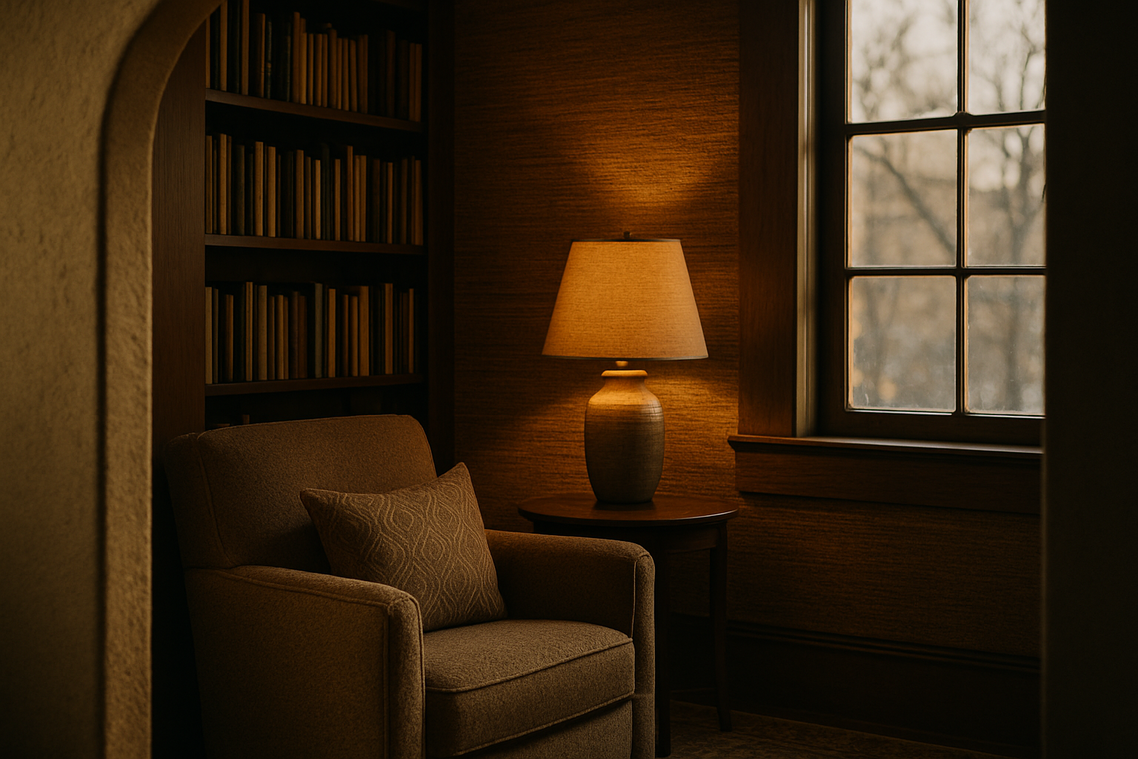
When a room feels flat, the solution usually isn’t more furniture—it’s better layering. The right accessories add depth, warmth, and personality without overwhelming your space. If you want instant impact, start small and build intentionally.
Pillows and Throws
First, experiment with pillows and throws. They’re low-commitment, high-reward pieces (and far cheaper than replacing a sofa). Mix faux fur with chunky cable-knit, pair embroidered cotton with sleek silk, or layer velvet against linen. The contrast is what creates interest. As a rule of thumb, combine at least three different materials on a sofa to avoid a showroom-staged look. Pro tip: Stick to a cohesive color palette so the variety of fabrics feels curated, not chaotic.
Decorative Objects
Next, style surfaces with a blend of finishes. For example, group a matte ceramic vase, a glossy glass bowl, and a rustic wooden tray on a console. The interplay between matte (non-shiny), glossy (reflective), and raw textures keeps the eye moving. Odd-numbered groupings—like three or five objects—tend to feel more natural and balanced.
The Power of Greenery
Then, add plants. Greenery introduces organic texture through varied leaf shapes and structures. A broad-leaf monstera contrasts beautifully with delicate ferns or spiky succulents. Beyond aesthetics, studies from NASA show certain houseplants can improve indoor air quality (NASA Clean Air Study, 1989).
Woven Elements
Finally, incorporate woven pieces like wicker baskets, rattan light fixtures, or jute poufs. These natural fibers ground a space and soften modern lines. When considering texture in home decor, remember that balance matters—review principles like creating visual balance proportion and scale explained to ensure your layers feel intentional, not cluttered.
Beyond Fabric: Integrating Wood, Metal, and Stone
Fabric softens a room, but hard materials give it soul. Start with wood. Smooth, polished walnut feels silky under your fingertips, catching light in a quiet sheen. In contrast, reclaimed oak—with its knots, grooves, and faint scent of sawdust—adds history you can almost hear creak beneath your feet. Pair a sleek wood dining table with rustic floating shelves to balance refinement and character.
Then, introduce metal accents. Chrome reflects like still water—cool, sharp, modern. Brushed brass, however, glows warmly, especially at dusk, while matte black iron grounds a space with industrial gravity (think chic loft energy). Mixing finishes keeps texture in home decor dynamic rather than flat.
Finally, layer in stone and concrete. A marble coffee table feels cool and smooth to the touch; a slate fireplace surround adds smoky depth. Small concrete planters bring a quiet, earthy weight that makes everything else feel intentional.
Creating a Cohesive and Textured Home
Now that you have the framework, let’s simplify what it really means to design with confidence. In essence, texture in home decor refers to how a surface feels or visually appears to feel—like a chunky knit throw (soft and cozy) versus a glass coffee table (sleek and smooth). When people say a room lacks depth, they usually mean it lacks contrast.
So, remember the core principle: balance opposites. Pair soft with hard, rough with smooth, shiny with matte. To begin, start small. Choose one room and introduce three new textures through pillows, a throw, or a woven basket. You’ll notice the difference immediately.
Bring Your Space to Life with Texture
You came here looking for ways to elevate your space, add depth, and make your home feel more intentional. Now you understand how texture in home decor transforms flat, lifeless rooms into warm, layered spaces that feel complete.
Ignoring texture often leaves a home feeling unfinished or uninspired—no matter how expensive the furniture is. By thoughtfully combining materials, fabrics, and finishes, you solve that problem and create a space that feels balanced, inviting, and uniquely yours.
Now it’s time to take action. Start by adding one contrasting material to each room—a woven accent, a natural wood element, or a layered textile—and build from there. If you’re ready for a step-by-step plan to refresh your space with confidence, explore our expert styling guides and practical makeover tips trusted by thousands of home enthusiasts. Your dream space isn’t far off—you just need the right textures to bring it to life.
 Richards Lambusteder has opinions about interior styling ideas. Informed ones, backed by real experience — but opinions nonetheless, and they doesn't try to disguise them as neutral observation. They thinks a lot of what gets written about Interior Styling Ideas, Practical Home Makeover Tips, Decorad Space Optimization Techniques is either too cautious to be useful or too confident to be credible, and they's work tends to sit deliberately in the space between those two failure modes.
Reading Richards's pieces, you get the sense of someone who has thought about this stuff seriously and arrived at actual conclusions — not just collected a range of perspectives and declined to pick one. That can be uncomfortable when they lands on something you disagree with. It's also why the writing is worth engaging with. Richards isn't interested in telling people what they want to hear. They is interested in telling them what they actually thinks, with enough reasoning behind it that you can push back if you want to. That kind of intellectual honesty is rarer than it should be.
What Richards is best at is the moment when a familiar topic reveals something unexpected — when the conventional wisdom turns out to be slightly off, or when a small shift in framing changes everything. They finds those moments consistently, which is why they's work tends to generate real discussion rather than just passive agreement.
Richards Lambusteder has opinions about interior styling ideas. Informed ones, backed by real experience — but opinions nonetheless, and they doesn't try to disguise them as neutral observation. They thinks a lot of what gets written about Interior Styling Ideas, Practical Home Makeover Tips, Decorad Space Optimization Techniques is either too cautious to be useful or too confident to be credible, and they's work tends to sit deliberately in the space between those two failure modes.
Reading Richards's pieces, you get the sense of someone who has thought about this stuff seriously and arrived at actual conclusions — not just collected a range of perspectives and declined to pick one. That can be uncomfortable when they lands on something you disagree with. It's also why the writing is worth engaging with. Richards isn't interested in telling people what they want to hear. They is interested in telling them what they actually thinks, with enough reasoning behind it that you can push back if you want to. That kind of intellectual honesty is rarer than it should be.
What Richards is best at is the moment when a familiar topic reveals something unexpected — when the conventional wisdom turns out to be slightly off, or when a small shift in framing changes everything. They finds those moments consistently, which is why they's work tends to generate real discussion rather than just passive agreement.