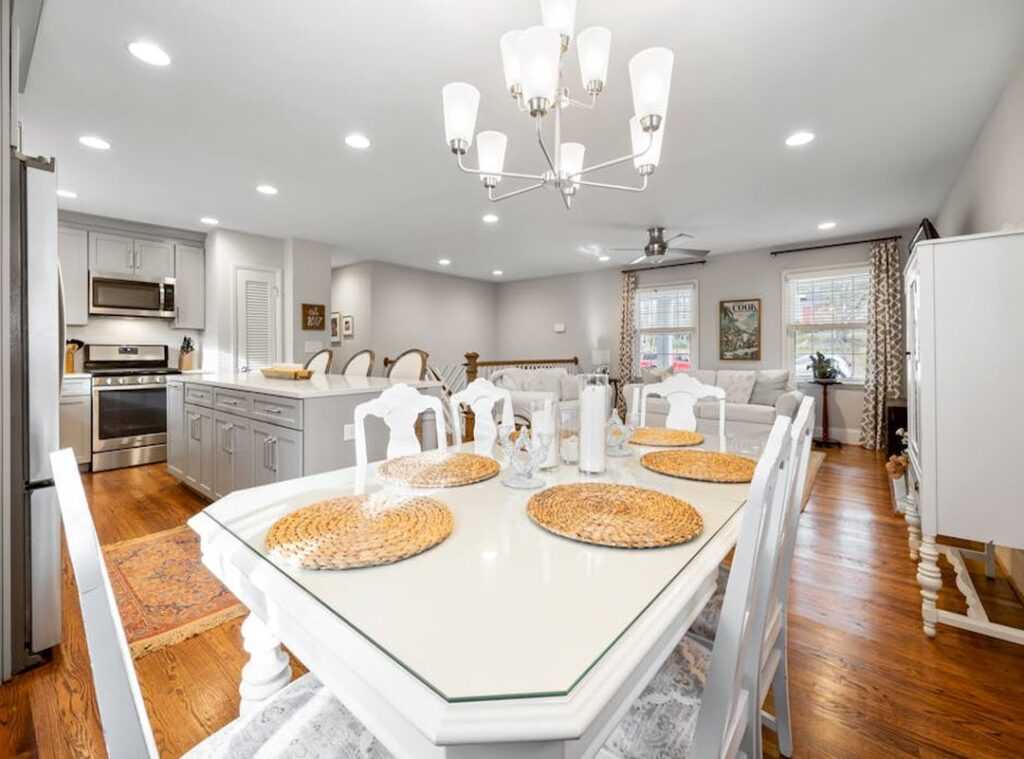

Struggling to figure out why a room feels “off” even when you’ve chosen beautiful furniture and colors? In most cases, the issue comes down to proportion and scale in design. When elements don’t relate well to each other—or to the size of the space—rooms can feel cramped, empty, awkward, or unbalanced.
This article is designed to help you understand how proportion and scale in design work together to create harmony in any space. You’ll learn how to size furniture correctly, balance visual weight, and make smart layout decisions that instantly elevate your interiors. Whether you’re refreshing a single room or planning a full makeover, mastering these principles will help you avoid costly mistakes.
Our guidance is grounded in established interior design principles and real-world styling techniques used by professionals. By the end, you’ll have clear, practical strategies to create spaces that feel cohesive, comfortable, and beautifully balanced.
Ever walk into a room and feel something is off, but you cannot explain why? That uneasy feeling usually comes down to proportion and scale. Proportion means how parts relate to each other—like a coffee table compared to a sofa. Scale is how those pieces relate to the room itself.
When a sectional overwhelms a small apartment, scale is wrong. When tiny art floats above a large bed, proportion is off.
Use proportion and scale in design to create balance. Think of it like casting a movie: every character needs presence. Measure first, then buy (yes, even that adorable chair).
Defining the Terms: Scale vs. Proportion Explained
Designers often use scale and proportion interchangeably—but they’re not twins. They’re more like siblings with very different personalities.
Scale is the relationship between the size of one object and another. Think of a tiny side table next to a massive sectional sofa. The table may look comically small because its size doesn’t relate well to the sofa. That mismatch? A scale issue.
Human scale narrows this further. It measures furniture and room elements against the size of a person. A chandelier hung too low feels intrusive; a kitchen island too tall strains your shoulders. Good human scale ensures comfort and usability (because no one wants to perch awkwardly like they’re in a waiting room).
Proportion, on the other hand, examines the relationship between parts within a single object. For example:
- The height of a chair’s back compared to its legs
- The width of a coffee table relative to its length
- The size of cabinet doors compared to the frame
Now the comparison:
- Scale = object vs. object
- Proportion = part vs. whole
Some argue proportion matters more because it affects aesthetics. Others prioritize scale for spatial balance. In reality, mastering proportion and scale in design is what creates rooms that both look right and feel right.
The Golden Ratio: Nature’s Rule for Perfect Balance
The Golden Ratio (approximately 1.618:1) is a mathematical proportion found in nature, art, and architecture. Think of the Parthenon or even the spiral of a nautilus shell. In interiors, it translates into spaces that simply feel right—balanced, calm, and intentionally styled (even if guests can’t explain why).
What Is the 60/30/10 Rule?
The 60/30/10 rule is a simplified version of the Golden Ratio for rooms:
- 60% dominant color or texture (walls, large rugs)
- 30% secondary element (upholstery, curtains)
- 10% accent (pillows, art, décor)
The benefit? Instant harmony. Instead of guessing, you create contrast without chaos—like a well-edited Instagram grid, but in real life.
Applying the Ratio to Furniture Layout
When arranging furniture, aim for thoughtful grouping. A coffee table should be about two-thirds the length of your sofa. This keeps proportions pleasing and functional. Use proportion and scale in design to prevent pieces from overpowering each other (no one wants a coffee table that feels like a runway).
Visual Weight and Placement
Balance visual weight by pairing opposites. A tall lamp offsets a low-slung sofa. A large plant softens a sharp corner. The payoff? A room that feels grounded and complete.
Practical Makeover Tip: Snap a photo of your room, overlay a simple grid, and check distribution. You’ll quickly spot imbalance—and know exactly what to tweak.
Mastering Scale with Furniture and Architecture
I once bought a sofa that looked perfect in the showroom—sleek, tailored, “Pinterest-ready.” Then it swallowed my living room whole. That was my crash course in scale (and humility).
The Big Three: Sofa, Rug, and Lighting
These three elements quietly control the room.
Rug Sizing Rule
A rug should be large enough that at least the front legs of all main furniture pieces rest on it. This visually anchors the space—meaning it creates a grounded, cohesive layout instead of a floating-furniture effect. Smaller rugs can make a room feel disjointed (like a stage with props that missed their marks).
Lighting Scale Formula
For chandeliers or pendants, add the room’s length and width (in feet). Convert that number to inches—that’s your ideal fixture diameter. For example, a 12′ x 14′ room = 26 inches wide. Over a dining table, the fixture should be about 1/2 to 2/3 the table’s width (Interior Design Society guidelines).
Pro tip: Hang it 30–36 inches above the table surface for balanced illumination.
Negative Space Is Your Friend
Negative space refers to the intentionally empty areas in a room. Even perfectly sized pieces can overwhelm if there’s no breathing room. Overcrowding shrinks a space visually and mentally.
Space Optimization Technique
In smaller rooms, choose multi-functional pieces:
- Storage ottomans
- Lift-top coffee tables
- Slim console desks
The key is to Use proportion and scale in design so every piece earns its footprint.
If you want more foundational guidance, review the essential interior design elements every home should include.
Trust me—when scale works, everything feels intentional (and your sofa stops shouting at the walls).
Making Proportion Practical
Great rooms feel balanced, but balance is not luck. It comes from understanding proportion and scale in design. This means the size of objects compared to each other and to the space around them.
First, consider hanging artwork. Designers often mention the “57 inches on center” rule, which means the middle of the frame sits 57 inches from the floor—roughly eye level. However, scale also matters. One large piece anchors a sofa better than several tiny frames scattered like confetti.
Next, arrange vignettes with intention. A vignette is a styled grouping of objects. To clarify proportions, follow three steps:
- Start with a tall item as an anchor.
- Add a medium object for balance.
- Finish with something small and organic for contrast.
Finally, mix patterns thoughtfully. Combine one large, one medium, and one small scale print to keep the room from feeling chaotic (think less Jackson Pollock).
Creating harmony in any room starts with clarity. First, step back and assess what feels off. More often than not, the issue isn’t your sofa or artwork alone, but how each piece relates in size and presence. This is where proportion and scale in design quietly do the heavy lifting. So, what should you do first? Measure your main seating area and compare it to the rug beneath it. Ideally, front legs rest comfortably on the rug. Next, adjust lighting height and table spacing. Small shifts create balance, flow, and a room that finally feels right. Trust the measurements first.
Bring Balance and Beauty Into Every Room
You started this guide looking for clarity on how to create rooms that feel balanced, cohesive, and professionally styled. Now you understand how proportion and scale in design influence everything—from furniture placement to décor choices—and why getting them right transforms a space instantly.
The frustration of rooms feeling “off,” cramped, or awkward often comes down to mismatched sizing and poor visual balance. When you apply the right proportions, even small adjustments can make your home feel intentional, spacious, and refined.
Don’t let another space in your home feel unfinished or out of sync. Start by reassessing one room today—measure your key pieces, evaluate visual weight, and adjust for harmony. If you want expert-backed styling guidance that simplifies design decisions and delivers real results, explore our proven home living insights trusted by thousands of readers. Get inspired, take action, and turn your space into one that finally feels just right.
 Richards Lambusteder has opinions about interior styling ideas. Informed ones, backed by real experience — but opinions nonetheless, and they doesn't try to disguise them as neutral observation. They thinks a lot of what gets written about Interior Styling Ideas, Practical Home Makeover Tips, Decorad Space Optimization Techniques is either too cautious to be useful or too confident to be credible, and they's work tends to sit deliberately in the space between those two failure modes.
Reading Richards's pieces, you get the sense of someone who has thought about this stuff seriously and arrived at actual conclusions — not just collected a range of perspectives and declined to pick one. That can be uncomfortable when they lands on something you disagree with. It's also why the writing is worth engaging with. Richards isn't interested in telling people what they want to hear. They is interested in telling them what they actually thinks, with enough reasoning behind it that you can push back if you want to. That kind of intellectual honesty is rarer than it should be.
What Richards is best at is the moment when a familiar topic reveals something unexpected — when the conventional wisdom turns out to be slightly off, or when a small shift in framing changes everything. They finds those moments consistently, which is why they's work tends to generate real discussion rather than just passive agreement.
Richards Lambusteder has opinions about interior styling ideas. Informed ones, backed by real experience — but opinions nonetheless, and they doesn't try to disguise them as neutral observation. They thinks a lot of what gets written about Interior Styling Ideas, Practical Home Makeover Tips, Decorad Space Optimization Techniques is either too cautious to be useful or too confident to be credible, and they's work tends to sit deliberately in the space between those two failure modes.
Reading Richards's pieces, you get the sense of someone who has thought about this stuff seriously and arrived at actual conclusions — not just collected a range of perspectives and declined to pick one. That can be uncomfortable when they lands on something you disagree with. It's also why the writing is worth engaging with. Richards isn't interested in telling people what they want to hear. They is interested in telling them what they actually thinks, with enough reasoning behind it that you can push back if you want to. That kind of intellectual honesty is rarer than it should be.
What Richards is best at is the moment when a familiar topic reveals something unexpected — when the conventional wisdom turns out to be slightly off, or when a small shift in framing changes everything. They finds those moments consistently, which is why they's work tends to generate real discussion rather than just passive agreement.