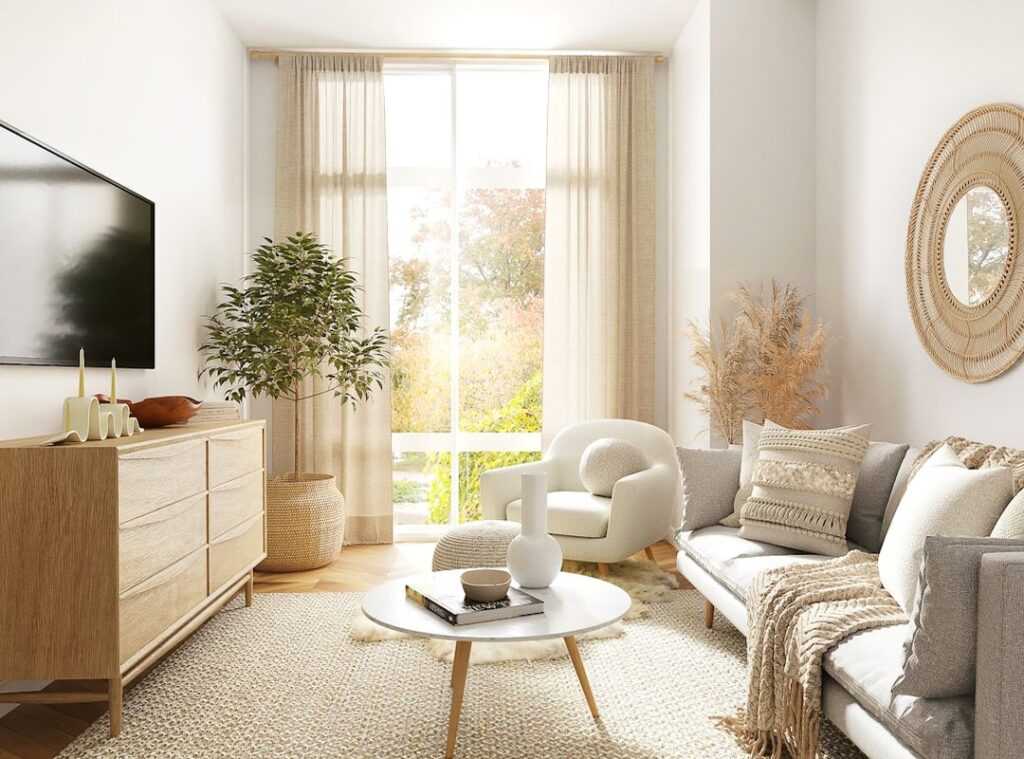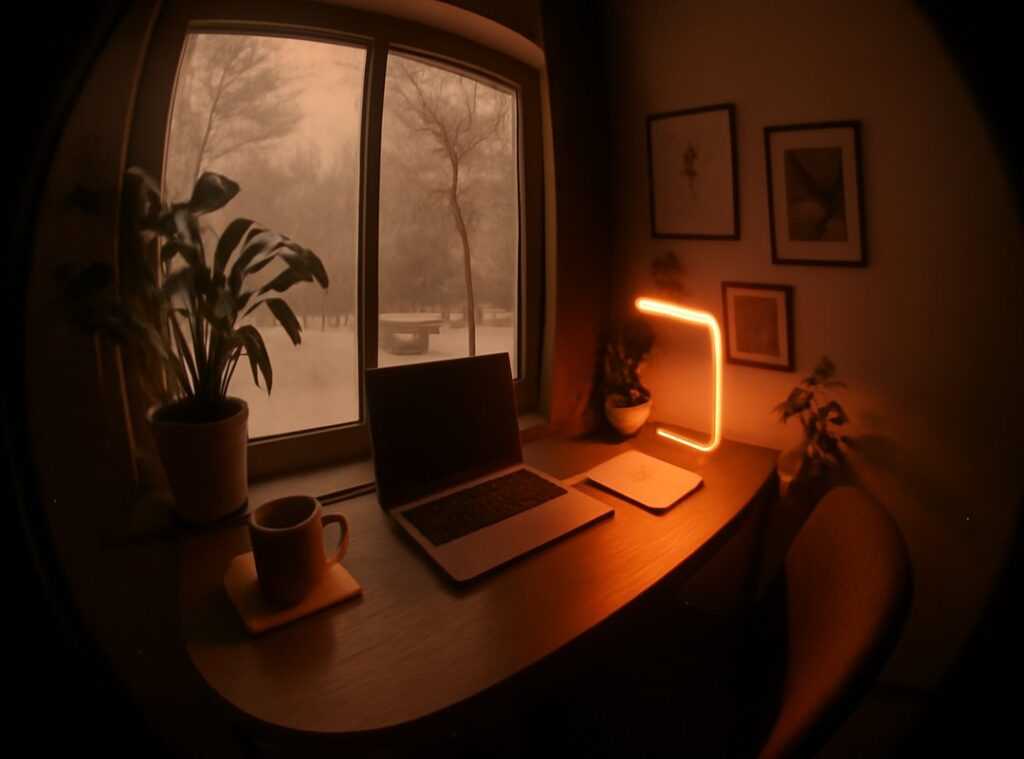
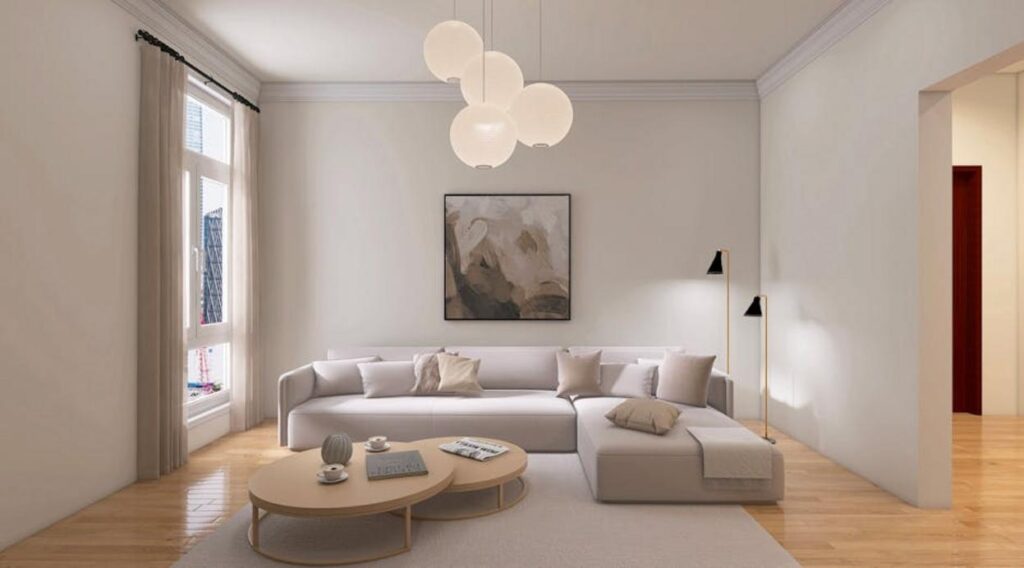
Unlocking your home’s potential starts with clarity—not endless scrolling. If you’re craving a change but feel overwhelmed by countless trends, colors, and layouts, you’re not alone. Many homeowners struggle to define their personal style or know where to begin. This guide moves you from inspiration overload to confident action with a clear, proven framework for discovering and refining interior styling ideas that truly reflect you. Drawing from years of hands-on experience transforming hundreds of homes, we’ll show you how to organize your vision, make purposeful choices, and create a beautiful, functional space that feels authentically yours.
Start with You: Defining Your Personal Design DNA
Before you buy a single throw pillow, start with what you already love. Your home shouldn’t look like a showroom—it should look like you (yes, even if “you” owns five identical black sweaters).
The Closet Trick
Open your wardrobe and scan it like a stylist. Do you gravitate toward neutrals, crisp whites, earthy linens, or bold prints? Notice textures—denim, silk, chunky knits. These patterns reveal your natural preferences. If 70% of your closet is soft beige and cotton, a neon-lacquered living room might feel off. Designers often call this your visual comfort zone—the colors and materials your brain already associates with “safe” and “good.” Translating that into interior styling ideas creates cohesion that feels effortless.
Your Lifestyle Audit
Now get practical. List your top three daily activities in your main living area. Working remotely? Movie marathons? Hosting Sunday dinners? A space designed for entertaining needs durable seating and flexible layouts, while a quiet sanctuary benefits from layered lighting and acoustic softness. (Form follows function isn’t just Bauhaus theory—it’s sanity.)
Emotional Response
Think of a hotel, café, or friend’s home you adored. What did you feel—calm, energized, cocooned? Those emotional cues matter. Studies in environmental psychology show color and lighting directly influence mood (American Psychological Association). Define your core feeling first; design choices follow.
Creating a Mood Board That Works
Go beyond Pinterest. Add paint chips, fabric swatches, even descriptive words like “moody” or “airy.” This tactile board prevents impulse buys and helps you confidently decide details—like how to style open shelving without creating clutter.
Look Beyond Pinterest: Sourcing Ideas from Unexpected Places
Pinterest is great—but it can also become an echo chamber. The same boucle chairs, the same beige sofas (you’ve seen them). If every room starts to look alike, maybe the problem isn’t your taste. Maybe it’s your source.
Inspiration from Nature
Nature offers palettes no algorithm could predict. A forest suggests layered greens, bark browns, and inky shadows. A beach leans into chalky neutrals and misty blues. Designers often call this a color story—a cohesive mix of hues drawn from one setting. Still, I’ll admit: translating a landscape into a living room isn’t always straightforward. Should you match tones exactly or just capture the mood? There’s debate. When in doubt, focus on feeling over precision.
Travel and Culture
It’s tempting to recreate your favorite trip wholesale. But a “theme room” can feel more like a movie set than a home. Instead, distill. Think textured tiles inspired by Lisbon, not a full-on Portuguese revival. A carved wood bowl from Bali can influence subtle interior styling ideas without overwhelming the space. (Less souvenir shop, more subtle nod.)
Architecture and Art
Look at the lines of a modern museum or the composition of a painting you love. Clean verticals might inspire taller shelving; soft arches could guide furniture silhouettes. I can’t promise a perfect translation every time—but experimentation often reveals unexpected harmony.
The Power of a Single Object
Sometimes one meaningful piece—a rug, artwork, or sculptural lamp—anchors everything. Build outward from it. Pro tip: photograph it and pull two or three key colors to repeat elsewhere for cohesion.
The Language of a Room: Mastering Color Palettes and Textures
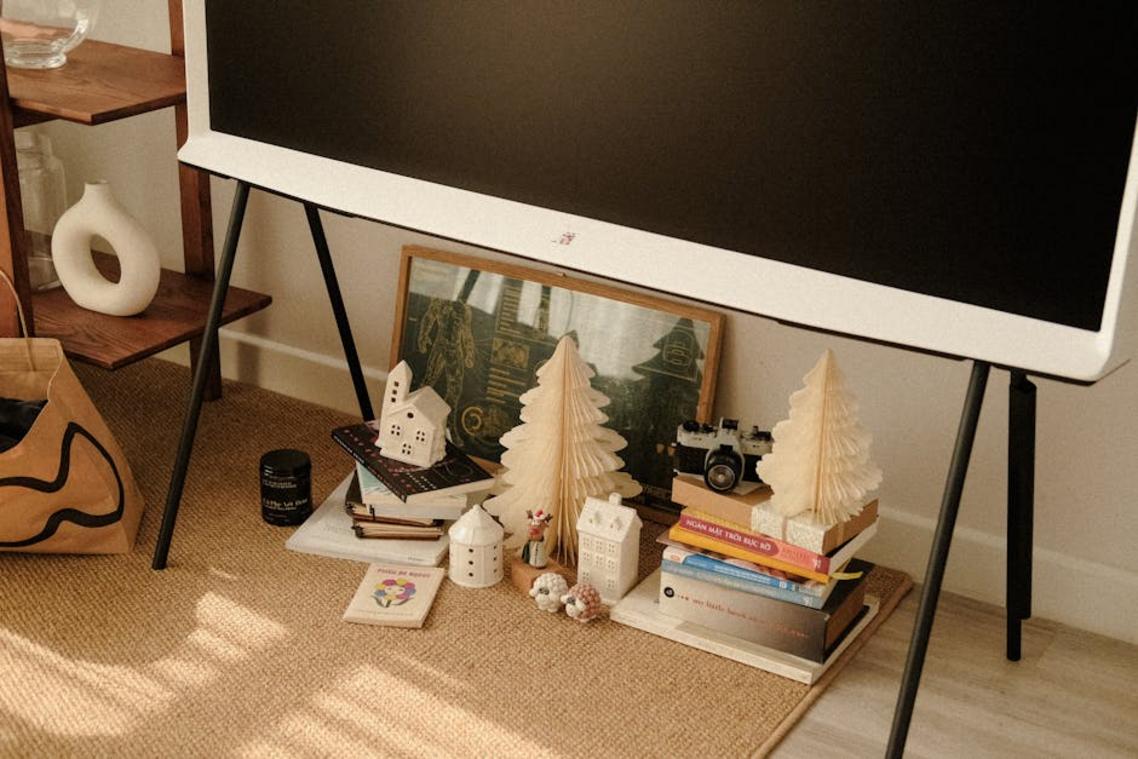
First, let’s decode the classic 60-30-10 rule—a proportional formula designers from New York lofts to Miami condos swear by. In simple terms, 60% is your dominant color (usually walls), 30% supports it (upholstery or area rugs), and 10% delivers punch (think throw pillows or art). It’s foolproof because it creates visual balance—meaning the room feels cohesive, not chaotic (like a paint store exploded).
However, color alone won’t make a space feel finished. Texture—the surface quality of a material—is what separates a showroom look from a real home. For example, pair smooth leather with chunky knits, or reclaimed wood with brushed brass. This contrast adds depth, a trick widely used in boutique hotels and high-end condos.
Meanwhile, lighting acts as the mood director. Ambient lighting (overhead fixtures) sets the base glow. Task lighting (desk lamps, under-cabinet strips) improves function. Accent lighting (wall sconces, spotlights) highlights features. Layer them, and the room transforms from practical to polished.
For practical application, try these palettes: Calm & Serene—soft gray, linen white, pale blue with sheer fabrics. Bold & Dramatic—charcoal, emerald, gold with velvet and glass. Warm & Inviting—terracotta, cream, walnut with woven textures. These interior styling ideas instantly elevate any space.
Small Changes, Big Impact: Clever Ideas for Every Space
Have you ever walked into a room and wondered why it feels bigger than it actually is? Often, it’s the mirror effect. Mirrors reflect light and create the illusion of depth, meaning your eye perceives more space than physically exists. Pair that with vertical elements—tall bookshelves or floor-to-ceiling curtains—and suddenly your ceilings feel higher. Sound familiar?
The Art of the Vignette
Grouping objects into a vignette (a small, styled arrangement) turns clutter into a focal point.
| Surface | Try This |
|---|---|
| Coffee Table | Stack books + candle + small plant |
| Console | Lamp + tray + framed photo |
Could your shelf use editing instead of adding?
Rethink What You Own
Before buying new, ask: can paint, new hardware, or fresh cushion covers transform it? (Spoiler: usually yes.) These small shifts anchor great interior styling ideas.
Bring Life In
No plants? Why not? Greenery adds movement, color, and energy—instantly completing a room.
From Inspiration to Implementation
You came here looking for more than random ideas—you wanted a practical way to turn inspiration into something real. Now you have a toolkit that helps you choose ideas that truly fit you and your home. That stuck, second-guessing feeling? It can be replaced with a clear, creative process grounded in smart design decisions and meaningful interior styling ideas.
By starting with your personal story and layering in timeless principles, you can create a space that feels both beautiful and deeply authentic.
Ready to move forward? Choose one room and apply one tip—like the Closet Trick or the 60-30-10 Rule—and start planning your transformation today.
 Richards Lambusteder has opinions about interior styling ideas. Informed ones, backed by real experience — but opinions nonetheless, and they doesn't try to disguise them as neutral observation. They thinks a lot of what gets written about Interior Styling Ideas, Practical Home Makeover Tips, Decorad Space Optimization Techniques is either too cautious to be useful or too confident to be credible, and they's work tends to sit deliberately in the space between those two failure modes.
Reading Richards's pieces, you get the sense of someone who has thought about this stuff seriously and arrived at actual conclusions — not just collected a range of perspectives and declined to pick one. That can be uncomfortable when they lands on something you disagree with. It's also why the writing is worth engaging with. Richards isn't interested in telling people what they want to hear. They is interested in telling them what they actually thinks, with enough reasoning behind it that you can push back if you want to. That kind of intellectual honesty is rarer than it should be.
What Richards is best at is the moment when a familiar topic reveals something unexpected — when the conventional wisdom turns out to be slightly off, or when a small shift in framing changes everything. They finds those moments consistently, which is why they's work tends to generate real discussion rather than just passive agreement.
Richards Lambusteder has opinions about interior styling ideas. Informed ones, backed by real experience — but opinions nonetheless, and they doesn't try to disguise them as neutral observation. They thinks a lot of what gets written about Interior Styling Ideas, Practical Home Makeover Tips, Decorad Space Optimization Techniques is either too cautious to be useful or too confident to be credible, and they's work tends to sit deliberately in the space between those two failure modes.
Reading Richards's pieces, you get the sense of someone who has thought about this stuff seriously and arrived at actual conclusions — not just collected a range of perspectives and declined to pick one. That can be uncomfortable when they lands on something you disagree with. It's also why the writing is worth engaging with. Richards isn't interested in telling people what they want to hear. They is interested in telling them what they actually thinks, with enough reasoning behind it that you can push back if you want to. That kind of intellectual honesty is rarer than it should be.
What Richards is best at is the moment when a familiar topic reveals something unexpected — when the conventional wisdom turns out to be slightly off, or when a small shift in framing changes everything. They finds those moments consistently, which is why they's work tends to generate real discussion rather than just passive agreement.