
If you’re looking to transform your home into a space that feels beautiful, functional, and uniquely yours, this guide is designed to give you exactly that. From essential design elements and smart space planning to styling techniques that instantly elevate any room, we break down what truly makes a difference in everyday living.
Beyond surface-level décor trends, we explore the psychology of home spaces—how layout, lighting, color, and texture influence mood, productivity, and comfort. Understanding these principles helps you make intentional choices, whether you’re refreshing a single room or planning a full makeover.
This article draws on insights from experienced interior designers, space planners, and home living specialists, combining practical expertise with real-world application. You’ll find actionable tips, clear explanations, and strategic ideas that help you avoid costly mistakes and maximize your space.
By the end, you’ll have a confident roadmap to create a home that not only looks stunning—but truly supports the way you live.
Does your home feel like a sanctuary—or another source of stress? I once worked with a client who dreaded walking into her cluttered living room; within minutes, her shoulders tightened. Many of us underestimate how our surroundings quietly fuel anxiety and mental fatigue. Through years of hands-on interior styling and space optimization, I’ve seen how small shifts create big emotional relief. This article shares simple, actionable ways to harness the psychology of home spaces so your rooms restore you. With thoughtful lighting, decluttering rituals, and calming layouts, you can finally exhale at home. Start with one drawer today. Right now.
The Psychology of Space: How Your Environment Shapes Your Mind
Environmental psychology is the study of how physical spaces influence human behavior, mood, and mental performance. In simple terms, it explores why a bright, airy room can make you feel hopeful, while a cramped, cluttered space can leave you oddly irritable (even before your morning coffee). I’ve come to believe our homes act like silent partners in our mental health.
Take the clutter-cortisol connection. Cortisol is the body’s primary stress hormone, released when we perceive pressure or threat. Research from UCLA’s Center on Everyday Lives of Families found that higher household clutter correlates with elevated cortisol levels, particularly in women (Saxbe & Repetti, 2010). Visual clutter increases cognitive load—the amount of mental effort used to process information—making it harder to focus.
On the flip side, biophilic design—an approach that integrates natural elements into built environments—has measurable benefits. Studies show natural light and indoor plants can reduce stress and improve mood (Bratman et al., 2015). Wood tones, greenery, even a small herb garden can subtly calm the nervous system.
- Organized spaces promote a sense of control and reduce decision fatigue.
In my view, understanding the psychology of home spaces isn’t indulgent—it’s practical. Order supports focus, beauty invites calm, and intention shapes experience.
I used to wake up groggy in my old apartment, even after eight hours of sleep. The curtains were thick, the walls dark, and morning felt optional. Then I learned the science: natural light boosts serotonin, a neurotransmitter that stabilizes mood, and regulates our circadian rhythms—our internal 24-hour sleep-wake clock (National Institutes of Health). No wonder I felt off.
So I made a few simple changes. First, I swapped heavy drapes for sheer panels. Instantly, daylight filtered in instead of being blocked. Next, I placed a large mirror opposite the window. It bounced sunlight deeper into the room, making the space feel twice as bright (and twice as big).
Finally, I painted the walls a soft off-white. Light, neutral colors reflect illumination rather than absorb it, subtly shifting the psychology of home spaces.
Skeptics say lighting tweaks are cosmetic. But when your room greets you like a sunny morning scene from a rom-com, does it really feel superficial?
The Calming Power of Color and Texture
Color does more than decorate a room; it shapes how you feel the moment you step inside. Soft blues and muted greens—often linked to lower stress levels and improved focus (Küller et al., 2009)—can make a space feel like a slow exhale. Earthy neutrals, meanwhile, ground a room, much like the steady hush of a quiet forest trail. That said, some argue trends should dictate palettes. Yet trends fade, and comfort lasts. Personal preference always wins (you’re the one living there, after all).
Equally important is texture. A plush rug under bare feet, a woven basket with a faint grassy scent, smooth wood cool to the touch—these layers create depth you can almost hear in the soft hush of fabric against fabric. This tactile richness ties directly to the psychology of home spaces.
To create cohesion, choose two or three core colors and repeat them subtly. Then layer contrasting textures for balance. For deeper insight, explore how interior design influences mood and productivity.
From Chaos to Calm: A Practical Guide to Decluttering
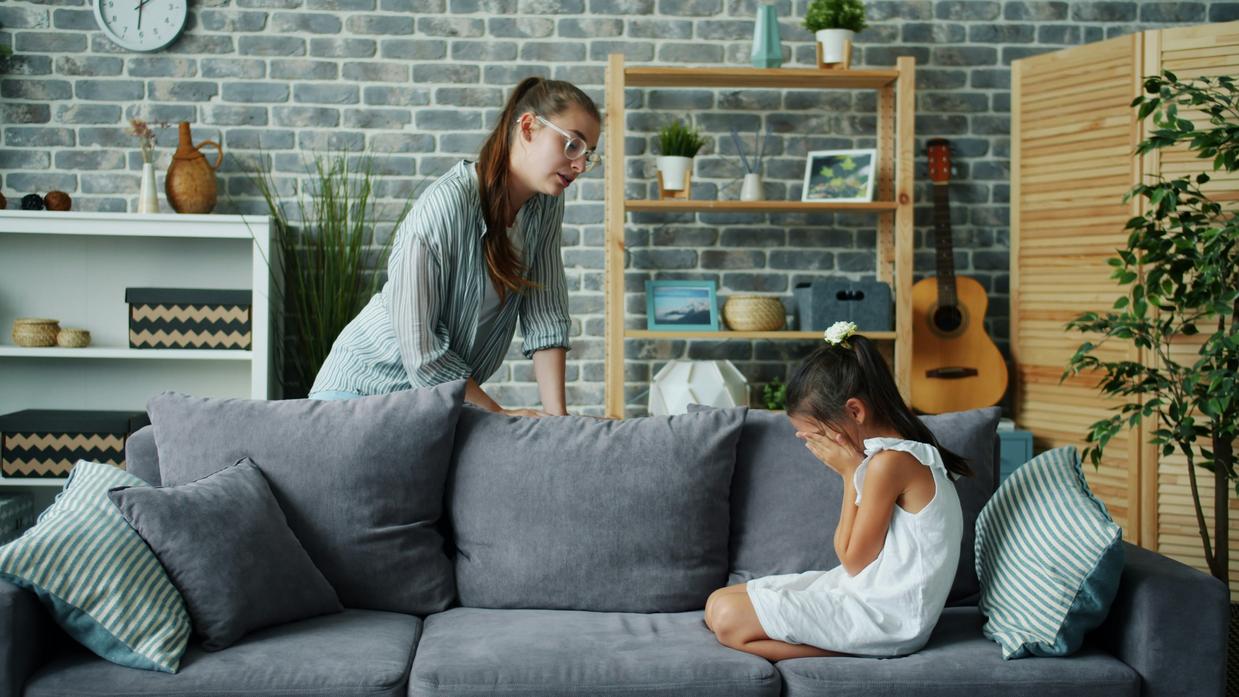
Let’s be honest—decluttering can feel overwhelming. When every drawer looks like a junk drawer, it’s tempting to give up before you start. I believe the biggest mistake people make is thinking they have to tackle everything at once. Instead, start small. Try a 15-Minute Tidy: set a timer and focus on one shelf, one drawer, or even one corner. You’ll be surprised how much lighter the room feels after such a contained win.
Next, commit to the “a place for everything” rule. In my experience, clutter returns when items don’t have a home. Use vertical storage like wall shelves, choose multi-functional furniture such as ottomans with hidden compartments, and opt for clear containers so you can see what you own. Pro tip: label first, then fill the space.
Finally, remember this: your environment shapes your mood. The psychology of home spaces shows that tidy rooms reduce stress and improve focus (yes, even if you think you’re “used to the mess”). In my opinion, a calm room isn’t about perfection; it’s about control. And that sense of control quietly changes everything. So start small today, and let momentum build naturally over time. You deserve a space that supports you. Every day.
Carving Out Your Personal Sanctuary
“I just need a corner that’s mine,” she said. Creating small, designated zones at home is about intention. In the psychology of home spaces, clear purpose cues the brain to SHIFT. One client asked, “Can a chair really change my mood?” Yes.
• A cozy reading nook with warm lighting
• Floor cushions for quiet meditation
• A tech-free corner for real conversation
These areas act as behavioral signals, telling your mind, “Work stays there.” Over time, repetition builds calm association. Think of it like Pavlov’s bell—but softer. PRO TIP: keep each zone clutter-free.
Home isn’t just shelter; it’s the backdrop to your daily rituals, from early-morning coffee to late-night scrolling. In cities where square footage is tight and storage is smarter than spacious, every corner pulls emotional weight. When rooms feel cluttered or dim, they quietly tax your focus and mood. That’s the psychology of home spaces at work.
The good news? Small shifts create momentum:
- Clear one crowded surface
- Open the curtains for natural light
- Swap a harsh bulb for warm lighting
So start there. Choose one task today, and let that single win reset your space—and your mind. Right now. Today.
Create a Home That Truly Works for You
You came here looking for practical ways to elevate your home—and now you have the design principles, space‑saving strategies, and styling insights to make it happen. From smart layout adjustments to thoughtful décor choices, you’re equipped to transform your space into something both functional and inspiring.
But here’s the truth: an unoptimized home creates daily frustration—cluttered rooms, wasted space, and design choices that just don’t feel right. When you understand the psychology of home spaces, you stop decorating randomly and start designing with purpose. That’s when your home begins to support your lifestyle instead of working against it.
Now it’s time to take action. Choose one room, apply one improvement, and build momentum from there. If you’re ready for expert-backed ideas, proven space optimization techniques, and trusted design guidance, explore more of our top-rated home living resources today and start creating a space that finally feels like you.
 There is a specific skill involved in explaining something clearly — one that is completely separate from actually knowing the subject. Christophers Millerater has both. They has spent years working with home living highlights in a hands-on capacity, and an equal amount of time figuring out how to translate that experience into writing that people with different backgrounds can actually absorb and use.
Christophers tends to approach complex subjects — Home Living Highlights, Practical Home Makeover Tips, Interior Styling Ideas being good examples — by starting with what the reader already knows, then building outward from there rather than dropping them in the deep end. It sounds like a small thing. In practice it makes a significant difference in whether someone finishes the article or abandons it halfway through. They is also good at knowing when to stop — a surprisingly underrated skill. Some writers bury useful information under so many caveats and qualifications that the point disappears. Christophers knows where the point is and gets there without too many detours.
The practical effect of all this is that people who read Christophers's work tend to come away actually capable of doing something with it. Not just vaguely informed — actually capable. For a writer working in home living highlights, that is probably the best possible outcome, and it's the standard Christophers holds they's own work to.
There is a specific skill involved in explaining something clearly — one that is completely separate from actually knowing the subject. Christophers Millerater has both. They has spent years working with home living highlights in a hands-on capacity, and an equal amount of time figuring out how to translate that experience into writing that people with different backgrounds can actually absorb and use.
Christophers tends to approach complex subjects — Home Living Highlights, Practical Home Makeover Tips, Interior Styling Ideas being good examples — by starting with what the reader already knows, then building outward from there rather than dropping them in the deep end. It sounds like a small thing. In practice it makes a significant difference in whether someone finishes the article or abandons it halfway through. They is also good at knowing when to stop — a surprisingly underrated skill. Some writers bury useful information under so many caveats and qualifications that the point disappears. Christophers knows where the point is and gets there without too many detours.
The practical effect of all this is that people who read Christophers's work tend to come away actually capable of doing something with it. Not just vaguely informed — actually capable. For a writer working in home living highlights, that is probably the best possible outcome, and it's the standard Christophers holds they's own work to.