If you’ve ever wondered how different eras shaped the way our homes look and feel today, this guide to the history of interior design styles will give you the clarity you’re searching for. From ornate classical influences to clean modern minimalism, each design movement reflects cultural shifts, technological advances, and evolving lifestyles. Understanding these origins helps you make more intentional choices—whether you’re refreshing a single room or planning a full makeover.
In this article, we break down the key periods, defining characteristics, and lasting impact of major interior styles so you can confidently identify what resonates with your taste. Our insights draw from established design principles, historical references, and proven styling practices used by experienced decorators and space planners. By the end, you’ll not only recognize the roots of today’s most popular aesthetics but also know how to thoughtfully incorporate timeless elements into your own space.
The Dawn of Modernity: Art Deco and Bauhaus
The early 20th century marked a dramatic pivot in the history of interior design styles, fueled by post‑WWI optimism and the hum of the machine age. Designers were done with excessive ornament. They wanted modern life reflected in modern spaces (and honestly, who could blame them?).
Art Deco (1920s–1930s) embraced glamour unapologetically. Think bold geometric patterns, strict symmetry, lacquered woods, polished metals, and mirrored finishes. It celebrated industry while dripping in luxury—like Gatsby’s penthouse rendered in chrome. Skyscrapers such as the Chrysler Building embodied this spirit, showcasing streamlined forms and metallic sheen (Britannica). I’ve always felt Art Deco proves that modern design doesn’t have to be cold; it can shimmer.
In contrast, Bauhaus (1919–1933) insisted that form follows function, a phrase popularized by architect Louis Sullivan (The Art Story). Ornament was stripped away. Designers favored steel, glass, primary colors, and mass production techniques.
- Clean lines
- Practical layouts
- Honest materials
Some argue Bauhaus feels too stark compared to Art Deco’s warmth. I disagree. There’s quiet beauty in a chair that does exactly what it promises—nothing more, nothing less. Isn’t that clarity refreshing?
I still remember walking into my grandparents’ ranch-style home and sinking into a low-slung chair that felt impossibly cool and comfortable at the same time. That was my first brush with Mid-Century Modern—a design movement born from post-World War II suburban growth, new manufacturing techniques like bent plywood and molded plastics, and a cultural shift toward relaxed family living.
At its core, Mid-Century Modern is defined by clean lines (sleek, unadorned silhouettes), organic curves, expansive windows, and minimal ornamentation. In other words, the furniture didn’t shout; it whispered. Large glass panes blurred the line between indoors and out, reflecting a broader trend in the history of interior design styles in the section once exactly as it is given.
However, some critics argue the style can feel cold or overly minimal. I used to think so too—until I noticed the warmth of walnut sideboards and the way earthy tones balance bold pops of mustard or teal. Materials mix natural wood with man-made vinyl and plastic, a nod to postwar innovation.
Functionality came first. Pieces like the Eames Lounge Chair prove that ergonomic (body-supporting) design can also be beautiful and accessible to middle-class families. After all, shouldn’t great design be lived in, not just admired?
Rebellion and Expression: Postmodernism and 80s Maximalism
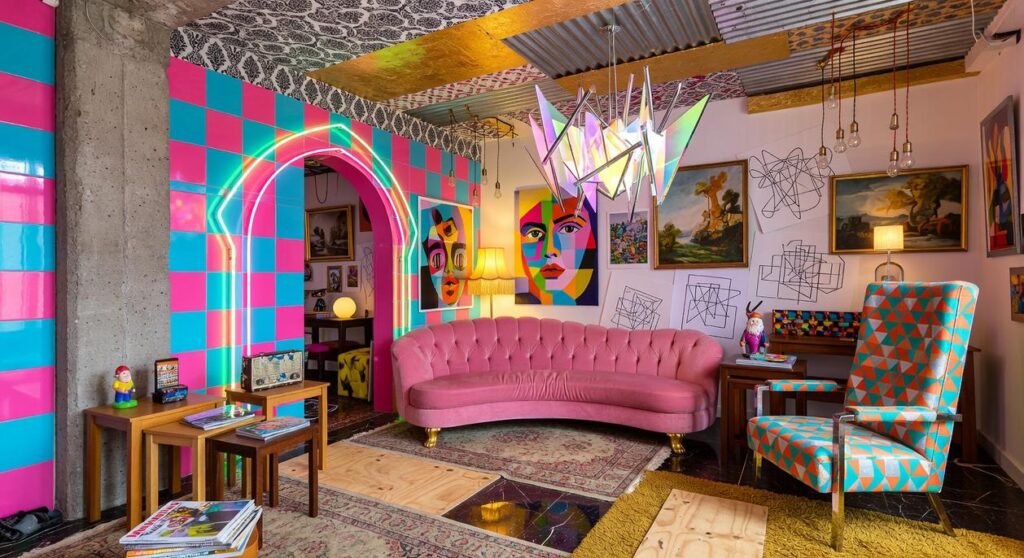
By the 1970s, designers were tired of Modernism’s strict minimalism. Clean lines and “form follows function” felt limiting. So, naturally, Postmodernism pushed back. Its philosophy was essentially “anything goes”—a deliberate embrace of irony, bold color, and playful contradiction. Think clashing palettes, sculptural furniture, and classical columns reimagined in neon plastic (yes, really). If Modernism was a perfectly tailored suit, Postmodernism was a vintage jacket covered in pins.
Most famously, the Memphis Group embodied this rebellion. Founded in 1981, Memphis Design favored laminate surfaces, terrazzo patterns, squiggly lines, and asymmetrical shapes. Pieces looked more like art installations than furniture. While critics argued it was impractical, supporters saw freedom—rooms that felt expressive rather than restrained.
Then came 80s maximalism. “More is more” wasn’t just a motto; it was a lifestyle. Layered patterns, mixed textures, and curated collections told personal stories. If you study the history of interior design styles, you’ll notice this era celebrated individuality above all.
So what should you do today? First, don’t fear bold accents—start with a statement chair or graphic wallpaper. Next, mix materials confidently. Finally, let your space reflect you. After all, what your home layout says about your lifestyle (https://decoradhouse.com.co/what-your-home-layout-says-about-your-lifestyle/) matters more than following rules.
The Digital Age’s Response: Minimalism and Biophilic Design
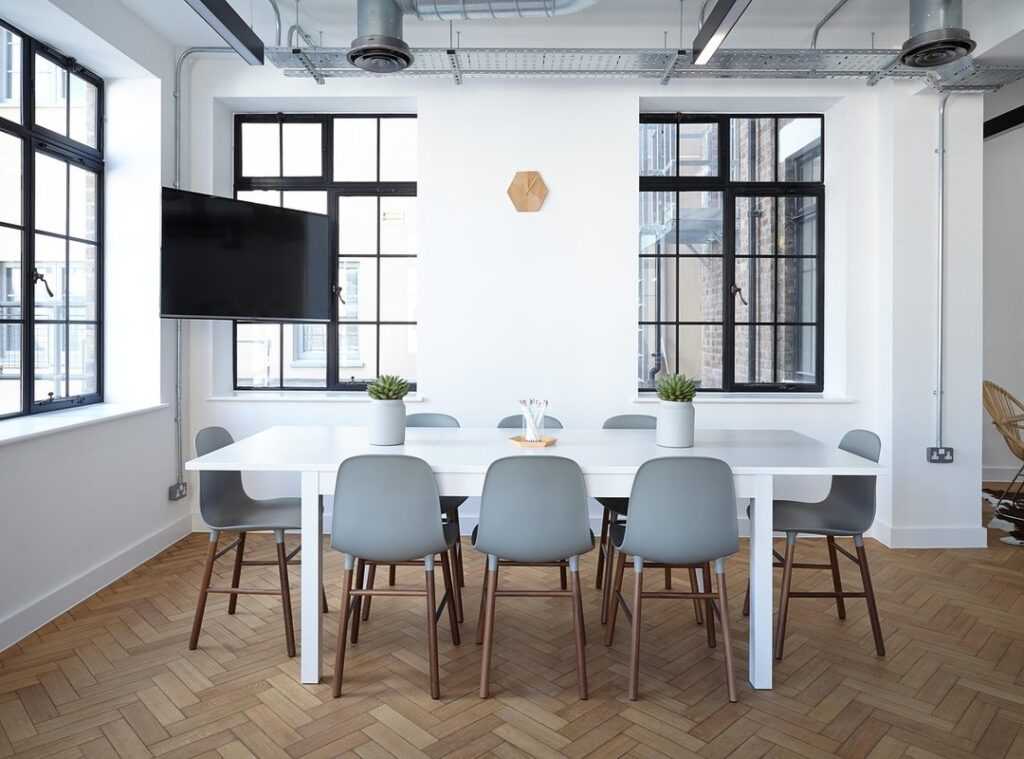
The late 20th century’s design excess—think glossy surfaces and maximalist statements—sparked a quiet rebellion. As screens multiplied and notifications never slept, many homeowners craved visual silence. Enter Minimalism (1990s–Present), guided by the mantra “less is more.” At its core, minimalism favors monochromatic palettes, clean lines, and only essential furnishings. The idea is simple: remove distraction to create calm (and maybe finally find your keys). While some critics argue minimal spaces feel cold or impersonal, I’m not entirely convinced that’s inevitable. When done thoughtfully, restraint can feel deeply personal.
Biophilic design builds on that calm by reconnecting interiors with nature. It incorporates wood, stone, abundant plant life, and generous natural light to enhance well-being. Studies suggest exposure to natural elements indoors can reduce stress and improve mood (Terrapin Bright Green, 2014), though researchers are still debating the long-term measurable impacts. Even so, the appeal is obvious—who doesn’t breathe easier near greenery?
Today’s homes also demand function. Space optimization blends beauty with practicality:
- Multi-functional furniture
- Smart storage solutions
- Flexible layouts
In the broader history of interior design styles, this era reflects a desire for clarity—spaces that work harder while feeling lighter.
You came here to better understand the history of interior design styles and how it influences the spaces you create today. Now you can see how past movements shape modern trends—and how those timeless principles can elevate your own home.
The real challenge isn’t finding inspiration. It’s knowing how to apply it in a way that feels cohesive, functional, and uniquely yours. Without clarity, rooms can feel mismatched, cluttered, or unfinished.
By recognizing the roots of each style and how they evolved, you’re better equipped to design with intention instead of guesswork. That knowledge helps you avoid costly mistakes and create spaces that feel balanced and personal.
Bring Timeless Style Into Your Home Today
If you’re feeling stuck trying to tie everything together, now’s the time to take action. Get expert-backed guidance, practical styling tips, and proven space-optimization strategies that simplify the process. Join thousands of homeowners transforming their spaces with confidence—explore our design resources now and start creating a home that truly reflects your vision.
 Trevella Veythanna is the kind of writer who genuinely cannot publish something without checking it twice. Maybe three times. They came to interior styling ideas through years of hands-on work rather than theory, which means the things they writes about — Interior Styling Ideas, Decorad Space Optimization Techniques, Curious Insights, among other areas — are things they has actually tested, questioned, and revised opinions on more than once.
That shows in the work. Trevella's pieces tend to go a level deeper than most. Not in a way that becomes unreadable, but in a way that makes you realize you'd been missing something important. They has a habit of finding the detail that everybody else glosses over and making it the center of the story — which sounds simple, but takes a rare combination of curiosity and patience to pull off consistently. The writing never feels rushed. It feels like someone who sat with the subject long enough to actually understand it.
Outside of specific topics, what Trevella cares about most is whether the reader walks away with something useful. Not impressed. Not entertained. Useful. That's a harder bar to clear than it sounds, and they clears it more often than not — which is why readers tend to remember Trevella's articles long after they've forgotten the headline.
Trevella Veythanna is the kind of writer who genuinely cannot publish something without checking it twice. Maybe three times. They came to interior styling ideas through years of hands-on work rather than theory, which means the things they writes about — Interior Styling Ideas, Decorad Space Optimization Techniques, Curious Insights, among other areas — are things they has actually tested, questioned, and revised opinions on more than once.
That shows in the work. Trevella's pieces tend to go a level deeper than most. Not in a way that becomes unreadable, but in a way that makes you realize you'd been missing something important. They has a habit of finding the detail that everybody else glosses over and making it the center of the story — which sounds simple, but takes a rare combination of curiosity and patience to pull off consistently. The writing never feels rushed. It feels like someone who sat with the subject long enough to actually understand it.
Outside of specific topics, what Trevella cares about most is whether the reader walks away with something useful. Not impressed. Not entertained. Useful. That's a harder bar to clear than it sounds, and they clears it more often than not — which is why readers tend to remember Trevella's articles long after they've forgotten the headline.