I know what it’s like to walk into your living room and feel nothing.
You want a change. Something fresh. But the thought of tearing everything apart and spending thousands? That stops you cold.
Here’s the truth: you don’t need a full renovation to love your home again.
I’ve helped people transform their spaces without breaking the bank or living in construction chaos for months. The secret isn’t doing more. It’s knowing where to focus.
This guide shows you exactly how to update your home in ways that actually matter. We’re talking about changes you’ll notice every single day, not tiny tweaks that disappear into the background.
At decoradhouse, we’ve spent years figuring out what works and what’s just a waste of money. We’ve tested these strategies in real homes with real budgets.
You’ll learn where to start (because that’s usually the hardest part). Which upgrades give you the biggest impact. And how to make choices that fit your style instead of just copying what you see online.
No overwhelming lists. No designer jargon. Just clear steps that help you create a space you’re actually excited to come home to.
Step 1: Create a Vision with a Clean Slate
Before you pin a single mood board image or pick out throw pillows, you need to clear the decks.
I mean really clear them.
Most people skip this part. They think they can just layer new stuff over what’s already there. But that’s like trying to paint a masterpiece on a dirty canvas.
Start by removing everything that doesn’t serve you. And I mean everything. The decorative bowl you got as a wedding gift but never liked. The stack of magazines you keep meaning to read. The random knickknacks that just collect dust.
This isn’t about being ruthless. It’s about being honest.
Once you’ve cleared the space, you’ll actually see what you’re working with. The bones of the room. The light. The flow.
Now comes the fun part.
Head over to Pinterest and start saving images that make you stop scrolling. Don’t overthink it. If a room makes you feel something, save it. You’ll start noticing patterns. Maybe you’re drawn to clean lines and neutral tones. Or maybe you keep saving spaces with warm wood and plants everywhere.
That’s your style talking.
At decoradhouse, we see people skip this step all the time. They buy a trendy chair here and a cute lamp there, and nothing feels connected.
Here’s a simple trick that’ll save you from that mess.
Use the 60-30-10 rule for color. Pick one main color for 60% of the room (usually walls and big furniture). Choose a secondary color for 30% (accent chairs, curtains). Then add a pop color for the last 10% (pillows, artwork).
This framework keeps things cohesive without making you feel boxed in.
Step 2: High-Impact, Low-Effort Updates
Now we get to the fun part.
Some designers will tell you that real transformation requires a complete overhaul. Rip everything out and start fresh. But that’s not realistic for most of us (and honestly, it’s not always necessary). While some designers might advocate for a complete overhaul to achieve true transformation, the approach taken by Decoradhouse demonstrates that subtle, thoughtful updates can often yield equally stunning results without the need for a total reset. While some designers might advocate for a complete overhaul to achieve true transformation, the innovative approach championed by Decoradhouse demonstrates that even small, thoughtful changes can lead to a stunning and personalized gaming space without the need for drastic renovations.
The truth is, you can change how a room feels without touching a single wall stud.
Transform with Paint
Paint is your best friend here. I’m talking about a $30 can of paint that makes people think you hired a professional.
You don’t need to paint every wall. Sometimes a single accent wall behind your bed changes everything. Or try the ceiling. People forget about the fifth wall, but painting it a soft color makes the whole room feel bigger.
Interior doors are another spot most people overlook. A fresh coat of paint on old hollow core doors can make them look intentional instead of builder-grade.
I’ve even painted old furniture that I was ready to toss. A tired dresser becomes a statement piece with the right color.
Use Textiles for Texture & Color
Here’s where you can really play without commitment.
Throw pillows and curtains are easy swaps that completely shift the mood. I change mine out seasonally because it keeps things fresh without spending much.
Area rugs define spaces in ways that surprise people. They anchor furniture and make rooms feel pulled together.
The real magic happens when you layer textures. Mix velvet pillows with linen curtains and a wool throw. That combination creates depth that makes a room feel expensive (even when it’s not).
Master Lighting for Ambiance
Most rooms have terrible lighting. Just overhead fixtures that flatten everything out.
You need three types. Ambient lighting gives you overall illumination. Task lighting helps you actually do things like read or work. Accent lighting highlights what you want people to notice.
The good news? You don’t need an electrician for most of this. Swap out old lampshades for something current. Add a floor lamp in that dark corner. Try smart bulbs that let you adjust the warmth and brightness from your phone.
These updates from upgrades decoradhouse don’t require special skills. Just a willingness to try something different than what you’ve always done.
Step 3: Rethink Your Layout for Better Flow and Function
You know that Friends episode where Monica rearranges the furniture and suddenly the apartment feels twice as big?
That’s not TV magic.
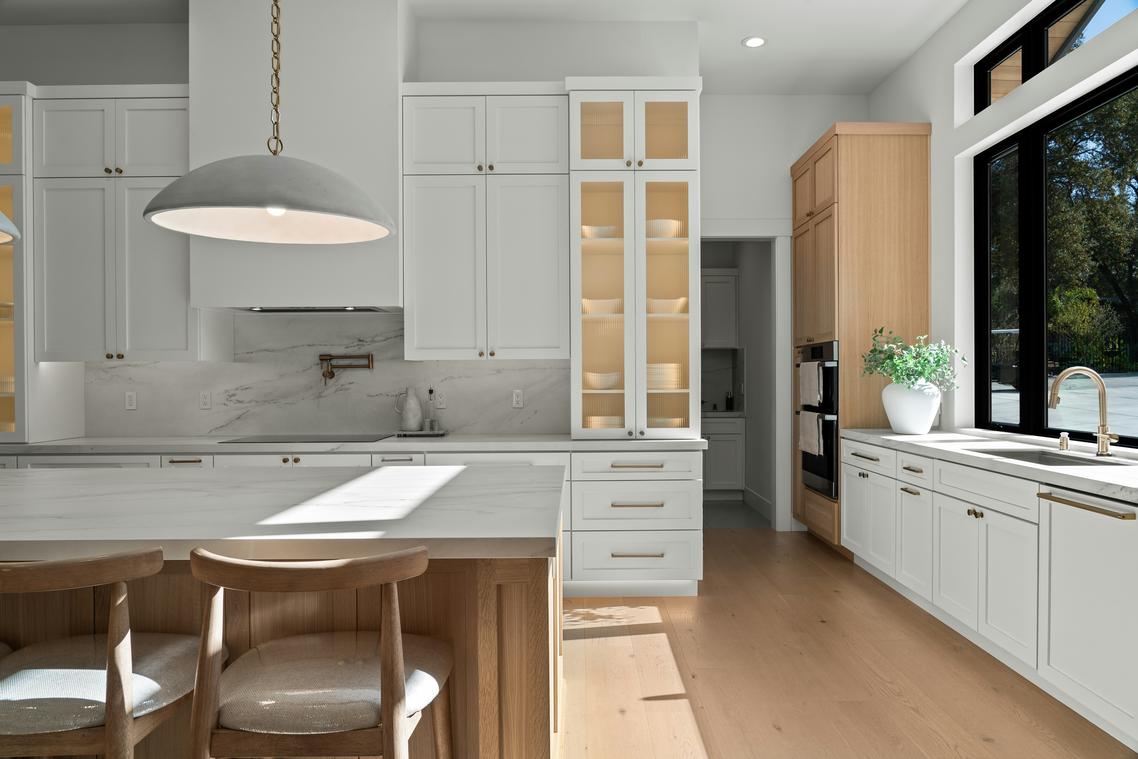
Most people push everything against the walls because it feels safe. Like you’re maximizing floor space or something. But walk into any room arranged that way and it feels off. Cold. Like a waiting room.
Here’s what actually works.
Pull your furniture away from the walls. I know it sounds backwards but floating your sofa even 12 inches creates conversation zones that feel natural. People can actually talk without shouting across a canyon of empty floor.
And if you’re worried about wasting space, don’t be. That open area behind your couch? Perfect spot for a console table or even just breathing room.
Now let’s talk rugs.
They’re not just decoration. A good area rug tells your furniture where to sit. It anchors everything and makes a space feel INTENTIONAL instead of random. (This matters even more if you’re working with an open floor plan where rooms bleed into each other.) Incorporating a well-chosen area rug can transform your space from chaotic to cohesive, and for those seeking further inspiration, the latest Renovation Tips and Tricks Decoradhouse offers invaluable insights to enhance your home’s aesthetic. Incorporating a thoughtfully selected area rug not only enhances the intentionality of your space but also aligns perfectly with the Renovation Tips and Tricks Decoradhouse philosophy, ensuring every element works harmoniously within your open floor plan.
Every room needs a focal point too. Maybe it’s a fireplace. Maybe it’s a big window with a view. Maybe it’s that piece of art you splurged on last year.
Figure out what draws your eye first when you walk in. Then arrange your furniture to face it or complement it. Not fight against it.
Traffic flow is the thing people forget until they’re constantly bumping into the coffee table. Leave at least 30 inches for walkways. You should be able to move through the room without doing that awkward sideways shuffle.
Want more ways to make your space work better? Check out these garden hacks decoradhouse tips that apply the same flow principles outdoors.
The goal isn’t perfection. It’s making your rooms feel like they make sense when you’re actually living in them.
Step 4: Accessorize Like a Pro: The Art of Finishing Touches
You know that feeling when you walk into a room and something just feels off?
The furniture’s there. The paint looks good. But it still feels empty or worse, cluttered.
I see this all the time. People either leave their surfaces bare or they pile on every decorative item they own. Neither works.
Here’s what does.
Don’t Clutter
Start with the Rule of Threes. It’s simple. Group items in odd numbers, especially threes, on your shelves and coffee tables.
Why? Research from the Journal of Consumer Research shows our brains process grouped items more easily when they’re arranged in odd numbers. We find it more visually appealing.
So instead of lining up five candles in a row, try three. Add a small plant and a book. Done.
The goal isn’t to fill every inch of space. It’s to display things that actually mean something to you.
Incorporate Natural Elements
Want to know the fastest way to make a room feel alive? Add something that actually is.
A 2015 study from the Journal of Physiological Anthropology found that houseplants reduce stress and improve air quality. But beyond the science, they just make spaces feel warmer.
I’m not talking about turning your living room into a greenhouse. A single fiddle leaf fig in the corner works. Fresh flowers on the dining table. A wooden bowl on the kitchen counter.
Natural materials like wood and stone bring texture that you can’t get from manufactured items. They ground a space. I tackle the specifics of this in Decor Tips Decoradhouse.
Use Mirrors and Art Strategically
Here’s something most people get wrong with mirrors.
They buy a small one and hang it randomly. Then they wonder why their room still feels cramped.
A large mirror placed across from a window can literally double your natural light. I’ve seen 10×10 rooms feel twice as big with this one change.
For art, the rule is straightforward. Hang the center of your piece at 57 inches from the floor. That’s average eye level for most people.
Museums use this standard for a reason. It works.
And if you’re planning bigger changes, check out these renovation tips and tricks decoradhouse for more ways to transform your space. For those looking to elevate their outdoor sanctuary, exploring the innovative ideas shared in “Garden Hacks Decoradhouse” can provide the inspiration needed to create a breathtaking transformation. For those looking to elevate their outdoor sanctuary, the innovative ideas shared in “Garden Hacks Decoradhouse” can provide the inspiration needed to create a stunning and personalized garden space that reflects your unique style and vision.
The finishing touches aren’t just decoration. They’re what make a house feel like yours.
Enjoy Your Reimagined Space
You now have everything you need to update your home without breaking the bank.
I know how overwhelming it feels when you want to refresh your space but think you need thousands of dollars or a designer on speed dial. You don’t.
The truth is simpler than that. A clear vision and some focused effort will get you there.
Start with what makes the biggest difference. Paint changes everything. New textiles add warmth. Rearranging your layout costs nothing but creates a whole new feel.
These aren’t just design tricks. They’re practical moves that work because they address what actually makes a space feel good to live in.
Here’s what I want you to do this weekend: Pick one room. Just one.
Clear out the clutter first. Then create your mood board with colors and styles that speak to you.
That’s your starting point. That’s how you begin the transformation.
Your home should feel like yours. Not like a magazine spread or someone else’s idea of perfect.
Ready to make it happen? Visit decoradhouse for more styling ideas and step-by-step guides that’ll keep you moving forward.
 Trevella Veythanna is the kind of writer who genuinely cannot publish something without checking it twice. Maybe three times. They came to interior styling ideas through years of hands-on work rather than theory, which means the things they writes about — Interior Styling Ideas, Decorad Space Optimization Techniques, Curious Insights, among other areas — are things they has actually tested, questioned, and revised opinions on more than once.
That shows in the work. Trevella's pieces tend to go a level deeper than most. Not in a way that becomes unreadable, but in a way that makes you realize you'd been missing something important. They has a habit of finding the detail that everybody else glosses over and making it the center of the story — which sounds simple, but takes a rare combination of curiosity and patience to pull off consistently. The writing never feels rushed. It feels like someone who sat with the subject long enough to actually understand it.
Outside of specific topics, what Trevella cares about most is whether the reader walks away with something useful. Not impressed. Not entertained. Useful. That's a harder bar to clear than it sounds, and they clears it more often than not — which is why readers tend to remember Trevella's articles long after they've forgotten the headline.
Trevella Veythanna is the kind of writer who genuinely cannot publish something without checking it twice. Maybe three times. They came to interior styling ideas through years of hands-on work rather than theory, which means the things they writes about — Interior Styling Ideas, Decorad Space Optimization Techniques, Curious Insights, among other areas — are things they has actually tested, questioned, and revised opinions on more than once.
That shows in the work. Trevella's pieces tend to go a level deeper than most. Not in a way that becomes unreadable, but in a way that makes you realize you'd been missing something important. They has a habit of finding the detail that everybody else glosses over and making it the center of the story — which sounds simple, but takes a rare combination of curiosity and patience to pull off consistently. The writing never feels rushed. It feels like someone who sat with the subject long enough to actually understand it.
Outside of specific topics, what Trevella cares about most is whether the reader walks away with something useful. Not impressed. Not entertained. Useful. That's a harder bar to clear than it sounds, and they clears it more often than not — which is why readers tend to remember Trevella's articles long after they've forgotten the headline.