Does your room feel like it’s working against you instead of supporting your daily life? Poor layouts, cluttered corners, and mismatched décor can make even the most beautiful home feel cramped or uninspiring. This guide delivers practical, strategic room transformation ideas that go beyond surface-level fixes. Using proven interior design principles and space optimization techniques, we’ll show you how to rethink layout, improve flow, and elevate visual harmony. Whether you’re refreshing a single area or starting from scratch, you’ll gain clear, actionable steps to create a space that feels functional, balanced, and uniquely suited to your lifestyle.
The Foundation: Mastering Layout for Ultimate Functionality
A well-designed room doesn’t just look good—it feels right the moment you step inside. The air flows, footsteps move naturally, and nothing blocks your path. That sense of ease begins with intention.
-
Define Your Zones
Before moving a single chair, identify how the room should function. A zone is a clearly defined area dedicated to one activity—like a conversation corner with two armchairs angled close enough to hear a soft laugh, or a reading nook where a lamp casts a warm golden glow over textured pages. Without zones, a space feels noisy and cluttered (even when it’s tidy). Clear zones create visual calm and practical order. -
Map Your Traffic Flow
Traffic flow refers to the natural pathways people take through a space. Walk the room. Notice where your feet instinctively turn. Pathways should feel smooth and unobstructed, not like navigating an obstacle course. If furniture forces awkward detours, the room will subtly frustrate you every day. -
Identify the Anchor Piece
Every room needs an anchor—the main visual and functional centerpiece, such as a sofa or bed. Place it first. Let it command attention and establish balance. Everything else should support it, like supporting actors around a lead role. -
Respect Scale and Proportion
Scale refers to size relative to the room; proportion is how pieces relate to each other. Oversized furniture can suffocate a space, while undersized pieces feel adrift. Measure carefully. (Pro tip: outline dimensions with painter’s tape before buying.)
Great layouts are the quiet heroes behind successful room transformation ideas.
I once walked into a living room that should have worked—new sofa, fresh paint, expensive art—but it felt oddly chaotic. That experience taught me that aesthetics aren’t about buying more; they’re about balance. Implementing the 60-30-10 Color Rule instantly changed everything. In simple terms, this rule divides your palette into percentages: 60% dominant, 30% secondary, 10% accent. When I repainted my walls a soft warm gray (the 60%), added navy chairs (30%), and finished with mustard cushions (10%), the room finally exhaled. Skeptics say strict formulas kill creativity. I disagree. Constraints often spark better decisions (just ask any chef working with five ingredients).
Lighting was my next lesson. A single overhead fixture creates flat illumination—meaning light that lacks depth and shadow. Layer Ambient lighting for overall glow, Task lighting for reading nooks, and Accent lighting to spotlight art. When I added a brass floor lamp and small wall sconces, the space felt cinematic (think cozy café, not interrogation room).
Texture is the quiet hero of harmony. Designers call it tactile contrast—mixing surfaces so a room doesn’t feel sterile. A woven rug, velvet pillows, warm wood tables, and a smooth metal lamp create depth without clutter.
Finally, establish a focal point: a visual anchor that guides the eye. In my apartment, I arranged seating toward a large abstract painting, and everything clicked. Some argue focal points feel staged. Yet without one, rooms drift aimlessly. If you’re testing new room transformation ideas, start small and study what draws attention first. For practical guidance, explore budget friendly home makeover tips that deliver big impact.
Smart Solutions for Space Optimization
Ever feel like your home is shrinking? You tidy up, donate clothes, swear you won’t buy another throw pillow—and somehow it still feels cramped. It’s frustrating (especially when your living room starts doubling as a storage unit). The good news: small shifts can make a big difference.
Think Vertically
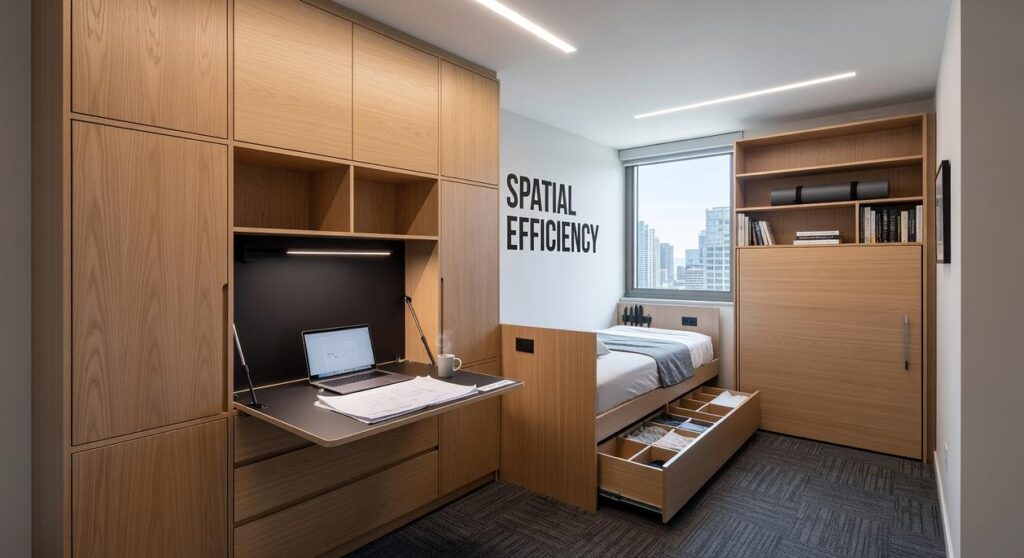
When floor space is limited, use your walls. Tall, narrow bookcases and floating shelves free up precious square footage while drawing the eye upward. Designers call this “vertical layering”—using height to create visual flow. It’s one of those room transformation ideas that feels obvious once you try it.
Embrace Multi-Functional Furniture
If a piece only serves one purpose, it better be spectacular. Ottomans with hidden storage, lift-top coffee tables, or daybeds for guests help you reclaim space without sacrificing comfort. (Yes, your sofa can multitask harder than you do.)
Use Mirrors Strategically
A well-placed mirror opposite a window reflects natural light and creates the illusion of depth—what designers call “visual expansion.” Suddenly, your boxy room feels breathable.
- Choose leggy furniture to reveal more floor
- Mount storage instead of stacking it
- Keep pathways clear to reduce visual clutter
Small tweaks. Big relief. Less chaos, more calm.
Adding Personality: The Finishing Touches
Curate
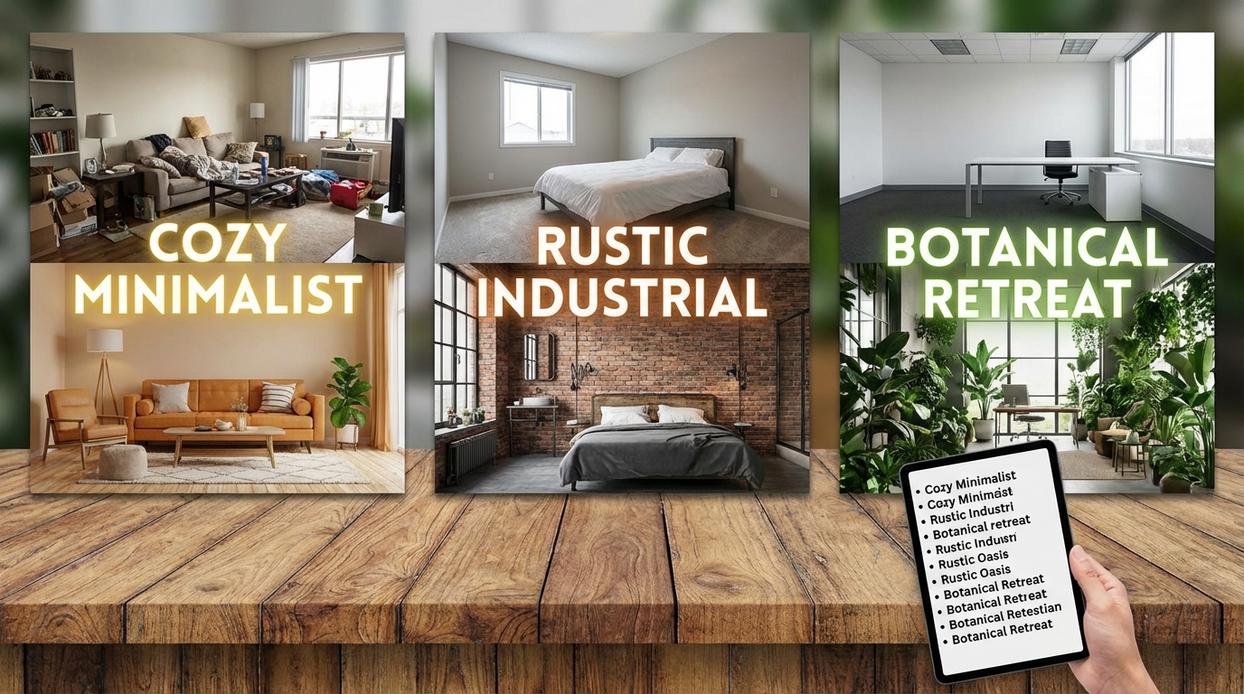
room transformation ideas
Don’t Clutter: Displaying personal items makes a house a home, but too much can look messy. Select favorite objects, photos, and books and arrange them in thoughtful groupings on shelves or tables.
Incorporate Greenery: Plants and flowers instantly bring life, color, and texture into a room. As a result, space feels calmer and more inviting (yes, even that dim corner).
The Impact of Textiles: Finalize the room’s feel with the textiles. A plush rug can define a seating area and add comfort, while curtains can change way light filters into space.
Your Transformed Room Awaits
You came here looking for clear, actionable room transformation ideas—and now you have a practical roadmap to redesign any space with confidence. By starting with function, refining the layout, layering in color and lighting, and finishing with personal details, you’re no longer guessing what will work. You’re building with purpose.
If you’ve been feeling stuck, overwhelmed, or unsure where to begin, remember: transformation happens one decision at a time. Choose one zone. Adjust one layout. Test one accent color.
Ready to finally love your space? Join thousands of homeowners who trust our proven design guidance—start your first change today and see how quickly your room begins to transform.