
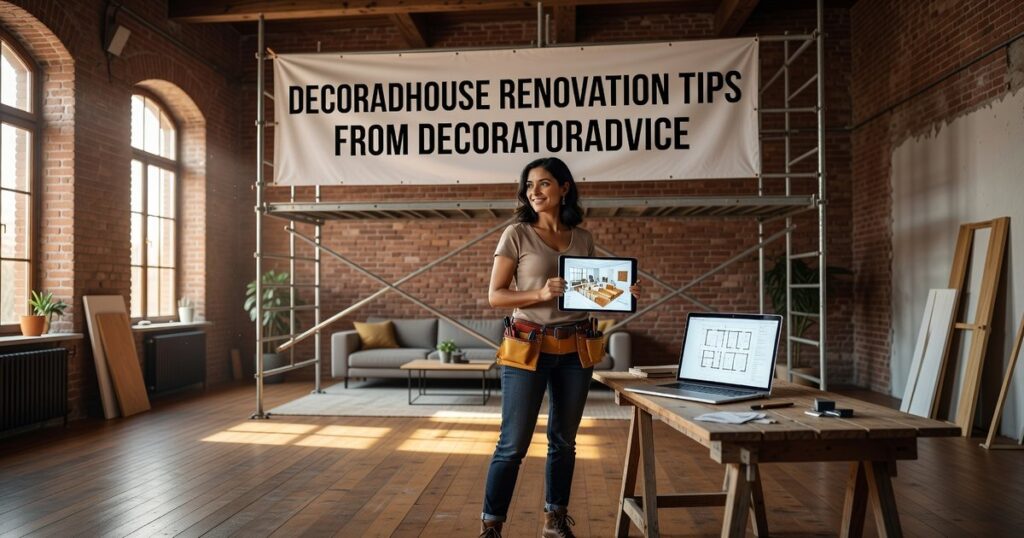
I’ve seen too many people start renovations with Pinterest boards and end up with buyer’s remorse.
You’re excited about transforming your space but worried you’ll make expensive mistakes. Or worse, you’ll finish and realize it doesn’t feel like you imagined.
Here’s the truth: most renovation disasters happen because people skip the planning phase and jump straight to shopping.
I’m going to walk you through the same framework I use when I approach any home project. Not just what to buy or which colors to pick. The actual strategy that comes before any of that.
This guide covers how to plan your renovation so you don’t blow your budget halfway through. You’ll learn the core design principles that make spaces work (the ones professionals rely on). And I’ll show you how to decorate with intention instead of just filling rooms with stuff.
These decoradhouse renovation tips from decoratoradvice come from years of working in real homes with real budgets.
You’ll walk away knowing how to create a space that’s both beautiful and functional. One that actually feels like home.
No fluff. Just the process that works.
The Foundation: Planning Your Renovation Like a Professional
Think of your renovation like planning a road trip.
You wouldn’t just throw your stuff in the car and start driving without knowing where you’re going or how much gas you’ll need, right?
Yet that’s exactly what most people do with their first big renovation. They see a beautiful kitchen on Pinterest and think they can wing it.
I learned this the hard way.
Define Your Vision and Scope
Before you touch a single wall, you need a clear picture of what you want.
I’m talking about a real mood board. Not just three random photos you saved on your phone. Gather images that show the exact vibe you’re after for each room.
Ask yourself what problem you’re solving. Do you need better flow between your kitchen and dining room? More natural light in your bedroom? Or are you just tired of looking at that outdated tile?
(This step saves you from what I call renovation regret, which hits about halfway through when you realize you’re not sure what you wanted in the first place.)
When your vision is clear, scope creep can’t sneak in. You’ll know exactly what stays and what goes.
Budgeting Beyond the Obvious
Here’s where most people mess up.
They add up materials and labor, then call it done. But renovations are like icebergs. What you see upfront is only part of the cost.
I always tell people to add 15 to 20 percent on top of everything for surprises. Because trust me, you’ll find them. Old wiring that needs updating. Water damage behind that wall. Subfloor issues under your tile.
Think of your budget like packing for that road trip. You bring extra snacks and a spare tire because you know something unexpected will happen.
Now here’s the smart part. Not every dollar needs to go toward high-end everything.
Spend real money on things that take abuse or that you can’t easily change later. Quality flooring, solid fixtures, good plumbing. These are your foundation pieces.
But paint? Decor? Those smaller touches? You can save there without anyone noticing.
The Phased Approach
Breaking your renovation into phases is like eating a meal one bite at a time instead of trying to shove the whole plate in your mouth.
Start with structural work. Then move to electrical and plumbing. Save the pretty stuff for last.
This isn’t just about staying sane (though that helps). It’s about timing. Your electrician can’t wire outlets if your walls aren’t up yet. You can’t paint if your plumber is still cutting holes.
When you map out these phases, scheduling contractors becomes way easier. You know exactly when to order materials. You can check decoradhouse renovation tips to see how other homeowners tackled similar projects.
Plus, if you need to pause for budget reasons, you’ve got natural stopping points.
Each phase has a beginning and an end. That makes the whole thing feel less overwhelming.
The Decorator’s Blueprint: Core Principles for a Cohesive Design
Most people think decorating is about buying pretty things and hoping they work together.
It’s not.
I learned this the hard way after watching clients spend thousands on furniture that looked amazing in the showroom but felt completely wrong at home. After witnessing clients pour their budgets into stunning pieces from Decoradhouse that ultimately clashed with their personal style, I realized the importance of ensuring that furniture not only dazzles in the showroom but truly resonates within the home. …importance of curating a space that truly reflects one’s individuality rather than succumbing to the allure of high-end brands like Decoradhouse.
The difference between a room that feels thrown together and one that feels intentional? It comes down to three core principles.
Let me walk you through them.
Mastering a Harmonious Color Palette
You’ve probably heard about color theory. Maybe you’ve even scrolled through Pinterest boards trying to find the perfect palette.
But here’s what most decoratoradvice gets wrong. They tell you to pick colors you love without explaining how to use them.
The 60-30-10 rule changes everything. Your dominant color covers 60% of the room (usually walls). Your secondary color takes up 30% (think upholstery and curtains). And your accent color? That’s just 10% (pillows, artwork, small decor).
Some designers say you should commit to paint colors right away. Just pick what feels right and go for it.
I disagree.
Paint looks completely different depending on the light. That warm beige you loved at noon might turn gray and cold by evening. Test your swatches in the actual room at different times of day. Morning light versus afternoon light can make or break your color choice.
The Power of Layered Lighting
Walk into most homes and you’ll see one ceiling fixture doing all the work.
That’s why so many rooms feel flat.
Good lighting isn’t about brightness. It’s about layers. You need three types working together.
Ambient lighting gives you overall illumination. This is your ceiling fixtures and recessed lights. Task lighting focuses on specific activities like reading or cooking. And accent lighting highlights the features you want people to notice.
Think of it this way. Ambient versus task lighting isn’t an either/or choice. You need both. A reading nook with only overhead lighting will strain your eyes. A kitchen with only task lighting will feel like a cave.
Creating Flow with Texture and Scale
This is where I see people struggle most.
You can nail the colors and get the lighting right. But if your furniture scale is off, the whole room feels awkward.
Scale is the relationship between your furniture size and your room size. A massive sectional in a small living room will swallow the space. Tiny furniture in a large room makes everything feel disconnected.
Here’s what works. Repeat textures or materials throughout your home. If you have linen curtains in the living room, bring that same texture into the bedroom with throw pillows. It creates visual flow without being matchy-matchy.
And pay attention to proportion. Your coffee table should be about two-thirds the length of your sofa. Your nightstands should align roughly with your mattress height (give or take a few inches).
These aren’t rigid rules. They’re starting points that help you make better decisions.
Because at the end of the day, a cohesive design isn’t about following trends. It’s about understanding the principles that make any space feel intentional and complete.
Space Optimization: Pro Secrets for Layout and Styling
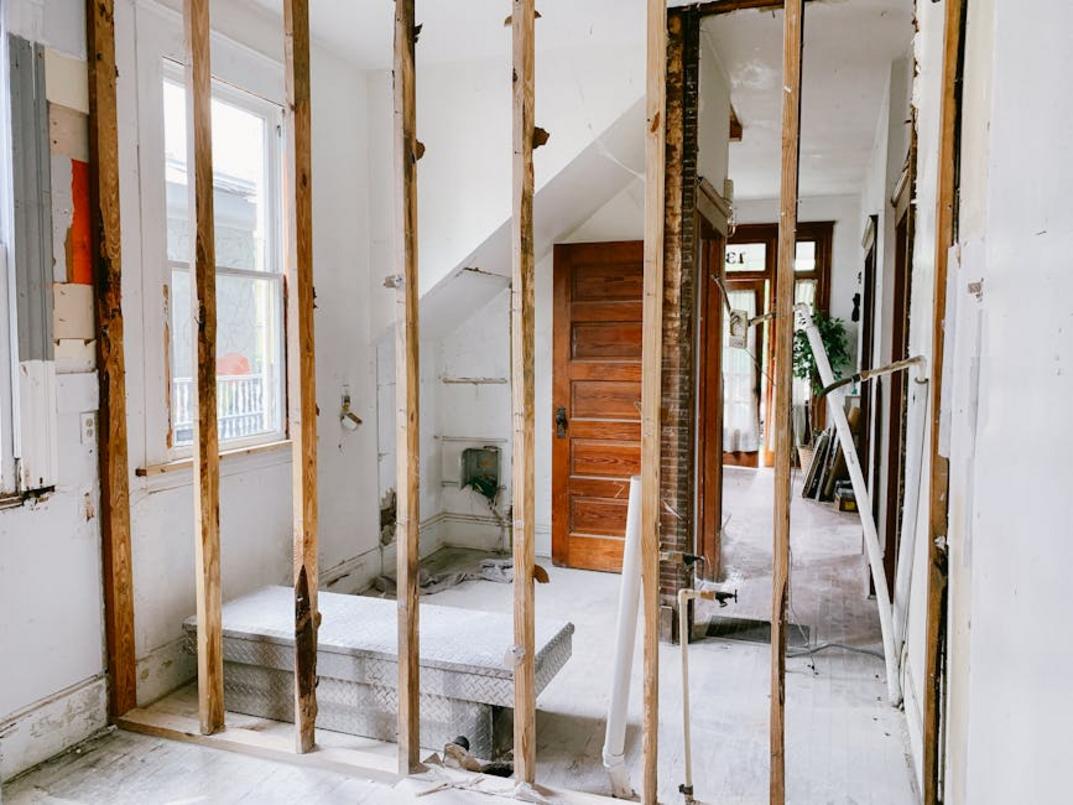
Your living room feels cramped even though you have plenty of square footage.
Or maybe your furniture just sits there looking awkward and you can’t figure out why.
I see this all the time. People think they need more space when really they just need better layout choices.
Some designers will tell you to push everything against the walls to maximize floor space. They say it makes rooms look bigger and more open.
Here’s where I disagree.
Pulling furniture away from the walls actually creates a more intimate setting. It makes conversation areas feel intentional instead of like you’re shouting across a gymnasium. (Yes, even in smaller rooms.) By incorporating principles from Garden Hacks Decoradhouse, you can easily transform your gaming space into a cozy retreat where pulling furniture away from the walls fosters a more inviting atmosphere for multiplayer sessions. By embracing the design principles from Garden Hacks Decoradhouse, you can create a cozy and inviting gaming space that fosters connection and enhances the overall experience.
Start with traffic flow. Walk through your space and notice where you naturally move. Your furniture should work with those pathways, not block them. I explore the practical side of this in Decoradhouse Upgrade Tips by Decoratoradvice.
When you arrange seating, think about how people will actually use it. Can they talk without craning their necks? Can someone walk behind the sofa without doing a sideways shuffle?
These details matter more than you’d think.
Now let’s talk about what’s already in your space. Professional decorating isn’t about buying more stuff. It’s about editing what you have.
I use the Rule of Three when grouping objects. Three candles on a mantel. Three frames on a shelf. It creates visual interest without looking cluttered.
But sometimes the best thing you can do is remove items entirely.
Try this. Take half the decor off your surfaces right now. See how it feels. You might be surprised at how much better the room breathes.
For quick wins that look professional, swap out your cabinet hardware. Those builder-grade knobs are probably bringing down your whole kitchen. New pulls take twenty minutes to install and completely change the vibe.
A large-scale rug anchors a room better than anything else. It defines your space and makes furniture groupings feel cohesive. Go bigger than you think you need.
And if you’re working with limited natural light? Hang a mirror across from your window. It bounces light around and makes the room feel twice as bright.
You can find more practical approaches in my renovation tips decoradhouse guide.
These aren’t complicated tricks. They’re just the things that actually work when you want your space to feel pulled together without hiring someone to do it for you.
Common Pitfalls: 5 Decorating Mistakes to Avoid
I see it all the time.
Someone spends thousands on a room makeover and it still feels off. Not because they picked the wrong colors or bought cheap furniture. But because they made one of these five mistakes.
Let me walk you through what actually trips people up.
Ignoring the Room’s Architecture
Your Victorian home has crown molding and high ceilings for a reason. Fighting that with ultra-modern minimalism? It’s going to feel wrong.
I learned this the hard way in my first apartment. I tried to force a sleek contemporary look into a space with original 1920s details. It never clicked.
Work with what you have. If your home has character, lean into it.
The ‘Showroom’ Effect
Here’s what furniture stores won’t tell you. Those perfectly matched bedroom sets? They make your space look like a hotel room (and not in a good way).
Real homes have personality. Mix a vintage dresser with a modern bed frame. Pair that hand-me-down chair with a new sofa.
| Showroom Approach | Better Approach |
|---|---|
| ——————- | —————– |
| All matching wood tones | Mix wood finishes |
| Complete furniture sets | Pieces from different sources |
| Everything brand new | Blend old and new |
The decoradhouse renovation tips from decoratoradvice I’ve collected over the years all point to the same thing. Curated beats coordinated every time.
Hanging Artwork Incorrectly This connects directly to what I discuss in Decoration Tips Decoradhouse From Decoratoradvice.
You know that gallery wall you pinned on Pinterest? If the art is hung too high, it floats away from your space.
The center of your artwork should sit around 57 to 60 inches from the floor. That’s eye level for most people. It grounds the piece and makes it feel like it belongs.
Forgetting Functionality
A gorgeous velvet sofa means nothing if you have kids and a dog. That white shag rug? Beautiful until someone spills coffee on it.
I always ask myself one question before buying anything. Will this actually work for how I live?
Form matters. But if you can’t use the space comfortably, you’ve just created a pretty problem.
Neglecting Window Treatments
Windows without curtains feel unfinished. Like you just moved in and haven’t unpacked yet.
The right window treatments do three things. They soften hard edges, add color or texture, and let you control natural light. Even simple linen panels can completely change how a room feels. To elevate your gaming space and enhance its ambiance, consider the insightful Renovation Tips Decoradhouse, which emphasize the transformative power of window treatments like simple linen panels that soften edges, introduce color, and masterfully control natural light. To elevate your gaming space and enhance its ambiance, consider the insightful Renovation Tips Decoradhouse, which emphasize the transformative power of thoughtful design choices like window treatments.
Speaking of outdoor spaces, if you want to extend your design thinking beyond your walls, check out these garden hacks decoradhouse tips.
Most of these mistakes come down to one thing. Thinking about how a room looks instead of how it lives. Fix that and you’re already ahead.
Executing Your Vision with Expert Precision
You now have the professional decorator’s roadmap to successfully navigate your home renovation and design project.
I know the fear of making expensive mistakes can stop you before you even start. One wrong paint color or furniture choice feels permanent (and costly).
That’s exactly why I created this guide.
When you focus on foundational planning first, you eliminate guesswork. Core design principles give you confidence. Smart styling choices make everything come together.
You’re not decorating blind anymore.
Here’s what I want you to do: Pick one room. Create a vision board for that space. Then apply just one principle from this guide this week.
That’s it.
You don’t need to overhaul your entire home tomorrow. Start with a single room and watch how these decoradhouse renovation tips from decoratoradvice transform your space.
Small steps lead to big changes. Your home’s transformation begins the moment you take action on what you’ve learned here.