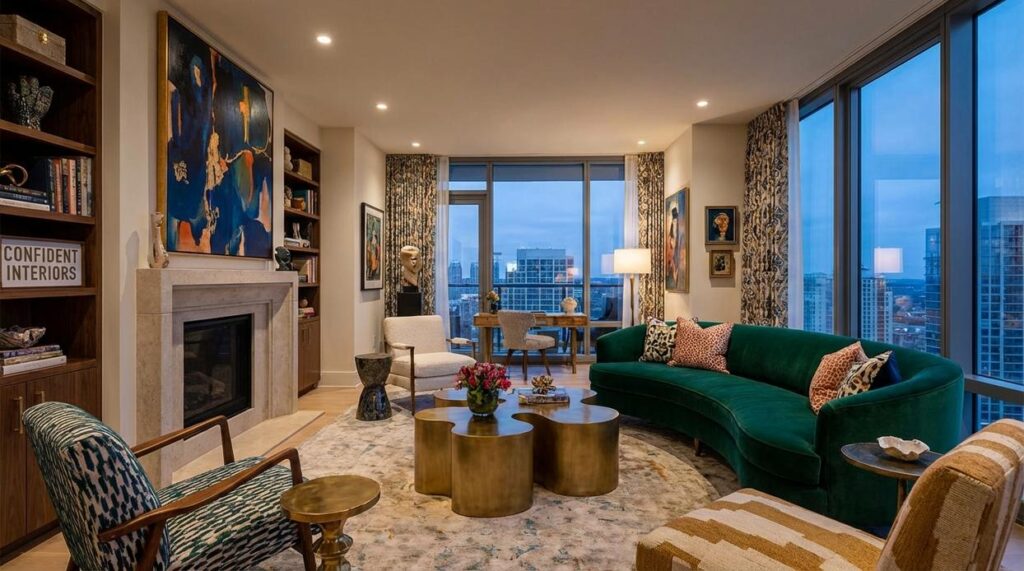

If you’re looking to refresh your home, refine your style, or finally make your space feel complete, understanding the essential interior design elements is where it all begins. From layout and lighting to color balance and texture, the right design foundations can transform any room—no matter its size or budget.
This article is crafted to help you cut through overwhelming trends and focus on what truly works. Whether you want smarter space optimization techniques, practical makeover tips, or elevated interior styling ideas, you’ll find clear, actionable guidance tailored to real homes and real lifestyles.
Our insights are grounded in proven design principles, current industry standards, and practical applications used by experienced decorators and space planners. Instead of vague inspiration, you’ll get focused advice that explains not just what to change—but why it works.
By the end, you’ll have a confident understanding of the core elements that bring harmony, function, and personality into your living space.
Crafting Your Perfect Space: The Core Building Blocks
Designing a home can feel overwhelming at first. However, once you understand the essential interior design elements—space, light, color, texture, and form—the process becomes far more manageable.
Start with space, which simply means how room is used and arranged. Next, consider light, both natural and artificial, because it shapes mood and function. Then, layer in color to influence emotion (blues calm, yellows energize). Add texture through fabrics or finishes for depth. Finally, balance form, or the shapes of furniture and décor.
Focus on one element at a time, and gradually, your space will feel intentional and cohesive.
Understanding Space: The Canvas of Your Home
Space is more than square footage—it’s the invisible framework that shapes how you live. In design, positive space refers to areas filled with objects like sofas, tables, or décor. Negative space is the empty breathing room around them. When balanced well, your home feels calm and intentional (not like a furniture showroom on clearance). The benefit? Instant visual harmony and less mental clutter.
Furniture placement also controls flow—the natural pathways people take moving through a room. Poor flow creates bottlenecks and awkward shuffling. Thoughtful arrangement, on the other hand, makes daily life smoother and more comfortable.
Want a room to feel taller? Use vertical space. Tall bookshelves and floor-to-ceiling curtains draw the eye upward, making ceilings appear higher.
In open layouts, rugs define zones—like anchoring a seating or dining area—bringing structure through essential interior design elements while keeping the space cohesive.
Harnessing Light: Setting Mood and Function
Lighting isn’t just about brightness—it’s about balance. Designers often talk about the three layers of lighting, meaning the combination of light sources that make a room both functional and inviting (think less interrogation room, more cozy café).
First, ambient lighting provides overall illumination. Ceiling fixtures or recessed lights create a comfortable base layer so you can move around safely. However, ambient light alone can feel flat.
That’s where task lighting comes in. This is focused light for specific activities—like under-cabinet lights for chopping vegetables or a reading lamp beside your favorite chair. Without it, eye strain becomes a real issue (the American Optometric Association notes poor lighting can contribute to fatigue and headaches).
Finally, accent lighting adds drama. Use directional spotlights to highlight artwork or architectural features. It draws the eye and adds depth—one of the essential design elements that transforms a space from ordinary to intentional.
Next, consider natural light. Mirrors placed opposite windows bounce daylight deeper into a room. Sheer window treatments filter light without blocking it entirely.
So what’s next? Once your layers are set, think about dimmers and bulb temperature. Warm or cool glow can completely shift the mood—sometimes with just a flick of a switch.
Mastering Color: The Soul of Your Interior
Color isn’t just decoration—it’s direction. Think of it as the soundtrack to your space (yes, your living room absolutely has main-character energy). The simplest way to get it right? The 60-30-10 Rule.
- 60% Main Color: Your dominant shade, usually on walls.
- 30% Secondary Color: Furniture, curtains, or even a statement chair.
- 10% Accent Color: Pillows, art, and accessories that pop.
Some designers argue rules stifle creativity. Fair. But beginners who skip structure often end up with rooms that feel more “paint store explosion” than Pinterest board. The 60-30-10 formula creates balance first—then you can bend it.
Color psychology matters, too. Blue promotes calm (there’s a reason spas love it). Yellow sparks energy—hello, sunshine kitchens. Green signals tranquility and renewal. These emotional cues are foundational to essential interior design elements and shape how a room feels, not just how it looks.
For cohesion, pull your 30% and 10% shades from a central piece—like a rug or bold artwork. (Pro tip: If it works in the art, it works in the room.) It’s the difference between random and intentional—like coordinating an outfit instead of grabbing clothes in the dark.
For deeper insight, explore understanding color theory in interior design for harmonious spaces.
Texture and Pattern: Adding Depth and Personality

First, let’s talk about texture. In interior design, texture refers to how a surface feels—or looks like it feels. Without it, a room can fall flat (like a stage set before the actors arrive). Texture adds tactile and visual interest, which is why it’s considered one of the essential interior design elements.
To layer texture effectively, start with a base piece—say, a smooth leather sofa. Next, add a chunky knit throw for softness. Then introduce velvet cushions for a subtle sheen. Finally, ground the space with a woven rug. Each layer contrasts the others, creating depth that feels curated rather than chaotic.
When mixing patterns, follow one simple rule: vary the scale. Pair a large floral print with a medium stripe and a small geometric pattern—ideally within the same color family.
If you’re hesitant, start small. Try patterned pillows or a decorative vase before committing to wallpaper. For more home living highlights, explore home living highlights. Pro tip: take a photo of your room to spot imbalance instantly.
Form and Furniture: The Functional Foundation
Scale and proportion shape how a room feels. Choose oversized sofas for a tight space, and it feels cramped; pick petite pieces for a grand living room, and everything floats awkwardly. When furniture fits, you gain flow, comfort, and visual confidence.
Next, consider lines. Straight and vertical lines communicate order and stability; curved and horizontal lines soften edges and invite relaxation. By mixing them intentionally, you control mood without repainting a wall.
Finally, balance beauty with purpose. Every piece should serve a role while supporting essential interior design elements—form, function, and flow effortlessly.
Your Design Journey Starts Here
Now that you understand space, light, color, texture, and form, the mystery fades. These essential interior design elements are the building blocks of every memorable room. Instead of feeling paralyzed by endless choices (hello, Pinterest overload), you can approach design step by step.
In other words, creating a beautiful home isn’t magic—it’s method. Focus on one principle at a time. Layer the lighting. Introduce richer textures. Rework the layout. Small shifts create noticeable change.
Looking ahead, design trends will likely favor even more personalized, layered spaces—less showroom, more story (think cozy sci‑fi set meets sanctuary). So choose one room, one principle, and start today.
Bring Your Vision to Life with Confidence
You came here looking for clarity on how to elevate your space with the right essential interior design elements, smarter styling choices, and practical ways to make every room feel intentional. Now you have the direction to do exactly that.
A home that feels cluttered, outdated, or uninspired can quietly drain your energy every day. The right layout, textures, lighting, and accents don’t just improve appearance — they transform how you live in your space.
Now it’s time to take action. Start by identifying one room that feels off and apply the principles you’ve learned — refine the layout, layer lighting, and focus on balance and functionality. Small, strategic updates can create dramatic results.
If you’re ready to stop second-guessing your design choices and finally create a space that feels cohesive and elevated, explore more expert-backed styling guides and makeover tips today. Join thousands of readers who trust our proven advice to turn ordinary rooms into beautifully designed spaces — and start transforming your home now.