
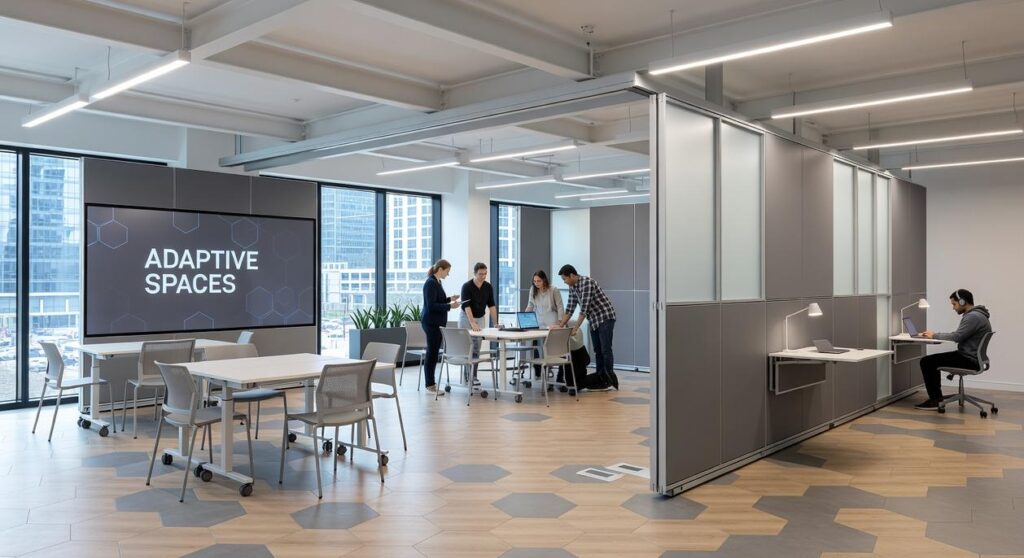
Homeowners and design enthusiasts alike are asking the same question: where is residential design headed next? With lifestyles evolving, technology advancing, and sustainability becoming a priority, understanding future residential design trends is essential for anyone planning to build, renovate, or refresh their space.
This article explores the most influential shifts shaping modern homes—from flexible layouts and smart integrations to nature-inspired materials and space-maximizing solutions. Whether you’re updating a single room or reimagining your entire home, you’ll find practical insights that align with today’s needs and tomorrow’s expectations.
Our guidance is grounded in extensive research across industry reports, emerging architectural concepts, and real-world design applications. By analyzing what’s gaining traction among designers, builders, and homeowners, we deliver reliable, forward-thinking insights you can confidently apply to your own living space.
Home isn’t just where you sleep anymore. It’s an office, a retreat, a studio, sometimes all before noon (yes, even the kitchen table counts). That shift creates one big challenge: designing a space that looks beautiful, works efficiently, and feels unmistakably yours.
When we talk about intentional design, we mean choosing layouts, furniture, and materials that serve a clear purpose. “Multi-functional” simply means one item does two jobs, like a sofa bed or storage ottoman.
By focusing on future residential design trends rooted in flexibility and durability—not passing fads—you can create a home that evolves with you. Style meets substance.
Biophilic Living: The Enduring Power of Nature Indoors*
Biophilic living is more than a cluster of houseplants on a windowsill. It’s the holistic integration of natural elements into your home to support well-being—mental, physical, even emotional. The idea stems from biophilia, our innate human tendency to seek connection with nature (a concept popularized by biologist E.O. Wilson). Studies show that exposure to natural materials and light can reduce stress and improve mood (Journal of Environmental Psychology).
This shift is visible in raw, unfinished wood that feels warm beneath your fingertips, cool stone accents like travertine and marble that ground a room, and terracotta that carries a faint, earthy scent after rain. Linen curtains breathe softly in the breeze, while jute and rattan add tactile texture underhand.
Color palettes echo the outdoors:
- Sage green and deep blues for calm
- Warm browns and soft ochre for subtle warmth
Critics argue it’s just another aesthetic trend. But unlike fleeting fads, nature-inspired design aligns with future residential design trends focused on wellness and sustainability.
For a practical refresh, maximize natural light with sheer treatments, place mirrors to reflect leafy views, and create a layered “green corner” with varied plant heights and textures (think glossy leaves beside feathery fronds). Pro tip: cluster plants in odd numbers for a more organic, effortless feel.
The Smart & Sustainable Sanctuary
The Smart & Sustainable Sanctuary is the convergence of eco-consciousness and technology to create homes that are both efficient and responsible.
Eco-consciousness means designing with environmental impact in mind, while smart technology refers to connected systems that automate and optimize daily living.
Some argue that blending the two drives up costs and overcomplicates spaces.
That can be true when gadgets replace design.
But when tech supports sustainability, it earns its place (like a well-cast supporting actor).
Consider sustainable materials:
- Reclaimed wood reduces demand for new lumber and keeps timber from landfills (EPA notes construction waste accounts for 600 million tons annually in the U.S.).
- Recycled glass countertops divert waste and require less raw extraction.
- Bamboo flooring grows, making it a renewable alternative to hardwood.
- Low-VOC paints limit volatile organic compounds, improving indoor air quality (CDC links VOC exposure to headaches and irritation).
Smart integration should enhance life, not complicate it.
Circadian rhythm lighting—systems that adjust color temperature to mirror daylight—supports sleep cycles.
Energy-monitoring systems reveal consumption patterns, and water-saving fixtures reduce waste without sacrifice.
Pro tip: prioritize automation over novelty.
future residential design trends
why we feel attached to certain spaces the psychology of home
Fluid Spaces: The Rise of Multi-Functional Design
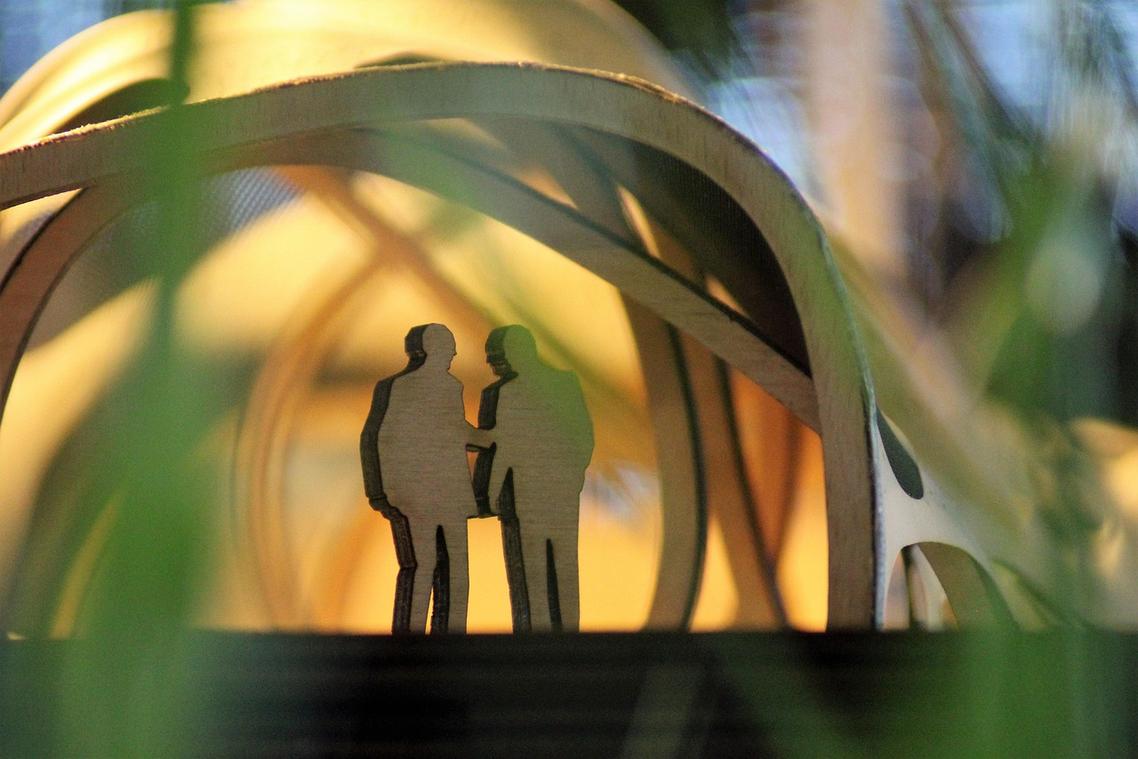
Homes aren’t just homes anymore. They’re offices, gyms, classrooms, and sometimes the only quiet corner for a Zoom call. In my view, single-use rooms feel outdated—like a formal dining room waiting for a holiday that rarely comes. Flexibility is the new luxury.
That’s why modular furniture matters so much:
- Reconfigurable sofas that shift from movie-night sprawl to client-ready seating
- Nesting tables that appear when guests arrive and disappear when they don’t
- Expandable dining tables that flex with your guest list
Zoning is the secret weapon. An area rug can define a “living room” inside a larger great room. Open-backed shelving creates separation without killing light. Even strategic paint—say, a muted tone behind a desk—signals purpose. (It’s basically set design for real life.)
I’m especially sold on hidden-utility pieces: Murphy beds that reclaim square footage, lift-top coffee tables that become desks, and kitchen islands with integrated seating. They make small homes feel like shape-shifters—very Transformers, but chic.
Some argue dedicated rooms boost focus. Maybe. But adaptable layouts reflect how we actually live and point directly toward future residential design trends in the section once exactly as it is given today evolving.
Curated Comfort: The Return of Personal & Playful Interiors
For years, stark minimalism ruled our feeds—white walls, sharp edges, barely-there decor. It looked pristine, sure. But if I’m honest, it also felt a little like living in a high-end waiting room. Now, thankfully, we’re seeing a shift toward homes that feel warm, layered, and unmistakably personal.
First, curved silhouettes are softening our spaces. Arched doorways, rounded sofas, and circular coffee tables gently break up rigid lines, making rooms feel more welcoming. There’s something inherently human about a curve (we’re not robots, after all). These shapes echo future residential design trends while still feeling timeless.
At the same time, texture is doing the heavy lifting. Layering materials creates depth and sensory richness—think:
- Nubby bouclé accent chairs
- Velvet throw pillows
- Ribbed wood cabinetry
- Plush, sink-in rugs
Texture, in design terms, refers to how a surface looks or feels. When layered well, it transforms a flat room into an experience.
Most importantly, individuality is back. Vintage finds, artisanal ceramics, and personal collections tell a story no catalog ever could. Some argue minimalism is more calming. I disagree. A home should reflect your life—not erase it. (A little joyful clutter never hurt anyone.)
Designing your personal haven means embracing future residential design trends while staying rooted in what feels authentic. In places where indoor-outdoor living is prized—think coastal California patios or compact Brooklyn balconies—connection to nature isn’t a luxury, it’s strategy. Sustainability (energy-efficient HVAC, low-VOC paints) and flexible layouts with modular furniture reflect how we actually live. Some argue trends fade fast. True. But principles endure. The goal isn’t perfection; it’s alignment. Start small with a reading nook or reclaimed-wood shelf. Choose what resonates, layer thoughtfully, and let your home evolve—an ongoing act of comfort and self-discovery. Make it beautifully, unmistakably yours always.
Bringing Your Vision to Life with Confidence
You set out to better understand how design choices, smart layouts, and future residential design trends can transform the way you live. Now you have a clearer roadmap for creating a space that feels intentional, functional, and beautifully aligned with your lifestyle.
A home that feels cluttered, outdated, or inefficient can quietly drain your energy every day. The right design approach solves that—maximizing space, elevating style, and turning everyday living into something inspiring.
The next step is simple: start implementing one strategic change at a time—whether it’s optimizing your layout, refreshing key design elements, or planning a focused makeover. If you’re ready for expert-backed ideas trusted by thousands of modern homeowners, explore our top-rated home styling and space optimization guides today and transform your home into a space that truly works for you.