
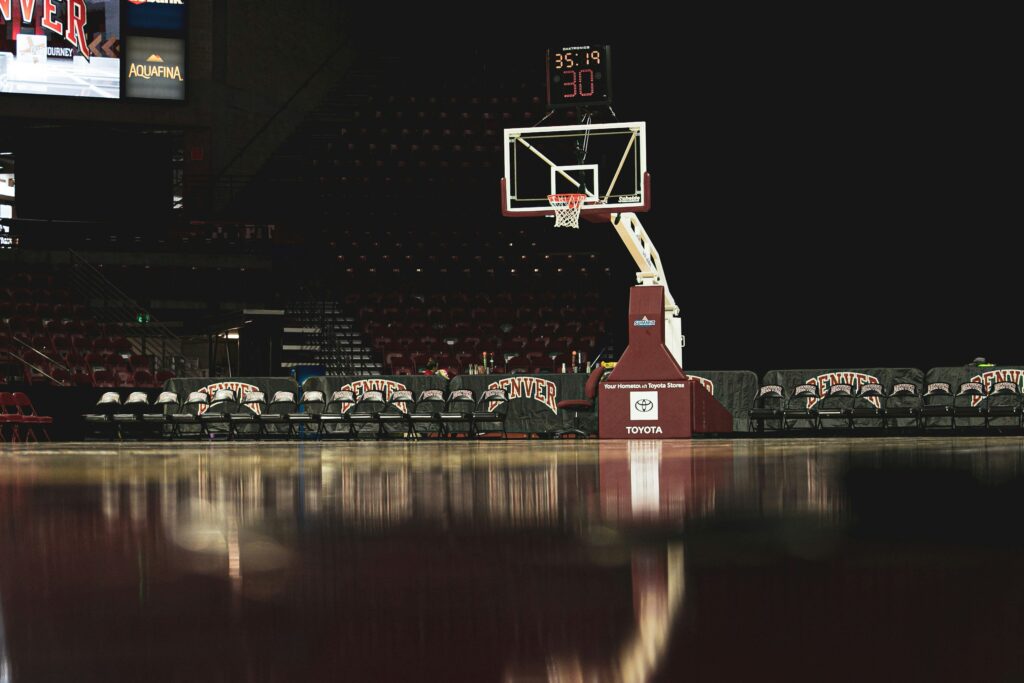
Basketball has moved far beyond the boundaries of sport. What once lived exclusively inside arenas, highlight reels, and box scores has evolved into a full-scale lifestyle design movement influencing how people dress, decorate, and express identity in their everyday environments. From luxury interiors inspired by courtside aesthetics to streetwear-driven home styling, basketball culture—led by the NBA—has become a defining force in modern design.
This shift reflects a broader cultural transformation where sport is no longer just entertainment, but a visual language that shapes taste, identity, and consumer behaviour. In fact, global NBA-related merchandise revenue is now estimated in the $1.3–$1.4 billion range annually, driven heavily by international demand and digital retail ecosystems. That commercial scale has helped push basketball aesthetics into mainstream design culture, where influence extends far beyond jerseys and sneakers.
From Arena Energy to Everyday Living Spaces
One of the clearest ways basketball has entered lifestyle design is through its visual identity. NBA arenas are built around contrast, energy, and spectacle—bright lighting, bold branding, and high-impact colour schemes. These same design principles are now appearing in residential interiors, particularly in urban and youth-driven markets.
Minimalist apartments are increasingly being paired with statement pieces inspired by basketball culture: framed jerseys, sneaker displays, LED lighting inspired by scoreboard aesthetics, and mural-style wall art referencing iconic moments or players. This shift reflects a broader design trend toward “identity spaces”—environments that visually communicate personal interests and cultural alignment.
Design analysts have noted that experiential interiors—spaces built around storytelling rather than purely function—have grown significantly in popularity over the past five years, particularly among younger demographics in major cities.
The Influence of Athlete Identity on Design Trends
Modern NBA players are not just athletes—they are global style influencers. Their presence in fashion campaigns, luxury brand collaborations, and social media has blurred the line between sports performance and lifestyle branding. This has had a direct impact on interior design trends, where personal branding and aesthetic identity now extend into living spaces.
Homes inspired by NBA culture often incorporate luxury materials, bold textures, and curated displays that reflect sneaker culture or team loyalty. The same way players construct personal brands through tunnel outfits and off-court fashion, fans and designers are translating that language into interior environments.
Even broader engagement with basketball culture spills into adjacent behavioural trends. Conversations around performance, matchups, or even checking out NBA odds reflect how deeply analytical and culturally embedded the sport has become in everyday life. That same mindset—tracking performance, identity, and narrative—feeds into how fans design their spaces, often using interiors as an extension of their connection to the game.
Streetwear as the Bridge Between Sport and Interiors
Perhaps the most significant driver of basketball-inspired design is the rise of streetwear. Streetwear has long been influenced by basketball silhouettes, sneakers, and team apparel, but in recent years it has expanded into interior design philosophy.
Designers are increasingly adopting streetwear principles—scarcity, bold branding, and cultural storytelling—into home décor. Limited-edition prints, branded décor collaborations, and sneaker wall installations are now common in contemporary urban interiors.
Sneaker culture in particular has become a defining feature of basketball-inspired spaces. In major US cities, sneaker resale markets alone are valued at billions annually, with limited drops often reselling at 2–5x retail value depending on demand. That same scarcity-driven mindset has influenced interior design trends, where exclusivity and curated collections play a central role in aesthetic appeal.
Digital Culture and the Visualisation of Basketball Spaces
Social media platforms have accelerated the fusion between basketball culture and interior design. Platforms like Instagram, TikTok, and Pinterest have turned lifestyle spaces into shareable content, where NBA-inspired rooms frequently trend alongside fashion and sports content.
The rise of digital mood boards has made it easier for fans and designers to replicate NBA aesthetics at home. Visual trends such as neon lighting, court-inspired colour palettes (wood tones, black, red, and gold accents), and minimalist luxury styling have become widely associated with basketball culture online.
This digital visibility has also reinforced aspirational design. Fans are no longer just watching games—they are curating environments that reflect the culture surrounding them.
Luxury Design Meets Basketball Identity
At the higher end of the design spectrum, NBA culture has also influenced luxury interiors. Celebrity athletes often collaborate with interior designers to create homes that reflect both performance lifestyle and architectural sophistication.
These spaces frequently feature:
- Open-plan layouts inspired by arena scale
- High-end materials such as marble, glass, and custom woodwork
- Art installations referencing basketball history or personal milestones
- Dedicated trophy and memorabilia rooms
This blending of sport and luxury design reflects a broader cultural trend: sports identity is now a marker of lifestyle status. Basketball is no longer just something people watch—it is something they live inside of, aesthetically and culturally.
Why Basketball Works as a Design Language
Basketball’s success as a lifestyle design influence comes down to its visual clarity and emotional resonance. Unlike many sports, it is fast, expressive, and visually dense—qualities that translate naturally into design elements.
Key drivers of its design influence include:
- Strong colour identity across teams and branding
- Iconic player-driven storytelling
- High visual intensity in gameplay and arenas
- Deep connection to fashion and music culture
Together, these factors create a flexible aesthetic language that designers can adapt across interiors, fashion, and digital media.
From Sport to Spatial Identity
Basketball culture has evolved into far more than a sporting ecosystem—it is now a design movement shaping how people build and personalise their living environments. From streetwear-inspired interiors to luxury athlete homes, the influence of the NBA extends into nearly every layer of modern lifestyle design.
As digital culture continues to merge sport, fashion, and identity, basketball’s role in shaping visual culture is likely to grow even stronger. What once existed on the court now lives in homes, cities, and digital spaces—turning basketball into not just a game, but a way of designing how life looks and feels.
 There is a specific skill involved in explaining something clearly — one that is completely separate from actually knowing the subject. Christophers Millerater has both. They has spent years working with home living highlights in a hands-on capacity, and an equal amount of time figuring out how to translate that experience into writing that people with different backgrounds can actually absorb and use.
Christophers tends to approach complex subjects — Home Living Highlights, Practical Home Makeover Tips, Interior Styling Ideas being good examples — by starting with what the reader already knows, then building outward from there rather than dropping them in the deep end. It sounds like a small thing. In practice it makes a significant difference in whether someone finishes the article or abandons it halfway through. They is also good at knowing when to stop — a surprisingly underrated skill. Some writers bury useful information under so many caveats and qualifications that the point disappears. Christophers knows where the point is and gets there without too many detours.
The practical effect of all this is that people who read Christophers's work tend to come away actually capable of doing something with it. Not just vaguely informed — actually capable. For a writer working in home living highlights, that is probably the best possible outcome, and it's the standard Christophers holds they's own work to.
There is a specific skill involved in explaining something clearly — one that is completely separate from actually knowing the subject. Christophers Millerater has both. They has spent years working with home living highlights in a hands-on capacity, and an equal amount of time figuring out how to translate that experience into writing that people with different backgrounds can actually absorb and use.
Christophers tends to approach complex subjects — Home Living Highlights, Practical Home Makeover Tips, Interior Styling Ideas being good examples — by starting with what the reader already knows, then building outward from there rather than dropping them in the deep end. It sounds like a small thing. In practice it makes a significant difference in whether someone finishes the article or abandons it halfway through. They is also good at knowing when to stop — a surprisingly underrated skill. Some writers bury useful information under so many caveats and qualifications that the point disappears. Christophers knows where the point is and gets there without too many detours.
The practical effect of all this is that people who read Christophers's work tend to come away actually capable of doing something with it. Not just vaguely informed — actually capable. For a writer working in home living highlights, that is probably the best possible outcome, and it's the standard Christophers holds they's own work to.