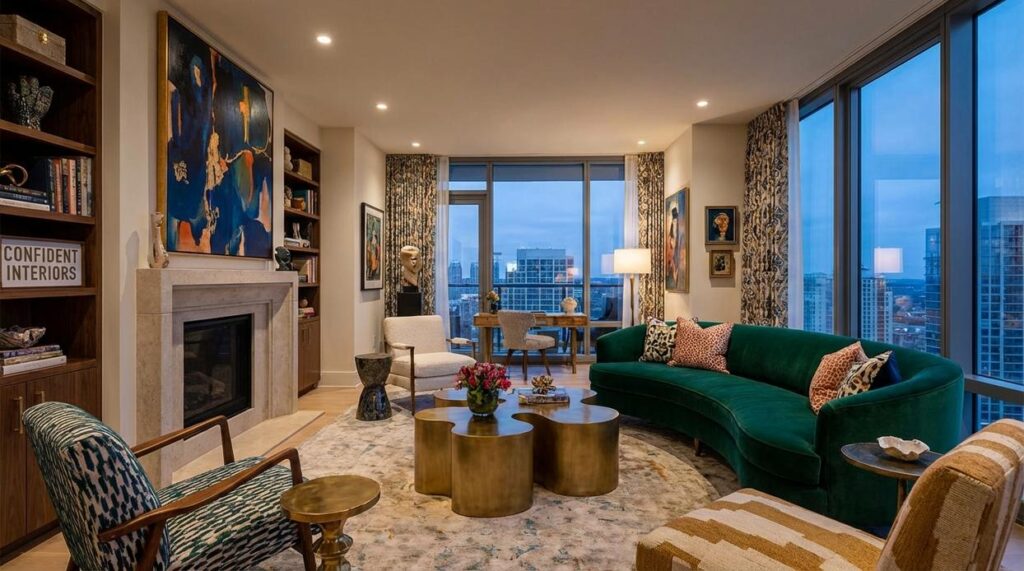

Great lighting can completely transform the way a home looks and feels—but knowing where to start can be overwhelming. If you’re searching for practical, stylish, and functional guidance on lighting design for homes, this article is built to give you exactly that. We break down the essential principles behind effective lighting, from layering ambient, task, and accent lighting to choosing fixtures that elevate your interior style while improving everyday usability.
Many homeowners struggle with dim rooms, harsh glare, or lighting that simply doesn’t complement their space. Here, you’ll find clear, actionable insights to help you avoid common mistakes and make confident design decisions. Our recommendations are grounded in established interior design principles, current home styling trends, and practical space optimization strategies used by professionals.
Whether you’re planning a full renovation or a simple room refresh, this guide will help you create a well-lit home that feels warm, functional, and beautifully balanced.
Lighting is the quiet architect of mood, yet it’s often the last thing homeowners consider. We’ve all walked into rooms that feel flat or harsh, even when the furniture is beautiful. Back in 2020, after months of testing fixtures in real client homes, we saw how quickly atmosphere shifts with the right glow.
The problem is simple: poor layering. Great lighting design for homes follows three steps:
- Ambient light for overall visibility.
- Task light for function.
- Accent light for drama.
When balanced, spaces feel alive. Ignore it, and even luxury decor falls short. Every room deserves intention.
The Foundation: Understanding the Three Layers of Light
Layered lighting is the backbone of professional lighting design for homes. Instead of relying on a single ceiling fixture (the design equivalent of using one spice for every meal), designers build a room’s illumination in three intentional layers.
Layer 1 – Ambient Lighting
Ambient lighting is the general, overall glow that fills a space. It acts as a substitute for natural daylight, ensuring safe movement and visual comfort. Ceiling-mounted fixtures, recessed cans, and large pendants typically provide this base layer. The benefit? Balanced brightness that prevents harsh shadows and makes a room instantly usable.
Layer 2 – Task Lighting
Task lighting is focused, direct light designed for specific activities like reading, chopping vegetables, or applying makeup. Desk lamps, under-cabinet strips, and vanity lights are common examples. By concentrating illumination where it’s needed most, task lighting reduces eye strain and improves precision—especially important as studies show lighting quality affects productivity and visual comfort (American Lighting Association).
- Prevents glare
- Enhances accuracy
- Supports daily routines
Layer 3 – Accent Lighting
Accent lighting adds drama and dimension. Spotlights, wall washers, and picture lights highlight artwork or architectural details, creating depth and sophistication. It transforms a flat room into a visually layered space.
Layer One—better known as ambient lighting—is the foundation of great lighting design for homes. Its goal is simple but crucial: create a comfortable, uniform level of brightness without harsh glare or dramatic shadows. Think of it as the “background soundtrack” of a room (quietly essential, rarely noticed when done right).
In the living room, start with a central fixture. Chandeliers distribute light outward and downward, offering both coverage and a focal point. Ceiling fans with integrated lights add airflow and illumination in one practical package—especially useful in warmer climates. Meanwhile, recessed downlights (often called pot lights) provide a clean, streamlined ceiling line while casting an even wash of light. For flexible coverage, track lighting allows you to direct multiple heads across different zones, ensuring no corner feels forgotten.
Softer Solutions for Bedrooms and Hallways
In more intimate spaces, flush-mount or semi-flush-mount ceiling fixtures diffuse light gently across the room. Wall sconces, positioned at eye level, bounce light upward or outward to reduce glare and create a calm, welcoming glow.
Finally—and this is non-negotiable—install dimmers on all primary ambient fixtures. Dimmers let you shift from bright morning clarity to relaxed evening warmth instantly. Pro tip: choose LED-compatible dimmers to prevent flickering and extend bulb life.
Layer Two in Practice: Illuminating Daily Activities with Precision
Layer two lighting—also called task lighting (light dedicated to a specific activity)—isn’t just decorative flair. It’s the difference between confidently chopping vegetables and wondering why your onions look like abstract art.
Kitchen Task Lighting
High-activity zones demand precision. Under-cabinet LED strips cast direct light onto countertops, eliminating shadows created by overhead fixtures. Pendant lights over an island provide concentrated illumination for meal prep, homework sessions, or late-night snack engineering. Some argue ambient lighting is enough. Technically, yes—if you enjoy squinting. But studies show proper task lighting reduces eye strain and improves accuracy in detail-oriented work (American Lighting Association). Pro tip: choose LEDs with a color temperature around 3000–4000K for clear, natural visibility.
Home Office & Reading Nook Solutions
Adjustable desk lamps and floor lamps with articulating arms let you aim light exactly where needed, minimizing glare on screens and glossy pages. (Your eyes will thank you by 3 p.m.) Critics say overhead lighting should suffice, yet targeted light reduces contrast fatigue and boosts focus (IESNA guidelines). In thoughtful lighting design for homes, flexibility is everything.
Bathroom Task Lighting
Vanity sconces placed on either side of the mirror deliver even, shadow-free illumination for grooming. Overhead-only lighting? That’s how you miss a spot shaving. Balanced placement supports both function and style—just like the importance of texture and materials in home design reminds us that details matter.
Layer Three in Practice: Adding Drama and Visual Interest
Start with an anecdote about walking into a friend’s living room where the fireplace glowed like a stage set. That was the moment I understood accent lighting—the jewelry of a room’s design. Just as earrings frame a face, accent lights frame what matters most.
For highlighting artwork, I’ve used adjustable track heads and slim picture lights to pull paintings forward visually. As a rule, keep accent lighting at least three times brighter than the surrounding ambient light; otherwise, the effect falls flat (and no one notices the masterpiece).
Likewise, architectural features deserve their spotlight. Uplighting can graze a textured stone fireplace, cove lighting can stretch perceived ceiling height, and discreet tape lights along shelving add depth.
In lighting design for homes, these layered contrasts create mood and movement. Pro tip: install dimmers to fine-tune intensity as daylight shifts throughout the day.
The Finishing Touches: Color Temperature and Smart Controls
Color temperature, measured in Kelvins (K), determines whether light feels warm or cool. Warm white (2700K–3000K) creates a soft, golden glow—ideal for living rooms and bedrooms where relaxation matters (think cozy coffee shop vibes). Cool white (3500K–4000K) feels brighter and crisper, making it perfect for kitchens and bathrooms where visibility is key. According to the American Lighting Association, warmer tones promote comfort, while cooler tones support task focus.
Some argue color temperature is purely aesthetic. Not quite. In lighting design for homes, it directly affects mood, productivity, and even how paint colors appear.
The Power of Dimmers
Dimmers are the simplest way to control ambiance. One fixture, multiple moods:
- Bright for cleaning
- Soft for entertaining
- Low for winding down
Pro tip: Pair dimmers with warm bulbs for maximum flexibility.
Smart Lighting
Smart bulbs and systems let you automate layers, adjust brightness, and create scenes like “Movie Night” or “Dinner Party.” (Yes, it’s as convenient as it sounds.)
Your Blueprint for a Brilliantly Lit Home
Poor lighting is often the quiet culprit behind a beautiful room that feels flat.
The good news? A professional result is achievable when you understand the layering principle—ambient, task, and accent working together.
Think of lighting design for homes as a three-step fix:
- Add ambient light with ceiling fixtures or recessed cans.
- Layer task light near desks, vanities, and reading chairs.
- Highlight accents like art, shelves, or architectural details.
Walk through one room today and upgrade just one layer. (Yes, it really is that simple.) Small tweaks create dramatic impact.
Bring Your Space to Life with the Right Lighting Choices
You started this journey because something in your home didn’t feel quite right. Maybe the rooms felt flat, too dark, or simply uninspiring. Now you understand how lighting design for homes can completely transform the mood, function, and visual impact of every space.
The right lighting isn’t just decorative—it solves real problems. It eliminates harsh shadows, enhances comfort, improves functionality, and highlights the features you love most about your home. When lighting is planned with intention, small rooms feel larger, cozy spaces feel warmer, and everyday routines become more enjoyable.
Now it’s time to take action. Walk through your home and identify one space that needs better balance, brightness, or ambiance. Start with layered lighting, upgrade outdated fixtures, or rethink bulb temperature to instantly elevate the room.
If you’re ready to stop settling for dull or poorly lit spaces, get expert guidance and proven styling ideas that make every room shine. Discover practical, design-forward solutions that turn frustrating lighting problems into beautifully illuminated results—starting today.