
If you’re looking for practical, stylish ways to transform your space, this guide to styling open shelving is designed with you in mind. Open shelves can instantly elevate a room—but without the right approach, they can just as easily look cluttered or unfinished. Whether you’re updating a kitchen, living room, or bathroom, the key is knowing how to balance function, personality, and visual flow.
In this article, you’ll find clear, actionable tips to help you choose the right décor pieces, create balance and symmetry, layer textures, and make the most of your available space. We draw on proven interior styling principles, current home design trends, and practical space-optimization techniques used by experienced decorators to ensure every suggestion is both beautiful and achievable.
By the end, you’ll have a simple framework you can follow to turn bare shelves into a cohesive, eye-catching focal point that enhances your entire home.
The Art of the Edit: Your First Step to Beautiful Shelves
Open shelves in a Brooklyn brownstone kitchen or a compact Seattle condo can turn chaotic fast. The trick to styling open shelving is ruthless editing. Designers call this “visual breathing room”—empty space that lets objects shine.
Start here:
- Remove everything.
- Group by function and finish (ceramics with ceramics, cookbooks with cookbooks).
- Return only what earns its spot.
Think of it like curating a gallery in SoHo, not stocking a warehouse. If it’s chipped, mismatched, or unused, store it elsewhere. Less truly is more. When in doubt, leave it off.
Start with a Clean Slate: How to Curate Your Collection
I learned this the hard way: you cannot organize around clutter. Years ago, I tried styling open shelving by simply shifting objects around. I told myself it looked “collected.” It looked chaotic. The fix? The Empty Shelf Rule — remove everything. Yes, everything. A blank shelf forces clarity (and a little honesty).
Next, sort into three piles: Keep on Display, Store Elsewhere, and Donate/Discard. Be ruthless. If you wouldn’t notice it missing for a month, it probably doesn’t deserve prime real estate. I once kept three nearly identical vases “just in case.” They added noise, not charm.
Now group your Keep items by type and theme — books with books, vases with vases, plants with plants. This creates what designers call visual cohesion (when similar objects feel intentionally connected).
- Pro tip: Odd-numbered groupings often feel more natural and balanced.
Finally, think in color palettes. Limit yourself to two or three main colors, then layer metallic or natural accents like wood or stone. Some argue more color equals more personality. I disagree. Too many hues compete for attention — like every character trying to be the main character.
Edit first. Style second. That’s the lesson I wish I’d learned sooner.
Composition 101: Achieving Visual Balance and Flow
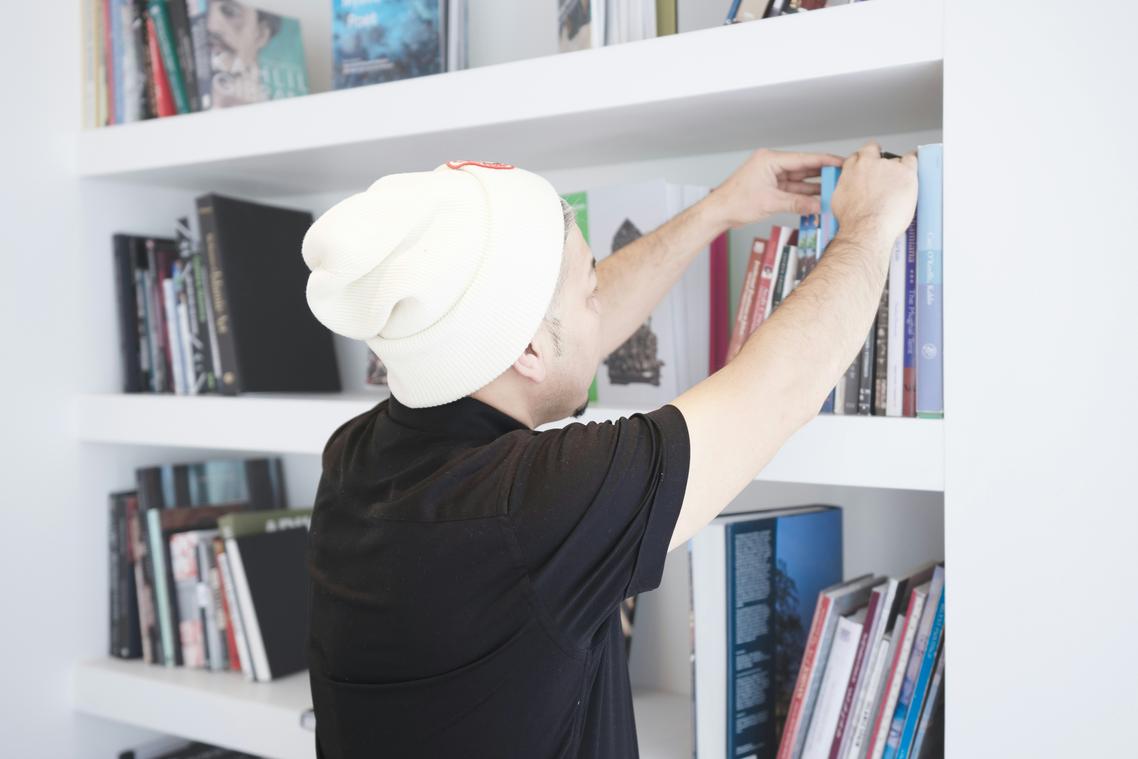
Great shelf styling isn’t luck—it’s STRUCTURE. When you understand a few core composition principles, your displays feel intentional instead of accidental (yes, there’s a difference).
Anchor Your Shelves
Start with your largest, heaviest objects—these are your “anchor pieces.” An anchor piece is a visually weighty item that grounds a composition, such as a stack of hardcover books, a ceramic bowl, or a storage basket. Place them on lower shelves or toward the back. This creates stability and prevents the arrangement from feeling top-heavy. The benefit? Your entire display instantly feels BALANCED and secure.
The Rule of Threes (and Fives)
Designers often group items in odd numbers because odd groupings feel dynamic and natural. A trio of vases or five books stacked horizontally creates movement, while even numbers can look overly symmetrical (and a little stiff). Think of it like a movie ensemble cast—three main characters are often more compelling than two. Why does this work so well? Because the eye searches for variation.
Create Visual Triangles
Arrange objects in varying heights to form an implied triangle. A tall vase, medium frame, and small decorative object naturally guide the eye upward and across. This triangular flow keeps displays engaging rather than static.
Vary Height and Scale
Contrast is key. Pair tall with short, narrow with wide, smooth with textured. This layered approach prevents flatness and adds DEPTH—essential when styling open shelving. The payoff is a shelf that feels curated, not cluttered.
Adding Depth and Personality Through Layering
If your shelves feel flat, the issue usually isn’t what you’re displaying—it’s how you’re arranging it. The secret? Think in layers. When styling open shelving, work from back to front. Lean a small framed print or decorative plate against the wall, then place a shorter object in front. This creates depth, which simply means giving the eye multiple distances to travel (like a movie set instead of a blank backdrop).
Some minimalists argue that layering creates clutter. They’re not wrong—too many competing pieces can overwhelm a space. But thoughtful layering isn’t clutter; it’s composition. The difference lies in balance and restraint. For a broader perspective, explore minimalist vs maximalist choosing the right interior style to see how both approaches influence shelf design.
Mix textures and materials to avoid a one-note look. Pair glossy ceramics with raw wood, or stack linen-bound books beneath a small brass sculpture. Texture refers to how a surface looks or feels—smooth, rough, matte, or shiny—and contrast keeps arrangements visually dynamic (think of it as casting different characters instead of clones).
Books are your secret weapon. Stack them horizontally to create height variation, or stand them vertically with bookends. They act as pedestals and visual anchors.
Finally, incorporate natural elements. A trailing pothos or a vase of dried stems softens rigid lines. I predict biophilic styling—design that connects interiors to nature—will dominate shelving trends in coming years as homeowners prioritize wellness-focused spaces (a shift supported by increased interest in plant-filled interiors, per Houzz trend reports).
Smart organization is where beauty and practicality shake hands and actually get along. “I just want it to look nice without hiding everything,” a client once told me. The solution? Blend form and function with intention.
Contain the clutter with stylish baskets, woven bins, or decorative boxes that tuck away remotes and chargers.
Decant for cohesion by pouring dry goods into matching glass jars; instant polish.
Assign zones when styling open shelving, dedicating shelves to novels or a mini coffee bar.
- Keep everyday items accessible
- Edit ruthlessly and display only what you love.
“Everything needs a home,” she laughed.
First, take a breath and step back. You’ve decluttered, balanced, layered, and organized; the hard part is done. However, here’s where I once went wrong. I kept adding ‘just one more thing’ until the shelves felt crowded again. In other words, I forgot the power of negative space—those intentional gaps that let objects breathe. Now, view your shelves from across the room. Then, swap one or two items, adjust heights, and remove anything that disrupts the story. When styling open shelving, restraint is often the real finishing touch. Ultimately, your shelves should feel curated, not crammed. Less truly elevates more.
Bring Your Space Together with Confidence
You came here looking for practical, stylish ways to transform your space—and now you have the tools to make it happen. From smart layout adjustments to styling open shelving with intention, you’ve seen how small, thoughtful changes can completely elevate the look and function of your home.
A cluttered, uninspired room can feel overwhelming and frustrating. But with the right design elements, better organization strategies, and a clear vision, your space can finally reflect your personality while working for your everyday life.
Now it’s time to take action. Start by choosing one area to refresh this week—rework your layout, refine your color palette, or focus on styling open shelving to create a polished focal point. If you’re ready for step-by-step guidance and proven design ideas trusted by thousands of home enthusiasts, explore our expert-backed resources and start your makeover today.
Your home should inspire you every single day. Take the next step and create a space that truly feels like yours.