Choosing between minimalist vs maximalist decor can feel overwhelming when you’re trying to create a home that truly reflects your personality. Do you embrace clean lines and calm, open spaces—or layer bold colors, rich textures, and statement pieces? If you’re searching for clarity, inspiration, and practical direction, this guide is designed to help you confidently decide which style aligns with your lifestyle, space, and design goals.
In this article, you’ll discover the defining characteristics of each approach, their benefits and challenges, and how to blend elements strategically if you’re drawn to both. We break down essential design principles, space optimization techniques, and styling tips you can apply immediately—whether you’re refreshing a single room or planning a full makeover.
Our insights are grounded in proven interior design principles and real-world home styling experience, ensuring you get practical, trustworthy advice—not just trends. By the end, you’ll know exactly which direction suits your home and how to execute it beautifully.
The Core Philosophy: ‘Less is More’ vs. ‘More is More’
At its heart, minimalist vs maximalist decor is a debate about intention.
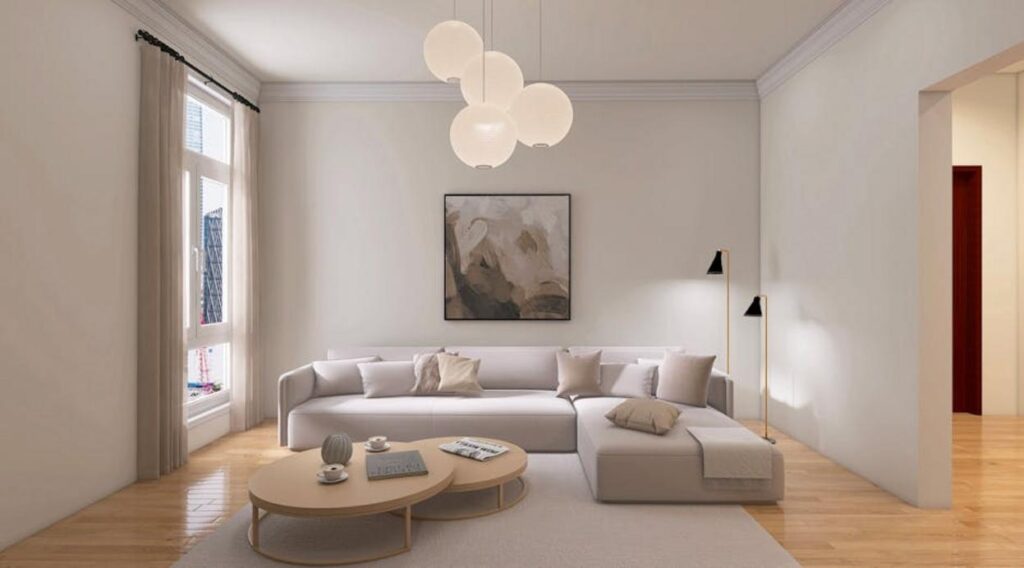
Minimalism is rooted in intentionality—meaning every item serves a clear function or sparks genuine value. Think clean lines, neutral palettes, and open floor space that feels breathable. The guiding rule? Every object has a purpose and a place. A streamlined sofa with hidden storage, for example, isn’t just stylish—it reduces visual noise and improves daily flow. The benefit is clarity: fewer distractions, more focus (like giving your brain a deep exhale).
Maximalism, by contrast, embraces abundance. Layered textiles, gallery walls, bold wallpaper, and curated collections transform rooms into personal archives. A velvet armchair beside a patterned rug and stacked books creates depth and story. The payoff is emotional richness—energy, comfort, even nostalgia.
Minimalist spaces often feel tranquil and controlled. Maximalist ones feel dynamic and alive. One soothes; the other stimulates. The right choice depends on how you want your home to make you feel every day.
The Color Palette Duel: Muted Tones vs. Rich Hues
When it comes to minimalist vs maximalist decor, color is the clearest dividing line.
Minimalist Palette
Think whites, beiges, warm grays, and soft earth tones. The aim is a cohesive, calming visual field. Color appears sparingly—perhaps a single black vase on a pale oak table. A monochromatic scheme (using varying shades of one color) keeps things serene. For example, layering cream, sand, and taupe in a living room creates depth without noise. Pro tip: vary texture—linen, wool, matte paint—to avoid a flat look.
Maximalist Palette
Here, restraint is optional. Jewel tones like emerald and sapphire mingle with punchy fuchsia or mustard. Contrast is king. Picture a deep teal wall behind a ruby sofa—dramatic, confident, unforgettable (a little Gatsby energy never hurts).
Side-by-Side Choice
- Calm focus vs. visual thrill
- Subtle layering vs. bold contrast
- One-tone harmony vs. a standout “hero” color anchoring the room
Neither is right or wrong—just different moods for different minds.
Furniture & Form: Clean Lines vs. Ornate Shapes
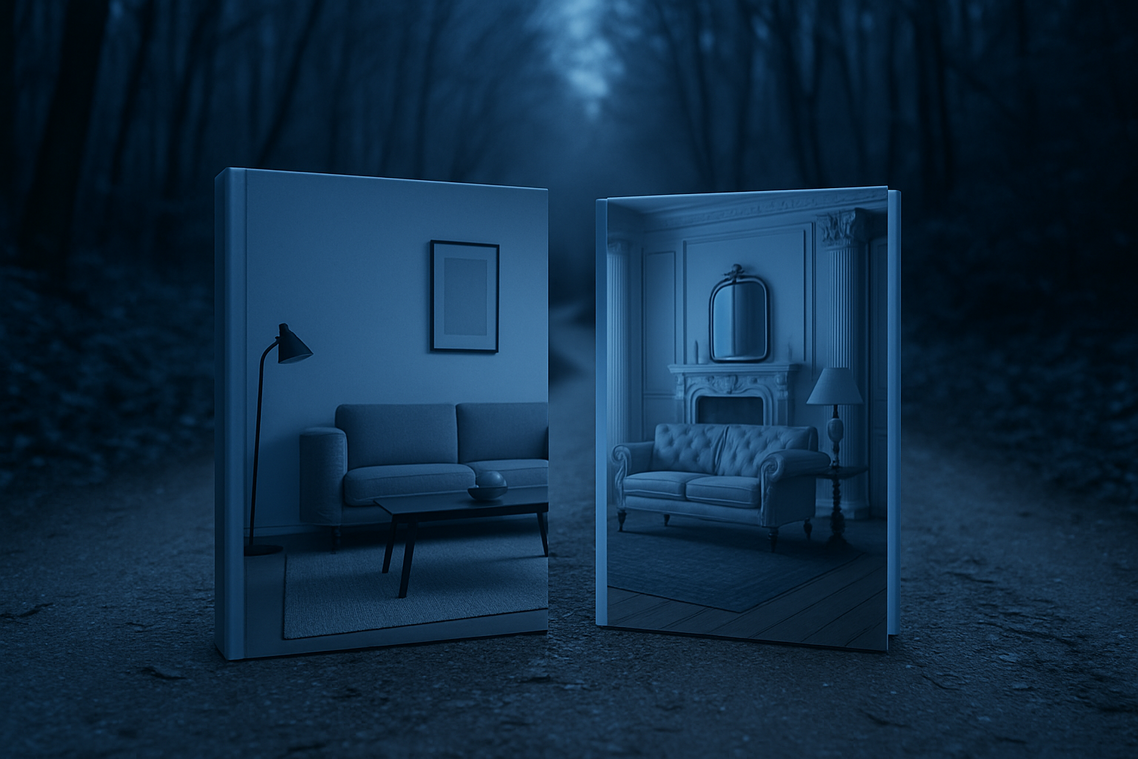
When choosing between minimalist and maximalist furniture, the real question is simple: how do you want your space to feel—and function?
Minimalist furniture centers on clean lines, geometric shapes, and natural materials like wood, stone, or linen. Every piece earns its place. Think of a sleek platform bed with built-in drawers or a streamlined sofa that doubles as a sleeper. The benefit? You gain visual calm and better space efficiency. By embracing negative space (the intentional emptiness around objects), rooms feel larger and more breathable—an advantage backed by environmental psychology research linking uncluttered spaces to reduced stress (Journal of Environmental Psychology, 2010).
On the other hand, maximalist furniture celebrates ornate curves, plush upholstery, and layered history. A carved vintage credenza beside a velvet armchair creates personality-rich vignettes. The payoff is warmth and storytelling—your home feels collected, not decorated. Clever vertical storage, gallery walls, and tall bookcases help maximize space without chaos.
In the debate around minimalist vs maximalist decor, you don’t have to pick a side. Instead, borrow what serves you. Prefer flexibility? Choose multifunctional staples. Crave coziness? Layer textures strategically. For seasonal refresh ideas, explore seasonal interior styling tips for a quick home update.
Ultimately, the right furniture form enhances comfort, reflects identity, and makes daily living easier (which is the whole point, isn’t it?).
Accessorizing is less about buying more and more about deciding what earns the spotlight. In the minimalist vs maximalist decor debate, the real difference is curation versus collection.
Minimalist decor is highly edited: a single sculptural vase, one striking canvas, or a thoughtful stack of books. Each piece carries visual weight, meaning it draws the eye and anchors the space. Think of it like a museum gallery rather than a flea market (quality over clutter). By contrast, maximalist decor celebrates abundance. Gallery walls, layered rugs, patterned pillows, and overflowing shelves work together to tell a story. The harmony comes from repetition, rhythm, and color cohesion, not randomness.
So how do you execute each well? For minimalism, try The Rule of Three: group three objects of varying heights on a surface to create balance without clutter. Pro tip: leave negative space, the intentional emptiness that lets statement pieces breathe. For maximalism, master How to Mix Patterns by varying the scale and sticking to a loose color family. Large florals pair with small geometrics; bold stripes ground intricate prints.
Ultimately, accessorizing is storytelling—whether whispered or exuberantly sung. The advantage lies in intention, not inventory. Choose wisely. Edit boldly, or layer with purpose.
Which Style Fits Your Life? A Practical Self-Assessment
I once tried living in an all-white apartment because I thought calm meant empty. Two weeks later, I missed my patterned pillows (turns out, personality matters). So first, ask yourself: how do you feel when you walk into your space?
Choose Minimalism if you crave a calm retreat, find cleaning therapeutic, prefer quality over quantity, and feel stressed by visual clutter. In other words, less truly feels like more.
On the other hand, choose Maximalism if you’re a collector, love bold color, and feel energized by layered rooms.
Still unsure? The minimalist vs maximalist decor debate isn’t binary. Try a minimalist base with one maximalist moment—like a vibrant reading nook.
You came here trying to decide between minimalist vs maximalist decor, hoping to find a style that truly fits your space and personality. Now you understand how each approach shapes mood, function, and visual impact—and how the right balance can transform your home from cluttered or chaotic into intentional and inspiring.
If you’ve been struggling with rooms that feel either too empty or overwhelmingly busy, the solution isn’t guessing—it’s designing with clarity. When your space reflects your lifestyle, everything feels more comfortable, functional, and uniquely yours.
Design Your Space With Confidence
Don’t let indecision keep your home from reaching its potential. Get expert-backed styling ideas, smart space optimization tips, and practical makeover guidance tailored to your goals. Join thousands of homeowners who trust our proven design insights to simplify their choices and elevate their living spaces. Start your transformation today and create a home that finally feels right.