It’s no secret that open layout designs are all the rage. But how do you make those vast spaces work for you? That’s the trick.
Too often, people find themselves overwhelmed with the challenge of balancing functionality and aesthetics. I’ve spent years diving into this exact problem, helping countless folks figure out how to turn their open spaces into something both stunning and practical.
I get it. You’re looking for open floor plan strategies that don’t just look good on paper. You want real solutions, things you can actually do to make your home better right now.
And who wouldn’t? Nobody wants to live in a magazine spread that’s completely unusable.
In this article, I’ll share my expertise in home design and layout optimization. You’ll walk away with practical, actionable tips that make a difference. So stick around if you’re ready to transform your home into a space that’s both beautiful and functional.
Open Layout Design: More Than Just a Trend
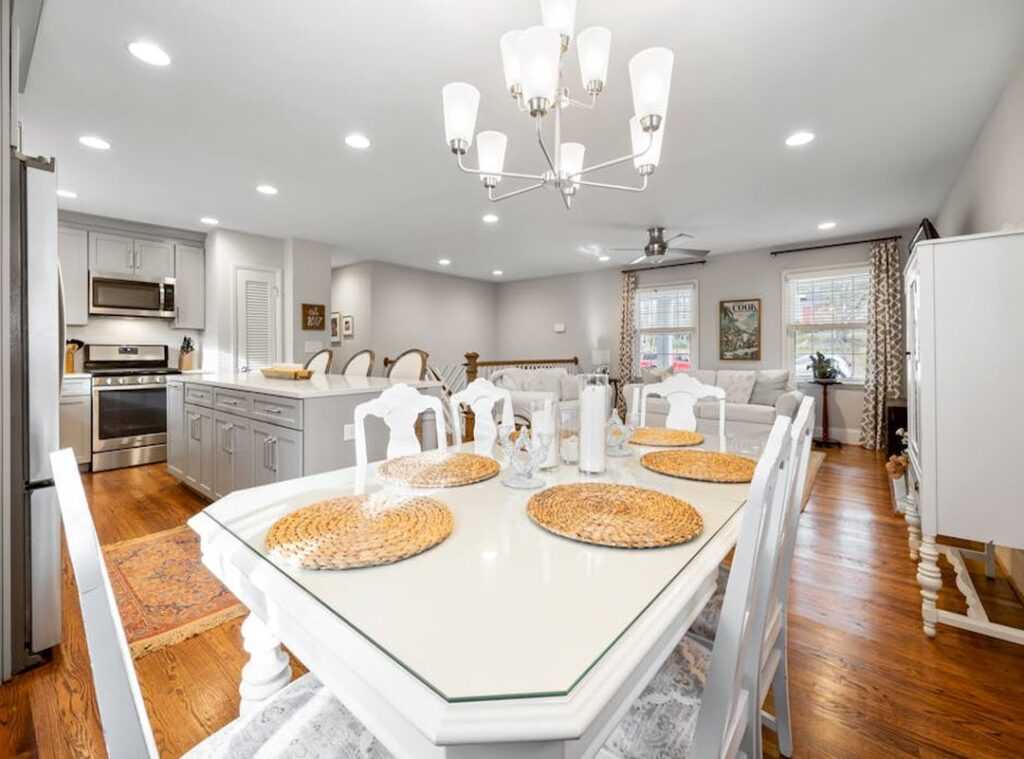
Open layout design is more than knocking down walls. It’s about creating a smooth flow in your home. You know what I’m talking about, right?
That airy, light-filled space that’s all over home magazines. It’s popular because it works. You get improved natural light, better flow, and you can actually talk to someone in the kitchen while you’re lounging on the couch (without shouting).
Now, let’s address the elephant in the room. People think open layouts lack privacy or coziness. But that’s not true.
Thoughtful open floor plan strategies can solve this. You can arrange your furniture to create intimate areas or use rugs to define spaces. I mean, who doesn’t love a cozy reading nook in an open room?
Sure, open layouts aren’t for everyone. Some folks miss having defined rooms. But the advantages are clear, especially if you love socializing.
Plus, if you’re tight on space, thinking about Maximizing Small Spaces Clever Storage Solutions can help.
So, is an open layout right for you? Only you can decide. But if you want light, space, and versatility, it’s worth considering.
The future’s open, quite literally.
Open Spaces: Design Secrets Unveiled
Zoning is a game-changer in open spaces. You might ask, how do you divide a room without walls? It’s all about creating distinct areas that serve a purpose.
Think of rugs to define a cozy sitting area or bookshelves to subtly separate a dining space. Trust me, these tricks work wonders, making your home feel organized and spacious at the same time.
Visual continuity is another important element. When I design, I focus on colors and textures. It’s like crafting a smooth visual flow from one area to another.
Choosing a consistent color palette and using similar textures keeps the eye moving smoothly across the space. This harmony is what makes an open layout inviting rather than chaotic.
Furniture placement can make or break the vibe of an open space. You want openness, but you also want structure. Place furniture in ways that guide movement while still offering cozy spots to settle in.
For instance, placing a sofa back to mark off the living room creates a sense of boundary without cramping the room’s style.
And here’s a pro tip: consider incorporating open floor plan strategies to blend elements together. It’s smart to use color drenching to make spaces feel larger. This technique involves using a single color throughout, which helps unify the space.
So how do you feel about tackling your open space now? Armed with these strategies, your place can be both functional and beautifully designed. Embrace openness, but don’t forget you can still have definition and flow.
Open Layouts: Maximize Functionality with Flair
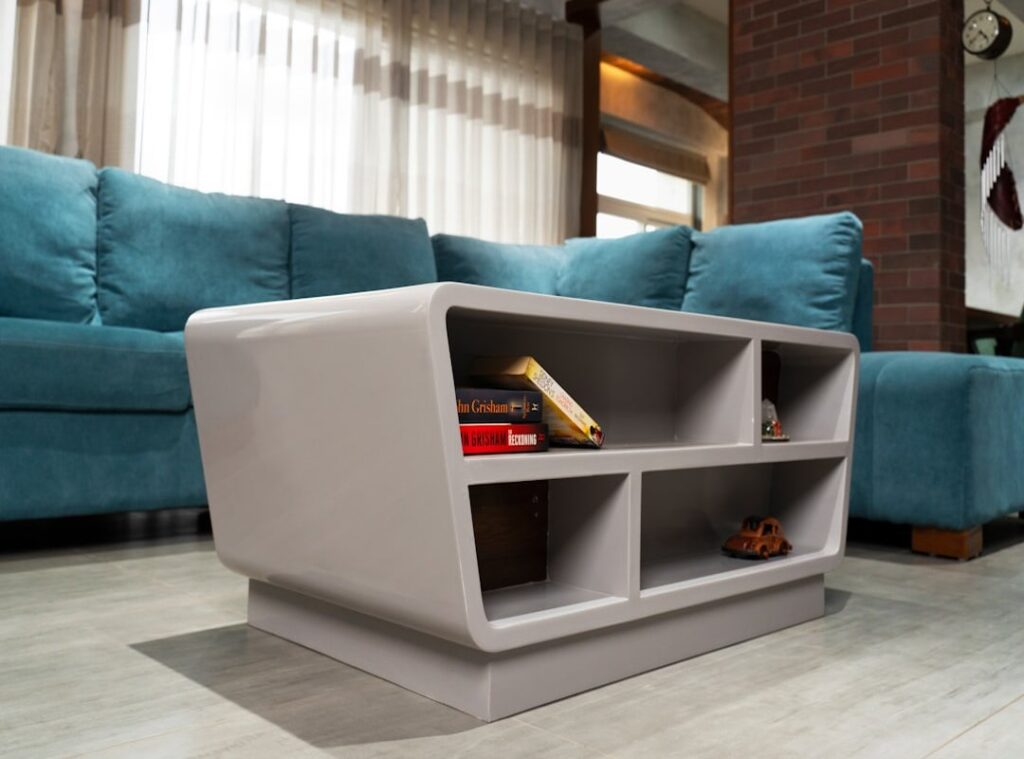
Having an open floor plan can feel like a blank canvas (almost) a bit too open, right? But with the right multi-functional furniture, you can turn that emptiness into an fast space. Think of a sofa that transforms into a bed or a coffee table that opens up for storage.
These pieces aren’t just space savers; they’re game-changers.
Now, let’s talk about storage. It’s tempting to cram in shelves and cabinets, but that ruins the vibe. Instead, use hidden storage options like ottomans or benches with compartments.
They keep the clutter at bay while blending seamlessly with your decor. Who doesn’t want a neat space without the stress of constant tidying?
And hey, if you’re working from home (who isn’t these days?), having a dedicated workspace is key. But it doesn’t have to stick out like a sore thumb. A small desk tucked into a corner or a wall-mounted unit can do wonders.
It complements your open layout while giving you the focus zone you need.
On another note, if you’re looking to add some green and life to your space, check out these vertical gardens green solutions tight spaces. Perfect for those tight spots that need a touch of nature.
Open Floor Magic: Transform Your Spaces
Open floor plans can be tricky to style, but trust me, they’re worth it. So, what’s the secret sauce? Decor accessories.
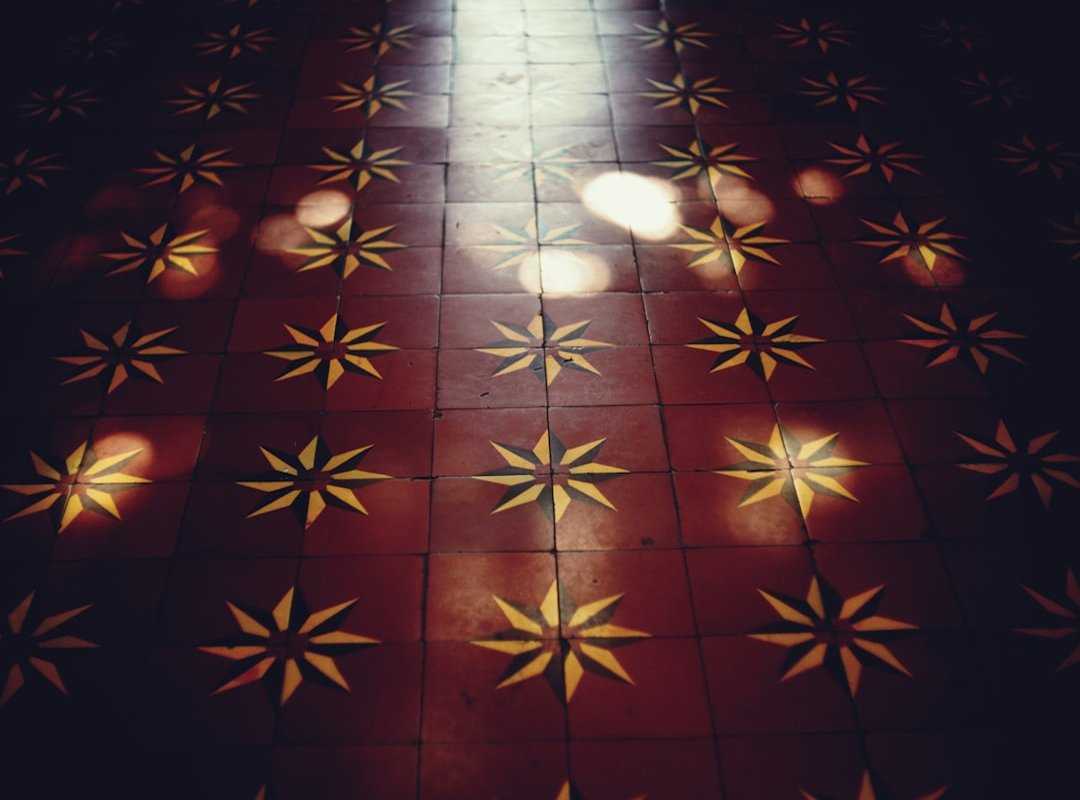
These little gems define and boost open spaces. Yes, I mean those quirky sculptures you love and the bold vases that catch your eye (even if they weren’t on sale). They’re not just pretty faces; they anchor your space and create focal points.
Lighting is your best friend here. It’s not just about seeing stuff. It’s about feeling stuff.
Use different types and intensities to create ambiance. Try pendant lights over your dining area to set a mood or soft floor lamps to carve out a cozy reading nook. And, speaking of nooks, don’t forget rugs.
They say, “This is a space.” without actually saying it.
Got personal stuff? Display it, but keep the flow. Mix textures and hues, but within a theme.
Cohesion is key. Too much clutter, and it looks like a garage sale (unless that’s your vibe, then go nuts). Open floor plan strategies are like cooking.
You need the right mix of ingredients. Just don’t forget to taste as you go.
Open Floor Plan: Mastering the Chaos
Open floor plans are great, right? Until you realize you can hear someone chewing a mile away. Noise control is a big issue.
But there’s hope. Ever tried area rugs? They absorb sound and can define a space without walls.
Throw in some plants (goodbye, echo) and suddenly things feel a bit cozier.
Another challenge? Defining space. It’s not all about aesthetics; it’s about making the space work for you.
Shelving can act like walls without blocking light. Plus, they give you extra storage. Win-win.
Sometimes, you need creative solutions. Remember Monica’s apartment in Friends? That place was a masterclass in making a small space feel big.
Why not channel your inner Monica and get creative? Use open floor plan strategies to adapt and conquer your unique layout issues. You might even find your space evolves as you do. (Pro tip: Keep experimenting.
Creativity is key.)
Design Your Space, Live Your Dream
Open layout designs are game-changers. They transform cramped rooms into expansive, inviting spaces. Why not try it?
With open floor plan strategies, you can breathe fresh air into your home. Think about that cluttered room. Remember the design tips we discussed?
Use them. Start small. Shift furniture, knock down a wall if you’re brave.
It’s your space to innovate. Your home deserves a facelift. Want more?
Dive into decoradhouse.com.co for inspiration. We’ve got the #1 rated tips to guide you. Ready to embrace change?
Don’t wait. Take action and let your home tell your story.
 Trevella Veythanna is the kind of writer who genuinely cannot publish something without checking it twice. Maybe three times. They came to interior styling ideas through years of hands-on work rather than theory, which means the things they writes about — Interior Styling Ideas, Decorad Space Optimization Techniques, Curious Insights, among other areas — are things they has actually tested, questioned, and revised opinions on more than once.
That shows in the work. Trevella's pieces tend to go a level deeper than most. Not in a way that becomes unreadable, but in a way that makes you realize you'd been missing something important. They has a habit of finding the detail that everybody else glosses over and making it the center of the story — which sounds simple, but takes a rare combination of curiosity and patience to pull off consistently. The writing never feels rushed. It feels like someone who sat with the subject long enough to actually understand it.
Outside of specific topics, what Trevella cares about most is whether the reader walks away with something useful. Not impressed. Not entertained. Useful. That's a harder bar to clear than it sounds, and they clears it more often than not — which is why readers tend to remember Trevella's articles long after they've forgotten the headline.
Trevella Veythanna is the kind of writer who genuinely cannot publish something without checking it twice. Maybe three times. They came to interior styling ideas through years of hands-on work rather than theory, which means the things they writes about — Interior Styling Ideas, Decorad Space Optimization Techniques, Curious Insights, among other areas — are things they has actually tested, questioned, and revised opinions on more than once.
That shows in the work. Trevella's pieces tend to go a level deeper than most. Not in a way that becomes unreadable, but in a way that makes you realize you'd been missing something important. They has a habit of finding the detail that everybody else glosses over and making it the center of the story — which sounds simple, but takes a rare combination of curiosity and patience to pull off consistently. The writing never feels rushed. It feels like someone who sat with the subject long enough to actually understand it.
Outside of specific topics, what Trevella cares about most is whether the reader walks away with something useful. Not impressed. Not entertained. Useful. That's a harder bar to clear than it sounds, and they clears it more often than not — which is why readers tend to remember Trevella's articles long after they've forgotten the headline.