

Creating a home that delivers year-round home comfort isn’t just about aesthetics — it’s about designing a space that feels inviting, functional, and balanced in every season. Whether you’re trying to stay cool in the summer, cozy in the winter, or simply make better use of your space, knowing which design elements and upgrades truly make a difference can save you time, money, and frustration.
If you’re searching for practical ways to enhance comfort without overwhelming renovations, this guide is built for you. We break down essential design strategies, smart space optimization techniques, and simple styling adjustments that elevate both form and function.
Our insights are grounded in proven interior design principles, expert recommendations, and real-world home styling practices that prioritize comfort and livability. By the end of this article, you’ll have clear, actionable ideas to transform your space into a home that feels comfortable, cohesive, and welcoming every single day of the year.
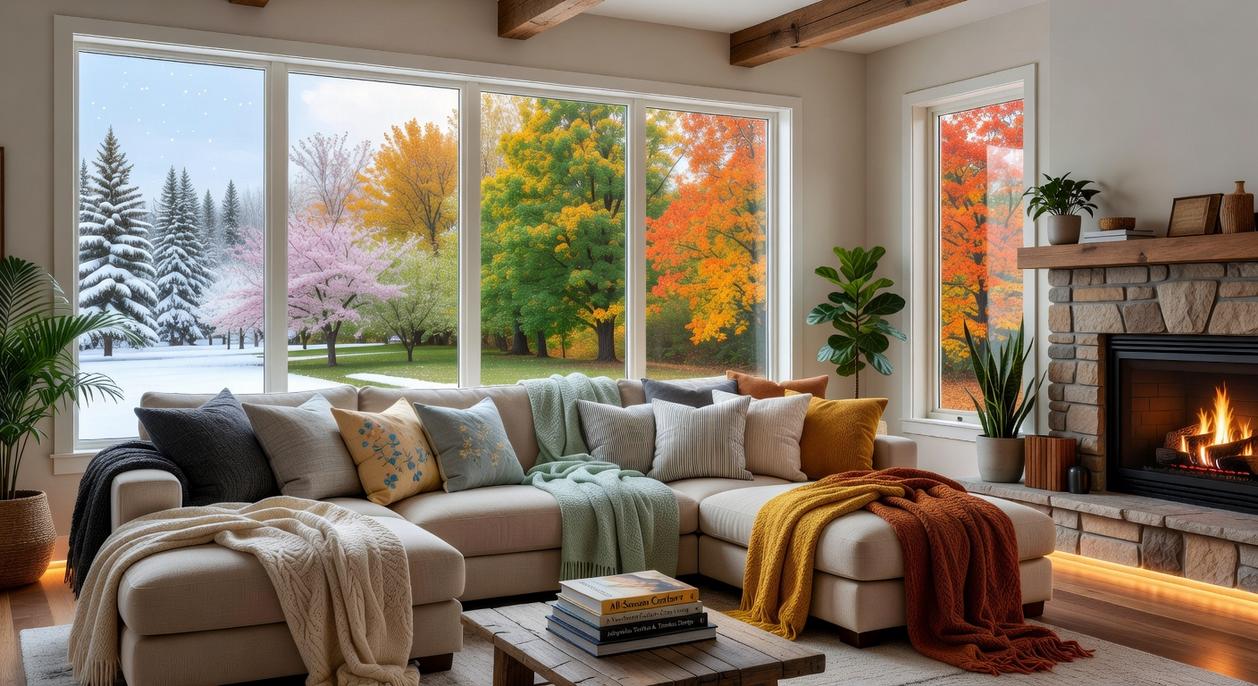
Some homes feel perfect in spring yet drafty in winter, stuffy in summer, or gloomy by fall. That inconsistency is frustrating. So, this guide offers a holistic blueprint for year-round home comfort that goes beyond adjusting the thermostat. Instead, we’ll fine-tune light, improve air quality, and plan for seasonal adaptability. For example, layering curtains controls heat loss, while ceiling fans redistribute warm air efficiently (yes, direction matters). Meanwhile, adding houseplants can reduce indoor pollutants, according to NASA studies. Pro tip: swap heavy bedding and bulbs seasonally. Ultimately, small, practical shifts create a sanctuary that feels balanced every single day throughout.
Mastering Your Home’s Core Climate
The Foundation of Comfort: Insulation
First and foremost, insulation acts as your home’s thermal barrier—the material that slows heat transfer between inside and outside. In colder regions like the Northeast, building codes often require higher R-values (a measure of insulation’s resistance to heat flow) in attics because heat rises and escapes upward. Meanwhile, in humid Southern climates, crawl space encapsulation helps block moisture that can sabotage efficiency. Proper attic, wall, and crawl space insulation stabilizes indoor temperatures and reduces strain on HVAC systems (which, frankly, have enough to handle in peak July).
Sealing the Gaps
However, even the best insulation can’t win against unchecked air leaks. Drafts around window casings, door frames, recessed lighting, and electrical outlets are common culprits. Use weatherstripping, caulk, or expanding foam to seal these gaps. A simple smoke pencil test—watching how smoke moves near suspected leaks—can reveal hidden airflow. Pro tip: Check rim joists in basements; they’re notorious energy escape routes in older homes.
Smart Temperature Control
Next, consider upgrading to a programmable or smart thermostat. These devices automate temperature setbacks when you’re asleep or away, optimizing efficiency without sacrificing comfort. Many integrate with local utility demand-response programs, lowering bills during peak load times.
HVAC Health Check
Finally, routine maintenance is essential for year-round home comfort. Change filters every 1–3 months and schedule professional servicing before heating or cooling season. Think of it like a wellness check for your furnace and AC—preventative care beats emergency repairs every time.
Harnessing Light to Shape Your Space
Light isn’t just functional—it’s transformative. In my opinion, the difference between a flat, lifeless room and one that feels magazine-worthy often comes down to how you use light (not how much you spend on furniture).
Maximizing Natural Light
Daylight is free design magic. Use light-colored paint—think soft whites or warm neutrals—to reflect sunlight deeper into a room. Strategically placed mirrors bounce light around (yes, they’re basically optical illusions for grown-ups). And please, keep windows clean and unobstructed; grime can reduce incoming light by up to 30% (U.S. Department of Energy). Natural light boosts mood and productivity, which is reason enough to prioritize it.
The Power of Layered Lighting
Relying on one ceiling fixture? I’m not a fan. Layered lighting blends:
- Ambient lighting: your main, overall glow.
- Task lighting: focused light for reading or cooking.
- Accent lighting: dramatic highlights for art or architectural details.
Designers widely recommend layering because it adds depth and flexibility (American Lighting Association). When combined thoughtfully, these layers create comfort and visual interest.
Control Is Key
Install dimmers. Full stop. They allow you to shift from bright morning productivity to relaxed evening calm—supporting year-round home comfort. (Pro tip: Use dimmers in dining areas to instantly elevate dinner parties.)
Choosing the Right Glow
Color temperature matters. Warm light (2700K–3000K) feels cozy—ideal for living rooms and bedrooms. Cool light (3500K–4100K) promotes alertness, making kitchens and workspaces shine. The right glow shapes the mood before anyone even notices the decor.
The Unseen Elements: Air Quality and Humidity
Breathe Easier
Indoor air quality refers to the condition of the air inside your home—specifically how free it is from pollutants like dust, volatile organic compounds (VOCs), and excess moisture. Poor air quality has been linked to headaches, allergies, and fatigue (EPA). Yet competitors often focus only on décor, not the invisible atmosphere shaping how you actually feel in a space. Think of it like the soundtrack in a movie—barely noticed when done right, but distracting when it’s off.
Promoting Healthy Airflow
Ventilation simply means replacing stale indoor air with fresh outdoor air. Opening windows for even 10–15 minutes daily can reduce indoor pollutants. Kitchen and bathroom exhaust fans remove moisture and odors at the source (CDC). Pro tip: run the fan for 20 minutes after showering to prevent hidden mold buildup.
The Humidity Balance
Humidity is the amount of moisture in the air. Ideally, indoor levels stay between 30–50% (EPA). In summer, dehumidifiers prevent dampness and musty odors. In winter, humidifiers combat dry skin and static electricity (yes, the shocking doorknob moment). Balanced humidity supports year-round home comfort and protects wood furniture from cracking.
Natural Air Purifiers
Certain houseplants—like snake plants and peace lilies—are known for filtering airborne toxins (NASA Clean Air Study). While some argue plants make minimal impact alone, combined with ventilation and filtration they create measurable improvement. For broader eco-conscious strategies, explore sustainable living at home practical changes that make a difference. (Your lungs will thank you.)
Adapting Your Decor with the Seasons
In winter, focus on warmth you can see and feel. Layer plush area rugs over bare floors, hang heavy thermal drapes, and add wool, flannel, or velvet throws to sofas and beds. It’s a simple swap that traps heat and makes rooms instantly cozier.
In summer, reverse the strategy. Choose lightweight linen or cotton bedding and curtains, and switch to breathable jute or sisal rugs. These materials improve airflow and reduce that sticky, overheated feeling.
For year-round home comfort, adjust window treatments strategically. Use blinds or lined curtains to block harsh afternoon sun in summer, then open them wide in winter to invite natural warmth.
Pro tip: Clean windows seasonally to maximize light and insulation. It’s practical, not complicated.
Comfort at home is less like flipping a switch and more like tending a garden. It thrives on attention. To achieve year-round home comfort, focus on four pillars: 1. Mastering climate, 2. Controlling light, 3. Managing air quality, and 4. Adapting seasonally. In other words, think of your house as a living organism; when one system shifts, the others respond. However, comfort is not static. Temperatures change, daylight moves, air grows stale. Small, intentional adjustments keep everything balanced. Ultimately, these habits transform rooms into a sanctuary that shields you from the weather outside. This week, choose one pillar and begin.
Bring Comfort and Style Together in Every Season
You came here looking for practical ways to create a home that feels inviting, functional, and beautiful all year long—and now you have the tools to do exactly that. From smart space optimization to thoughtful design details, you’ve seen how small, intentional changes can completely transform how your home looks and feels.
Struggling with rooms that feel cluttered, uncomfortable, or outdated can be frustrating. Your home should support your lifestyle, not work against it. By applying these styling ideas and layout strategies, you can finally enjoy year-round home comfort without constant redesigns or costly renovations.
Now it’s time to take action. Start with one room, implement the tips that resonated most, and build momentum from there. If you want more expert-backed design inspiration and proven makeover strategies, explore our latest guides and resources today. Join thousands of homeowners who trust our top-rated advice to simplify their space and elevate their living—start your transformation now.