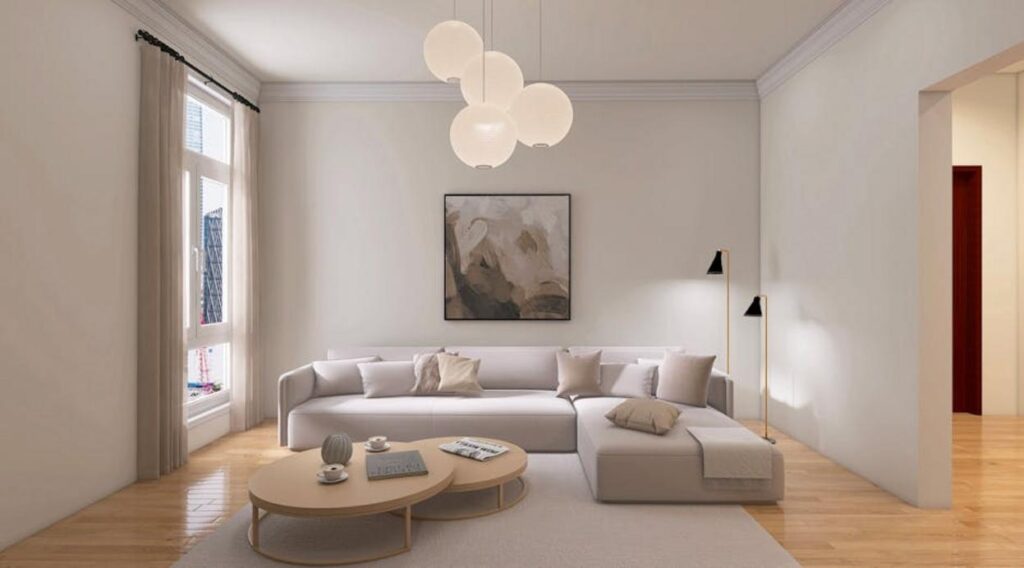

If you’re searching for fresh ways to elevate your home, you’re in the right place. Whether you want to refresh a single room or completely rethink your layout, this guide is designed to help you make confident, stylish decisions that reflect your personality and fit your space. From essential design principles to clever space optimization techniques, we break down what truly works in modern interiors—and why.
You’ll discover practical makeover tips, smart layout strategies, and expert-backed insights into color, texture, lighting, and statement decor styling that can instantly transform the feel of your home. Every recommendation is grounded in proven interior design practices and informed by current home living trends, ensuring ideas that are both beautiful and functional.
If your goal is to create a space that feels intentional, inviting, and uniquely yours, this article will give you clear direction, actionable ideas, and the inspiration to bring your vision to life.
The One Piece That Changes Everything
A room without a focal point is like a story without a plot—technically complete, yet forgettable. One bold statement piece acts as the headline act, turning background noise into a standing ovation. Think of it as the red lipstick of your living room: small addition, dramatic shift.
In statement decor styling, the goal isn’t clutter—it’s clarity. One striking item anchors the space and guides the eye.
| Ordinary Room | With Statement Piece |
|—————|———————|
| Functional | Memorable |
| Neutral | Expressive |
| Scattered | Cohesive |
Choose something that tells your story—and let it speak loudly.
What defines a ‘statement piece’? It’s not just size. Designers often tell me, “Bigger doesn’t mean bolder.” A true statement piece is an item that commands attention through distinct design, color, texture, or form. It stops you mid-step. That’s the test.
Interior stylist Maria Lopez once said, “If everything shouts, nothing is heard.” In design terms, a focal point is the visual anchor—the element your eye lands on first. It grounds the room and guides everything else. Think of the emerald sofa in a neutral loft or a sculptural light fixture hovering like art (yes, the one guests photograph before sitting down).
Some argue multiple standout items create personality. But that often becomes clutter—many small objects competing for attention, creating visual noise. The Rule of One suggests the opposite: build around a single powerful element. Done right, statement decor styling simplifies choices and sparks conversation: “Where did you find that?”
How to Choose the Perfect Piece for Your Home and Style
I once bought a massive abstract canvas on impulse because it looked “so chic” in the gallery. At home? It swallowed my tiny living room whole. Lesson learned: choosing the perfect piece isn’t about trends—it’s about harmony.
Harmonize with Your Existing Style
Start by identifying your room’s core aesthetic (its dominant design personality). Is it minimalist (clean lines, neutral palette), bohemian (layered textures, global accents), modern, or traditional? Your feature piece should either complement that look or intentionally contrast it.
Some argue a statement piece should always clash for drama. I disagree. Contrast works best when it’s deliberate, not chaotic (there’s a fine line between bold and “what happened here?”). If you need inspiration, explore these 10 interior styling ideas to refresh your living room.
Mastering Scale and Proportion
Scale refers to how large an object is compared to the room and surrounding furniture. A towering sculpture in a compact space feels cramped. A tiny artwork on a wide wall disappears.
- Measure your wall before buying.
- Let the piece command attention—without overwhelming.
- Step back and view it from multiple angles.
(Pro tip: Use painter’s tape to outline dimensions on your wall first.)
A Guide to Color
Decide the color role. Will it:
- Add a bold accent to a neutral room?
- Introduce texture in a similar shade for depth?
Color psychology research shows hues can influence mood (Küller et al., 2009), so choose intentionally.
Function Meets Form
In statement decor styling, your piece can be decorative or functional—a sculptural chair, dramatic light fixture, or art-forward coffee table. When form and function align, your space feels curated, not cluttered (think less storage unit, more magazine spread).
The Art of Placement: Turning Your Piece into a Powerful Focal Point
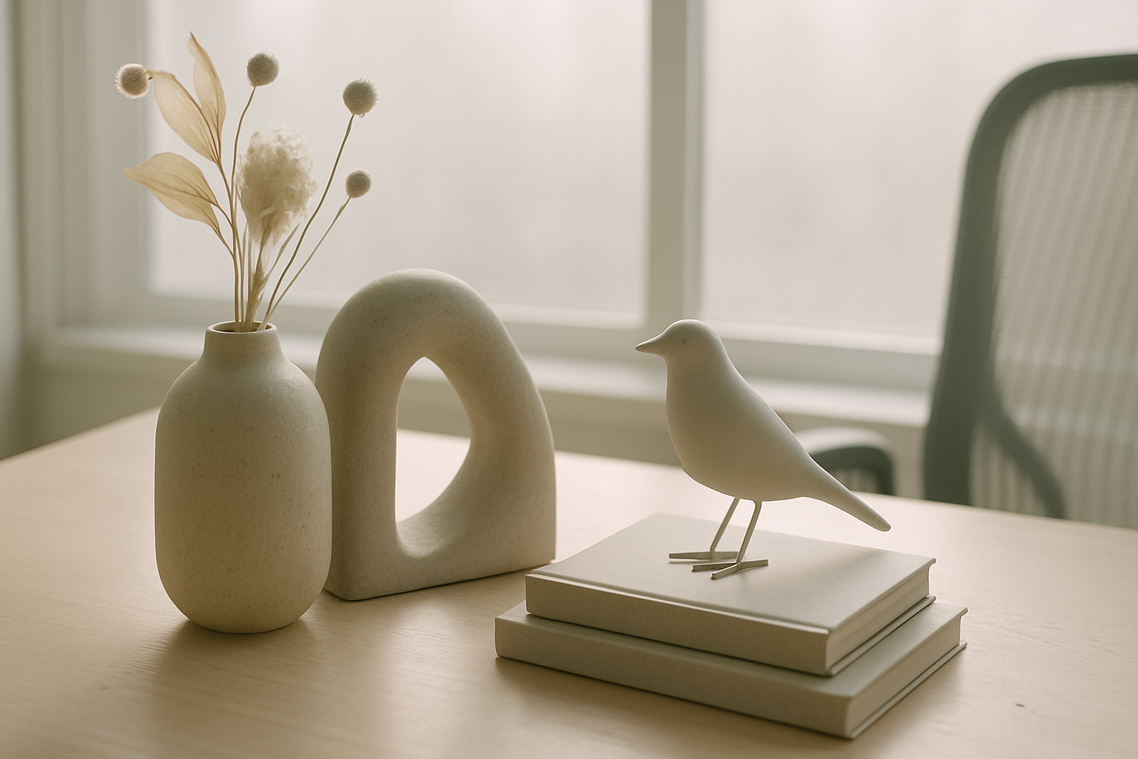
Walk into any well-designed room and you’ll feel it instantly. Your eyes land somewhere specific. Designers call this the “Power Wall”—the first surface your gaze naturally settles on when you enter a space. Often, it’s the wall behind the sofa or directly opposite the doorway. “Stand at the entrance,” a stylist once told me, “and notice where your body pauses. That’s your focal point.” In other words, your room is already giving you instructions.
However, placement alone isn’t enough. You also need restraint. The biggest mistake? Crowding your feature. Negative space—the empty area surrounding an object—acts like a spotlight. It isolates your piece so it doesn’t visually compete with shelves, frames, or busy patterns. Think of it like a museum display (no one hangs the Mona Lisa between two light switches). When in doubt, remove one nearby item and see if the room feels calmer.
Next, illuminate your investment. Lighting changes everything. A floor lamp angled upward, a discreet ceiling spotlight, or even positioning the piece to catch morning light can dramatically heighten its presence. As one homeowner said after adjusting her lighting, “It’s the same artwork, but now it feels alive.”
Finally, create visual balance. Once your focal point is set, arrange furniture to support it—not overshadow it. Your statement piece is the lead actor; everything else is supporting cast. This is the essence of statement decor styling: intention, breathing room, and thoughtful harmony working together.
Inspiring Statement Ideas to Elevate Your Living Space
When it comes to bold interiors, bigger isn’t always better—but sometimes it absolutely is. Take oversized wall art vs. a gallery wall. A single large-scale painting instantly sets the room’s color palette and mood, whereas a gallery wall tells a layered story through multiple frames. If you want clarity and drama, go big; if you prefer personality and evolution, go curated.
Similarly, unique accent furniture vs. neutral staples creates a different energy. A velvet armchair in emerald green commands attention, while a beige chair quietly blends in. One sparks conversation (the “Where did you get that?” effect); the other prioritizes flexibility.
Then there’s dramatic lighting vs. standard fixtures. An oversized chandelier doubles as sculpture, whereas recessed lights simply illuminate.
Finally, large-scale greenery vs. small plants shifts impact. A Fiddle Leaf Fig anchors a corner; tiny succulents accessorize it.
Ultimately, statement decor styling works best when you choose one hero piece—and let it shine.
Crafting a living space that’s authentically you starts with ONE bold decision: choose a focal point. A statement piece is a single eye-catching item that anchors a room. Think of it as the lead actor on design stage (yes, even your sofa can have star power).
Follow these steps:
- Identify the wall, corner, or nook that feels flat.
- Measure the space so scale works.
- Select one item that reflects your story—travel art, a vintage mirror, or a sculptural lamp.
This is statement decor styling. Keep surrounding pieces simple so the spotlight stays STRONG and intentional. OWN it
Bring Your Vision to Life with Statement Decor Styling
You came here looking for practical, inspiring ways to elevate your space—and now you have the tools to do exactly that. From essential design elements to smart space optimization techniques, you’re equipped to transform ordinary rooms into intentional, beautiful environments that truly reflect your lifestyle.
If you’ve been feeling stuck with a space that looks unfinished, cluttered, or lacking personality, that frustration doesn’t have to continue. The right statement decor styling approach ties everything together, adds depth, and instantly upgrades the feel of your home without requiring a full renovation.
Now it’s time to take action. Start with one room. Choose one focal piece. Apply the styling principles you’ve learned and build from there. If you want expert-backed guidance that simplifies the process and delivers real results, explore our proven home styling resources today. Thousands of design-savvy homeowners trust our tips to turn overwhelming spaces into beautifully balanced homes—now it’s your turn.