

Creating a space that feels both functional and beautiful can be overwhelming. Whether you’re redesigning a single room or rethinking your entire home layout, you’re likely searching for practical guidance that actually works in real homes—not just in magazines. This article is designed to help you make confident design decisions, maximize your space, and align your interiors with your everyday lifestyle.
We’ve drawn on proven interior styling principles, space optimization strategies, and insights commonly recommended by experienced designers to ensure the advice you’ll find here is both realistic and results-driven. Instead of vague inspiration, you’ll get clear, actionable tips you can apply immediately.
From essential design elements to smart layout adjustments and simple makeover ideas, this guide will walk you through the steps to create a home that feels cohesive, comfortable, and uniquely yours.
Design That Feels Like Exhale
Your home should restore you, not drain you. Research shows clutter elevates cortisol levels (UCLA Center on Everyday Lives of Families), yet most advice stops at “declutter.” True well-being comes from aligning spaces with behavior. Start by mapping your home layout and lifestyle once—notice friction points like crowded entryways or harsh lighting.
- Reposition seating to support conversation and eye contact.
- Layer warm lighting to mimic sunset cues (sleep researchers link this to melatonin release).
- Create a micro-retreat corner.
Some argue aesthetics are superficial. But environment shapes habit. Pro tip: edit before you buy.
The Psychology of Space: How Your Environment Shapes Your Mood
Environmental psychology—the study of how physical spaces influence human behavior—suggests your surroundings constantly send signals to your brain. Light affects circadian rhythms (your internal body clock), color influences emotional response, and clutter increases cortisol, the stress hormone (American Psychological Association). In other words, your space is never neutral.
At first glance, design seems cosmetic. However, there’s a critical difference between making a room look good and making it feel good. A stunning living room with nowhere comfortable to sit is like a movie set—beautiful, but impractical (and slightly exhausting). Function must lead form.
Consider the claustrophobic kitchen. Cabinets that block pathways, poor lighting over prep areas, and appliances placed without flow create daily friction. You bump into corners, shuffle sideways, and feel rushed before coffee. By contrast, a kitchen designed for movement and visibility reduces micro-stressors and supports calm efficiency.
Looking ahead, it’s reasonable to speculate that future design trends will prioritize mental wellness over pure aesthetics. As remote work continues, home layout and lifestyle alignment may become a central selling point rather than an afterthought.
Ultimately, every design decision—color, placement, lighting—is an opportunity to support or sabotage your well-being.
Natural light is, in my view, the most underrated design tool in any home. Research shows it regulates circadian rhythms—the internal body clock that controls sleep and wake cycles—and directly influences mood (Harvard Health Publishing). Spaces flooded with daylight tend to feel open, focused, and emotionally lighter. On the other hand, dim rooms can quietly drain energy (and patience). That’s why I always suggest maximizing what you already have. Start with sheer curtains instead of heavy drapes. Then, position mirrors opposite windows to bounce sunlight deeper into the room. Finally, choose light-reflecting paint colors like soft white or pale greige.
Color, meanwhile, shapes emotion just as powerfully. In my experience, blues and greens create instant calm because they echo nature—think ocean horizons or forest trails. They’re ideal for bedrooms and quiet reading corners. By contrast, yellows and oranges stimulate conversation and creativity; I love them in kitchens or studios where energy matters. Neutrals—beiges, grays, and whites—act as visual exhale. They reduce visual noise and support a flexible backdrop that adapts to your home layout and lifestyle.
Still, some argue color psychology is subjective. Fair point. But even if preferences vary, consistent exposure to certain hues has been linked to measurable mood shifts (University of British Columbia). If you’re unsure where to begin, start small. I recommend transforming one bedroom with a new paint color or layered lighting and noticing the shift. You’ll feel the difference almost immediately, and that momentum makes larger changes far less intimidating. Trust your instincts here.
Creating Flow: The Art of Intentional Living Arrangements
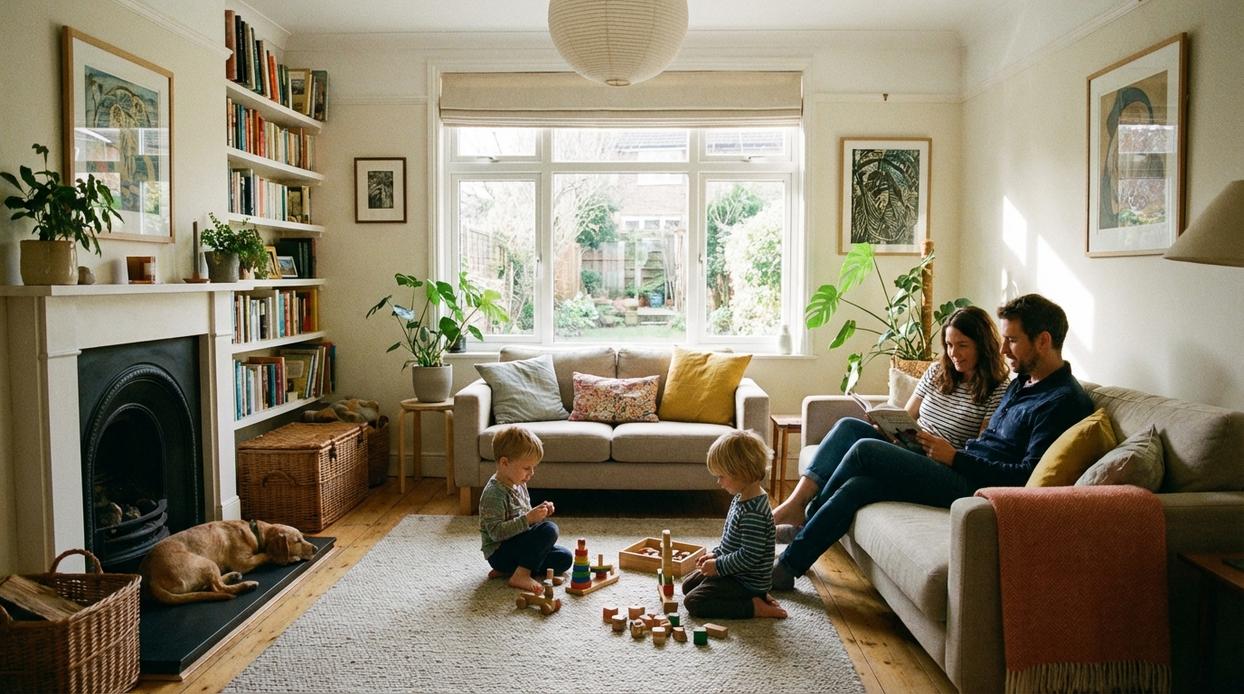
I once lived in a studio where I had to sidestep a coffee table just to reach the kitchen. It looked stylish—but living there felt like navigating an obstacle course (not exactly the peaceful vibe I was going for). That’s when I first understood the power of flow.
Flow simply means you can move through and use your space easily and intuitively, without obstacles or awkwardness. When a room has good flow, everything feels natural—like the layout is quietly supporting you instead of working against you.
So how do you create it? Start with zoning. Zoning is the practice of dividing a space into purposeful areas. Even in a small studio, a rug can define a living zone, a bookshelf can subtly separate a sleeping nook, and a slim desk can carve out a work corner. Suddenly, one room functions like three. (It’s a bit like stage design—each area has its role.)
Next, treat furniture as a strategic tool. A common myth is that pushing everything against the walls makes a room feel bigger. In my experience, pulling seating slightly inward creates cozy conversational nooks and improves balance. At the same time, always maintain clear pathways—ideally 30–36 inches for comfortable movement, according to interior design guidelines from the NKBA.
Finally, embrace multi-functional pieces. An ottoman with storage or a fold-out desk reduces clutter while maximizing utility. Pro tip: if an item serves only one purpose, question whether it earns its footprint.
Ultimately, great design aligns your home layout and lifestyle—so your space works with you, not against you. For a glimpse at what’s next, explore future homes how technology is changing residential design.
The Power of Decluttering: Less Stuff, More Serenity
Clutter isn’t just visual noise—it’s cognitive load, the mental effort required to process your surroundings. Studies in environmental psychology suggest excessive clutter can elevate cortisol, the stress hormone (University of California, Los Angeles). Think of it like having 37 browser tabs open in your brain. Over time, that friction shapes your home layout and lifestyle in subtle ways.
Some argue clutter is creative chaos. Fair. But speculation: as remote work continues rising, minimalist spaces may become the norm for mental clarity.
Try the One In, One Out rule.
Start with a 15-minute coffee table sweep—small wins build momentum.
You now have the core principles to create a home that truly supports your well-being. Yet a misaligned environment breeds daily friction and low-grade stress, like a door that creaks every morning. The good news? Intentional shifts in light, color, flow, and clutter can soften harsh glare, quiet visual noise, and let rooms breathe.
This week, choose one strategy and act:
- Clear your entryway so you feel calm the moment you step inside.
- Swap heavy curtains for lighter ones and watch sunshine warm your walls.
Notice how your home layout and lifestyle begin to feel lighter and brighter.
Bring Your Vision to Life
You came here looking for clarity on how to elevate your home layout and enhance your lifestyle—and now you have practical ideas, styling guidance, and space‑smart strategies to make it happen. From optimizing every square foot to refining the design details that truly matter, you’re equipped to turn frustration into flow and transform underused rooms into spaces you love.
An unbalanced layout or uninspired interior can make daily living feel chaotic and cramped. But with the right design approach, your home can feel intentional, functional, and beautifully aligned with the way you live.
Now it’s time to take action. Don’t let outdated spaces or poor flow hold you back. Get expert-backed design inspiration, proven space optimization techniques, and trusted makeover tips that make a real difference. Start transforming your space today and create a home that finally works for you.