If you’re looking for smart ways to maximize vertical space at home, you’re likely dealing with limited square footage, cluttered rooms, or simply a desire to make your space feel bigger and more functional. The good news? You don’t need a full renovation to transform how your home looks and works. With the right design strategies, unused walls, awkward corners, and overlooked vertical areas can become practical, stylish storage and display solutions.
In this article, you’ll discover proven space-optimization techniques, clever storage ideas, and interior styling approaches that help you think beyond floor space. From vertical shelving concepts to layout adjustments that instantly open up a room, we’ll walk you through practical, achievable upgrades. Our recommendations are grounded in real-world interior design principles and space-planning best practices, ensuring every tip is both visually appealing and highly functional. By the end, you’ll have clear, actionable ideas to create a home that feels taller, lighter, and far more organized.
Look Up—Your Ceiling Is Begging for Attention
First things first: if your floor is crowded, stop blaming the square footage. The real culprit might be gravity. Most homes forget the golden rule of design—when in doubt, look up. To maximize vertical space at home means using walls, ceilings, and tall shelving to store or display items instead of cramming everything at eye level (your books deserve better than a wobbly stack).
For example, install floating shelves in the living room, tall cabinets in the kitchen, or wall hooks in entryways. Meanwhile, think of vertical space as your home’s untapped skyscraper potential—minus the elevator music.
The Vertical Mindset: Why Looking Up is the New Building Out
Most homes focus on square footage. However, the real opportunity lives in cubic footage—the usable volume from floor to ceiling. Every square foot you stand on holds untapped potential above it (yes, even that awkward space over the door frame).
To maximize vertical space at home, shift from spreading out to stacking smart. This isn’t just about adding shelves. It’s about rethinking how a room functions.
- Reduce visual noise: Lifting storage above eye level clears sightlines, making rooms feel calmer and more intentional.
- Create defined zones: Vertical segmentation separates work, leisure, and storage areas without adding walls.
- Improve accessibility: Frequently used items placed between waist and shoulder height reduce bending and digging.
Some argue vertical storage feels crowded. Yet when executed thoughtfully—with spacing and symmetry—it actually draws the eye upward, creating perceived height and openness. The result? A space that feels larger, cleaner, and psychologically lighter (like giving your room room to breathe).
The High-Function Kitchen: From Countertop Chaos to Wall-Mounted Order
“I don’t have a small kitchen,” a friend once insisted, staring at her cluttered counters. “It just feels small.” That’s the difference function makes.
First, utilize the wall space above counters. Floating shelves—minimal, open ledges mounted to the wall—keep everyday dishes or spice jars within reach while freeing cabinet space. A wall-mounted magnetic knife strip (a magnetized bar that holds blades securely) replaces the bulky knife block hogging your counter. As one home chef told me, “Once the knives went on the wall, I could finally see my backsplash again.” Small shift, big visual exhale.
Next, leverage under-cabinet real estate. Install stemware racks to suspend glasses safely upside down, or add hooks for coffee mugs. It’s practical, yes—but it also feels intentional. (And let’s be honest, mugs deserve better than being crammed in the back corner.)
Then, turn to pantry and cabinet inserts. Tiered shelf organizers—stacked platforms that elevate items in layers—let you see everything at a glance. Over-the-door organizers transform forgotten door space into storage powerhouses for spices or cleaning supplies.
If you want more hidden storage ideas that instantly declutter your home, remember this principle: maximize vertical space at home. Because when everything rises to its place, the chaos finally settles.
Living Room & Bedroom: Merging Storage with Style
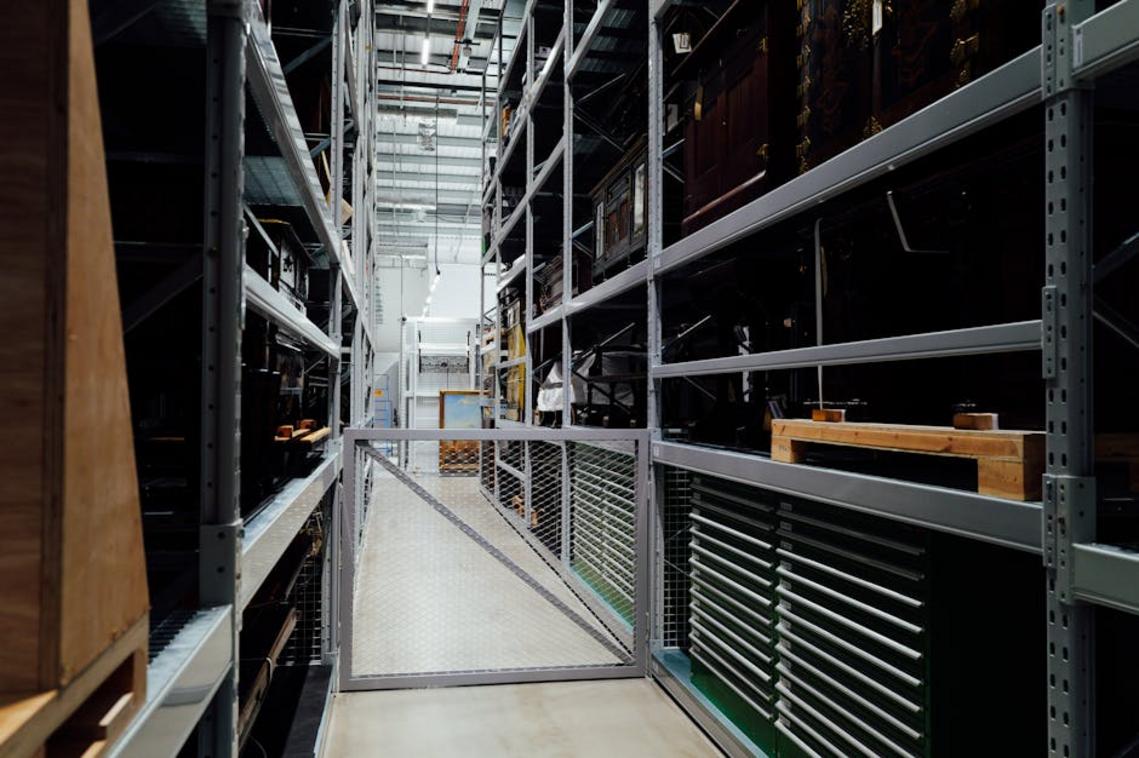
As homes shrink and design standards rise, storage can’t just be practical—it has to look intentional. Take floating and cantilever shelving. Unlike traditional bookcases, these wall-mounted units appear to “float,” meaning their brackets are hidden inside the structure. The result is a clean, minimalist display for books, art, and plants. Arrange them asymmetrically for a modern, gallery-inspired feel (think less sitcom set, more design magazine spread). Some argue open shelving collects dust and visual clutter. Fair point. Yet with thoughtful curation—limiting items to what you truly love—it becomes functional art rather than storage overload.
Meanwhile, leaning and ladder bookcases offer vertical storage with a small footprint. Because they rest against the wall instead of mounting into it, they’re renter-friendly and architectural without being bulky. In fact, designers predict we’ll see more modular ladder systems in the coming years, adapting as people move more frequently (speculation, but it aligns with rising rental trends reported by housing studies).
Finally, wall-mounted nightstands and media consoles free up floor space, making rooms feel larger and easier to clean. If you want to maximize vertical space at home, this approach blends serenity with smart design—proof that less furniture can actually do more.
Maximizing Micro-Spaces: The Bathroom & Closet Revolution
Small rooms get a bad rap. Critics argue that limited square footage means limited potential. But that thinking ignores one powerful principle: when you maximize vertical space at home, you create storage where none seemed possible (yes, even above the toilet).
The Bathroom Oasis
That empty wall above your toilet? It’s prime real estate. Install shelving or an étagère—an open, freestanding shelving unit designed to rise vertically—to store towels, candles, or neatly decanted toiletries. Add wall-mounted caddies or tension-rod shelving (a spring-loaded rod that fits snugly between walls) inside the shower for shampoos and soaps.
Some say extra shelving makes bathrooms feel cramped. Fair point. But visual clutter—not shelving itself—is the real culprit. Use matching containers and keep colors cohesive for a spa-like effect. Think upward, not outward.
Closet Optimization
Double your hanging capacity with a second rod beneath the first. Use hanging fabric shelf organizers for sweaters and shoes, and mount hooks or a pegboard for belts and bags. A pegboard—popularized in workshops—lets you rearrange hooks as your needs change (kind of like adult LEGO for storage).
Wondering what’s next? Consider lighting. Stick-on LED strips can dramatically improve visibility and reduce forgotten items.
The Power of Doors
Over-the-door hooks and clear-pocket organizers turn forgotten surfaces into storage goldmines. If you’re worried about bulk, choose slimline designs.
Pro tip: Before buying anything, measure twice. Vertical success depends on precision.
Clutter feels overwhelming when floor space runs out, but the fix is simpler than it sounds. To maximize vertical space at home, think of your walls as unused real estate—blank canvases waiting for shelves, hooks, or cabinets. In other words, you’re not adding more stuff; you’re relocating it upward. That shift frees walking areas and reduces visual noise. For example, a floating shelf above a desk turns empty air into practical storage. Meanwhile, tall bookcases draw the eye up, which makes ceilings feel higher (a small optical illusion that works like movie-set design). Start small: install one shelf this weekend.
Bring Your Space to Life Starting Today
You came here looking for smart, practical ways to make your home feel bigger, more functional, and beautifully styled. Now you have the strategies to do exactly that — from smart storage solutions to layout adjustments that help you maximize vertical space at home without sacrificing style.
The frustration of cluttered rooms, wasted wall space, and cramped layouts doesn’t have to continue. Small design shifts create big visual impact, and when every inch works for you, your home starts to feel calmer, lighter, and more intentional.
Now it’s time to act. Choose one room and implement one vertical upgrade today — install shelving, add tall cabinetry, or rethink wall-mounted storage. Then build from there.
If you’re ready to transform tight spaces into beautifully optimized rooms, explore more expert-backed styling ideas and space-saving strategies designed to solve real home challenges. Start your next upgrade now and turn overlooked space into your home’s greatest asset.
 Trevella Veythanna is the kind of writer who genuinely cannot publish something without checking it twice. Maybe three times. They came to interior styling ideas through years of hands-on work rather than theory, which means the things they writes about — Interior Styling Ideas, Decorad Space Optimization Techniques, Curious Insights, among other areas — are things they has actually tested, questioned, and revised opinions on more than once.
That shows in the work. Trevella's pieces tend to go a level deeper than most. Not in a way that becomes unreadable, but in a way that makes you realize you'd been missing something important. They has a habit of finding the detail that everybody else glosses over and making it the center of the story — which sounds simple, but takes a rare combination of curiosity and patience to pull off consistently. The writing never feels rushed. It feels like someone who sat with the subject long enough to actually understand it.
Outside of specific topics, what Trevella cares about most is whether the reader walks away with something useful. Not impressed. Not entertained. Useful. That's a harder bar to clear than it sounds, and they clears it more often than not — which is why readers tend to remember Trevella's articles long after they've forgotten the headline.
Trevella Veythanna is the kind of writer who genuinely cannot publish something without checking it twice. Maybe three times. They came to interior styling ideas through years of hands-on work rather than theory, which means the things they writes about — Interior Styling Ideas, Decorad Space Optimization Techniques, Curious Insights, among other areas — are things they has actually tested, questioned, and revised opinions on more than once.
That shows in the work. Trevella's pieces tend to go a level deeper than most. Not in a way that becomes unreadable, but in a way that makes you realize you'd been missing something important. They has a habit of finding the detail that everybody else glosses over and making it the center of the story — which sounds simple, but takes a rare combination of curiosity and patience to pull off consistently. The writing never feels rushed. It feels like someone who sat with the subject long enough to actually understand it.
Outside of specific topics, what Trevella cares about most is whether the reader walks away with something useful. Not impressed. Not entertained. Useful. That's a harder bar to clear than it sounds, and they clears it more often than not — which is why readers tend to remember Trevella's articles long after they've forgotten the headline.