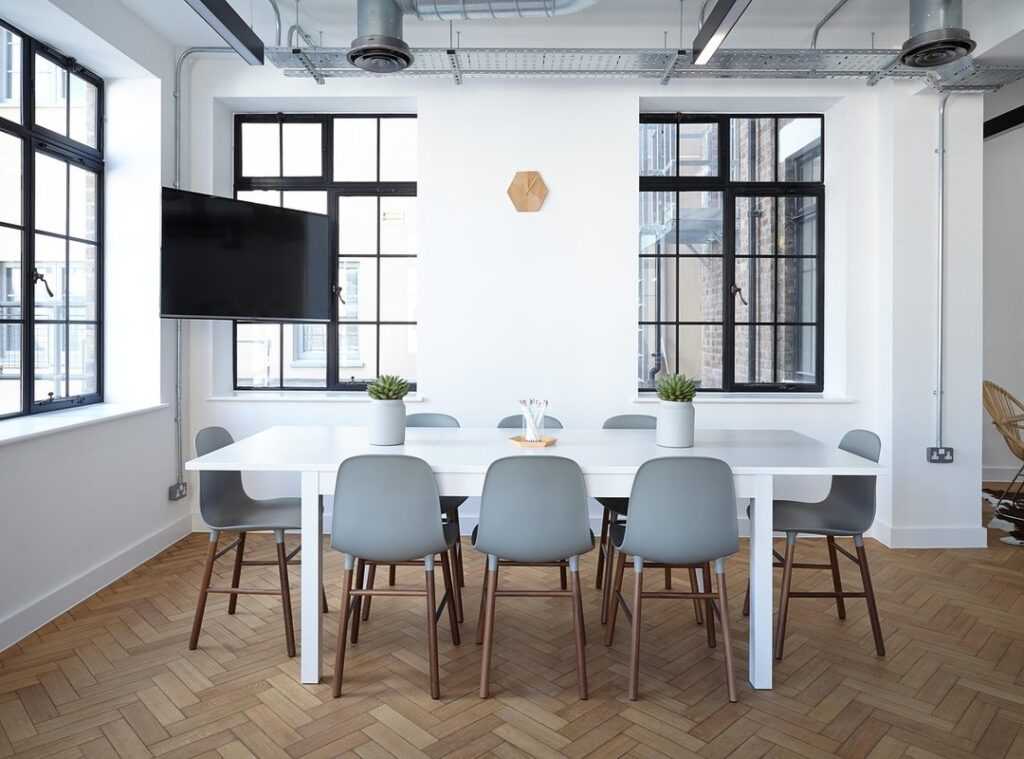

Creating a home that feels both functional and inspiring doesn’t happen by accident. If you’re searching for practical ways to elevate your space, refine your interior design, or transform the overall mood of a room without overspending, you’re in the right place. This article is designed to give you clear, actionable guidance—whether you’re refreshing a single corner or planning a full makeover.
We focus on the elements that truly make a difference: smart layout decisions, balanced color choices, lighting strategies, texture layering, and space optimization techniques that work in real homes. Every recommendation is grounded in proven design principles and hands-on styling experience, ensuring advice you can trust and apply immediately.
By the end, you’ll understand how to highlight your home’s strengths, correct common design mistakes, and create a cohesive look that reflects your personality while enhancing comfort and functionality.
Walk into a room where the lighting is soft, the colors harmonize, and everything feels intentional. That sense of ease is no accident.
Ambiance is the intangible mood or character of a space, the subtle thread that turns a house into a home. Many rooms look styled yet feel disjointed because interior design and mood aren’t aligned.
Follow this framework:
- Choose a clear color palette and repeat it in textiles.
- Layer lighting: overhead, task, and ambient.
- Add one grounding texture, like wood or linen.
Pro tip: edit ruthlessly; remove one item per surface. Small, deliberate shifts create cohesive, welcoming retreats.
The art of illumination begins with one truth: lighting is the single most powerful tool for shaping a room’s tone. Paint and furniture matter, of course, but without the right glow, even the most thoughtful interior design and mood strategy falls flat.
First, understand the three essential layers. Ambient lighting is your overall illumination—the ceiling fixtures, recessed cans, or chandeliers that fill the space with general brightness. Task lighting is focused and practical, such as under-cabinet strips in a kitchen or a desk lamp for late-night reading. Accent lighting, meanwhile, highlights artwork, textured walls, or architectural details, adding depth and drama.
Next, refine the details. Installing dimmers instantly transforms flexibility, allowing you to shift from energetic brightness to relaxed warmth in seconds (it’s like giving your room a volume knob). Choose bulb temperatures carefully: warm white (2700K–3000K) creates a cozy feel, while cool white (3500K–4100K) feels crisp and alert.
Finally, use natural light as your primary asset. Sheer curtains diffuse daylight for softness, whereas heavy drapes block glare and create intimacy. Pro tip: layer floor and table lamps at varying heights to eliminate harsh shadows and achieve balanced, inviting illumination. Thoughtful placement turns ordinary rooms into experiences. Every detail matters.
A Symphony of Surfaces: Using Color and Texture to Evoke Emotion
Color is often the first thing we notice in a room, and for good reason. Cool tones—like blues and greens—tend to create calm and spaciousness (think of a serene beach house or a spa). Warm tones—reds, oranges, and buttery yellows—bring energy and coziness, much like your favorite neighborhood café. This connection between color and emotion is known as color psychology, the study of how hues influence human behavior and feeling.
To keep things harmonious, use a cohesive color palette—a curated selection of colors that work well together. A simple way to apply this is the 60-30-10 rule: 60% dominant color (walls), 30% secondary color (upholstery), and 10% accent (pillows or art). For a step-bystep guide, explore this helpful color palette breakdown. Pro tip: test paint swatches in natural and artificial light before committing.
Equally important is texture, which prevents a space from feeling flat. Pair a soft velvet sofa with a rough-hewn wooden coffee table, or balance a smooth leather chair with a chunky knit throw. In interior design and mood building, these contrasts add depth, warmth, and lived-in character.
Beyond the Visual: Engaging Scent and Sound for Full Immersion
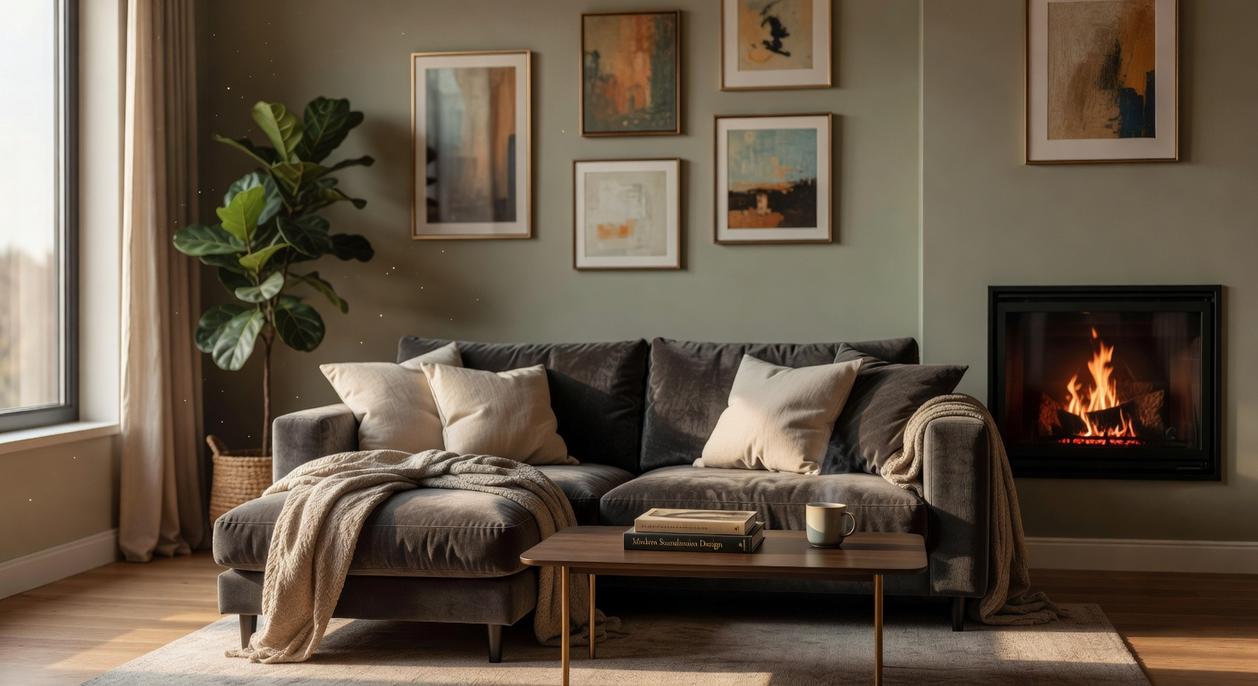
“Why does this room feel like a hotel spa?” a guest once asked. The answer wasn’t just color or furniture—it was scent-scaping, the practice of using fragrance to define a room’s character. Think of it as an invisible layer of interior design and mood working behind the scenes.
- Bedrooms: Lavender or chamomile can lower heart rate and improve sleep quality (National Sleep Foundation), making them ideal for winding down.
- Kitchens & Living Areas: Citrus, basil, or rosemary feel fresh and energetic—like opening windows on a spring morning.
Sound matters just as much. “Silence feels empty,” one homeowner told me, “but noise feels chaotic.” A curated playlist can shift energy instantly, while a small indoor fountain adds gentle white noise that masks traffic or humming appliances (a subtle fix most people overlook).
This layered approach echoes lessons from the history of interior design styles and their cultural roots. When scent and sound align, a space doesn’t just look beautiful—it lingers in memory.
The Architecture of Comfort: Arranging Your Space for Natural Flow
The way you position furniture quietly directs how people move, pause, and connect. In interior design and mood, layout is everything. A sofa facing the doorway invites conversation; one pressed against a wall can make a room feel distant (like guests are waiting for a bus).
Instead of lining every piece along the perimeter, create conversational groupings—chairs angled toward each other, a coffee table within easy reach, lighting that centers the gathering. This arrangement naturally encourages interaction.
Equally important is negative space—the empty areas around furniture. Negative space isn’t wasted space; it’s breathing room. It prevents visual clutter and makes a room feel open and serene.
Before buying anything new, try this practical reset:
- Empty the room completely.
- Reintroduce essential pieces one at a time.
- Walk the space and adjust for intuitive flow.
You’ll often discover comfort was hiding in plain sight.
Decorating fills a room; styling gives it a soul. I learned that after moving into a bland apartment with perfect furniture but zero warmth. Decorating is arranging pieces; styling is the artful layering of meaning and memory. When I finally placed my grandmother’s brass lamp beside framed travel sketches, the room changed overnight. Meaningful objects—family photographs, flea-market art, seashells from a windswept trip—tell your story without saying a word. That’s styling. Add life with houseplants, fresh flowers, or a bowl of seasonal fruit; they instantly lift interior design and mood. Start with one sentimental piece, then build around it. Pro tip.
YOUR HOME, YOUR ATMOSPHERE
Great ambiance doesn’t happen by accident—it’s BUILT through deliberate choices. Start by mastering light (swap to 2700K warm bulbs for softer evenings), layer color and texture with woven throws or matte ceramics, and engage the senses through subtle scents or soft-close hardware. Optimize flow by keeping 30–36 inches of walking space between key pieces. Finally, add personal touches—art, books, heirlooms—that anchor interior design and mood in your story. Some argue trends should lead, but timeless comfort wins (every time). Explore more ideas at this guide. Today, choose ONE room and change ONE element. Watch the shift happen.
Bring Your Space to Life with Confidence
You came here looking for clear, practical ways to elevate your home — and now you have the tools to do exactly that. From refining your interior design choices to shaping the right mood in every room, you’ve seen how intentional details can completely transform the way your space looks and feels.
A home that feels disorganized, uninspired, or disconnected can quietly drain your energy every day. The good news? Small, strategic changes can create a space that feels balanced, functional, and beautifully aligned with your lifestyle.
Now it’s time to take action. Start by applying one or two ideas you’ve discovered today — whether it’s reworking your layout, refreshing a focal point, or rethinking your lighting. If you’re ready for expert-backed guidance trusted by thousands of happy homeowners, explore more of our proven styling tips and makeover strategies today.
Don’t settle for a space that doesn’t inspire you. Transform your home into a place that truly feels like yours — start now.
 There is a specific skill involved in explaining something clearly — one that is completely separate from actually knowing the subject. Christophers Millerater has both. They has spent years working with home living highlights in a hands-on capacity, and an equal amount of time figuring out how to translate that experience into writing that people with different backgrounds can actually absorb and use.
Christophers tends to approach complex subjects — Home Living Highlights, Practical Home Makeover Tips, Interior Styling Ideas being good examples — by starting with what the reader already knows, then building outward from there rather than dropping them in the deep end. It sounds like a small thing. In practice it makes a significant difference in whether someone finishes the article or abandons it halfway through. They is also good at knowing when to stop — a surprisingly underrated skill. Some writers bury useful information under so many caveats and qualifications that the point disappears. Christophers knows where the point is and gets there without too many detours.
The practical effect of all this is that people who read Christophers's work tend to come away actually capable of doing something with it. Not just vaguely informed — actually capable. For a writer working in home living highlights, that is probably the best possible outcome, and it's the standard Christophers holds they's own work to.
There is a specific skill involved in explaining something clearly — one that is completely separate from actually knowing the subject. Christophers Millerater has both. They has spent years working with home living highlights in a hands-on capacity, and an equal amount of time figuring out how to translate that experience into writing that people with different backgrounds can actually absorb and use.
Christophers tends to approach complex subjects — Home Living Highlights, Practical Home Makeover Tips, Interior Styling Ideas being good examples — by starting with what the reader already knows, then building outward from there rather than dropping them in the deep end. It sounds like a small thing. In practice it makes a significant difference in whether someone finishes the article or abandons it halfway through. They is also good at knowing when to stop — a surprisingly underrated skill. Some writers bury useful information under so many caveats and qualifications that the point disappears. Christophers knows where the point is and gets there without too many detours.
The practical effect of all this is that people who read Christophers's work tend to come away actually capable of doing something with it. Not just vaguely informed — actually capable. For a writer working in home living highlights, that is probably the best possible outcome, and it's the standard Christophers holds they's own work to.