Ever dream of a lush garden, only to be thwarted by your tiny apartment? You’re not alone. Many of us live in spaces where sprawling green landscapes feel impossible.
But why should limited room crush your garden dreams?
I’ve spent years diving into home decor and space optimization. Trust me, turning walls and balconies into lively gardens is more doable than you think. Let’s talk vertical gardens space saving.
They’re not just a trend; they’re a lifesaver for cramped quarters.
This guide isn’t just another pretty Pinterest board. It’s grounded in practical advice and smart design. I’ll offer an analytical system to pick, plant, and sustain your own green haven.
By the end, you’ll have a foolproof plan to transform any small wall into a thriving oasis. Ready to start?
Vertical Gardens: The Ultimate Space-Saver
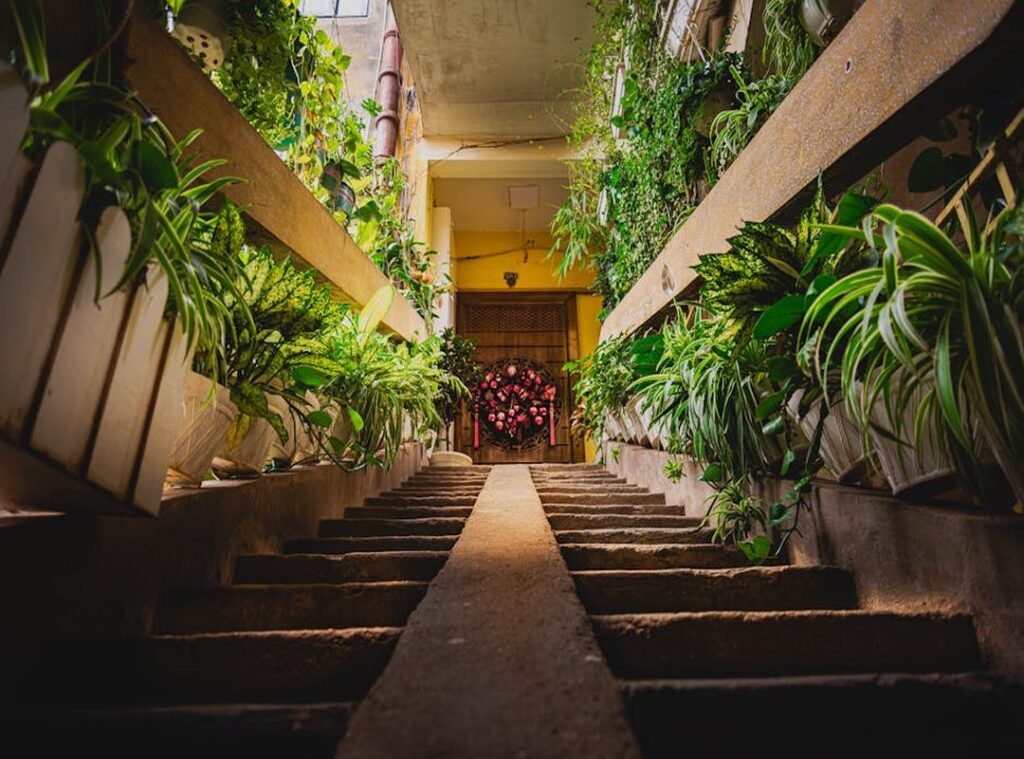
A vertical garden is like magic. It’s a setup where you grow plants on a wall, multiplying your growing space like crazy. Imagine transforming one square foot of floor space into a living wall ten times its size.
That’s what vertical gardens do. You save space and create a stunning visual display. Pretty cool, right?
Let’s dive deeper. Beyond saving space, vertical gardens improve air quality in tight spaces. This is important for apartment dwellers craving fresher air.
Think of it as putting a mini forest in your living room (without the dirt). They also act like “living art,” adding aesthetic value to your home. Every time you look at it, you get a slice of nature.
Having easy access to herbs or veggies without crouching or bending is another plus. Who enjoys back pain, anyway? It’s the ultimate convenience.
Urban living forces us to be creative. We need solutions like vertical gardens to tackle the real-world constraints of small patios or cramped balconies.
Even if you’re living on the 20th floor, you can still connect with nature. Urban jungles don’t have to be devoid of life.
Psychologically, these gardens are gold. Feeling stressed? A glance at your wall of green can reduce anxiety.
This also aligns well with other space optimization techniques, like how you can divide conquer using partitions efficiently. Vertical gardens prove that with creativity, limited space isn’t a limitation. It’s an opportunity.
Who knew walls could be so useful?
Vertical Gardens: What’s Your Type?
to vertical gardens. Sure, they’re the space-saving gardening method everyone is trying … but which type suits you?
First up, wall-mounted pocket planters. These are fabric or recycled plastic felt pockets. Perfect for herbs and annuals.
They’re lightweight and a breeze to install. But here’s the kicker: they can dry out faster than you’d expect. Constant watering vigilance is non-negotiable.
Ideal for someone with a sunny wall and a bit of time to spare.
They offer high plant capacity and are movable. However, they hog more space than wall-mounted options. If you have room to spare, these might be your best bet.
Then there are freestanding tiered and A-frame systems. Think shelf-like structures. Great for larger plants or a small veggie patch on your balcony.
Next, we have modular and stackable planters. These are interlocking pots that form a tower. Perfect for strawberries, lettuces, and mixed arrangements.
They offer excellent drainage and a customizable height. But beware: stack them too high, and they could topple. Not ideal if your balcony gets windy (trust me, I’ve been there).
Lastly, wall-trellis or lattice systems. They’re grids for climbing plants like vines, peas, or beans. An architectural choice that’s both permanent and pretty.
The downside? You’re limited to vining species. But if aesthetics matter (and when don’t they?), this could be your go-to.
All these options bring something to the table. It’s all about matching the right system to your needs. Want low maintenance?
Go modular. Growing veggies? Try tiered systems.
Each has its quirks and benefits. But one thing’s clear: vertical gardens are a fantastic way to maximize space. Whether you’re a city dweller or a suburban gardener, there’s a system out there for you.
What’s your choice?
Plant Choices for Vertical Gardens: Thrive Without Overpowering
Let’s talk about vertical gardens space saving. The main rule? Pick plants with compact growth and shallow roots.
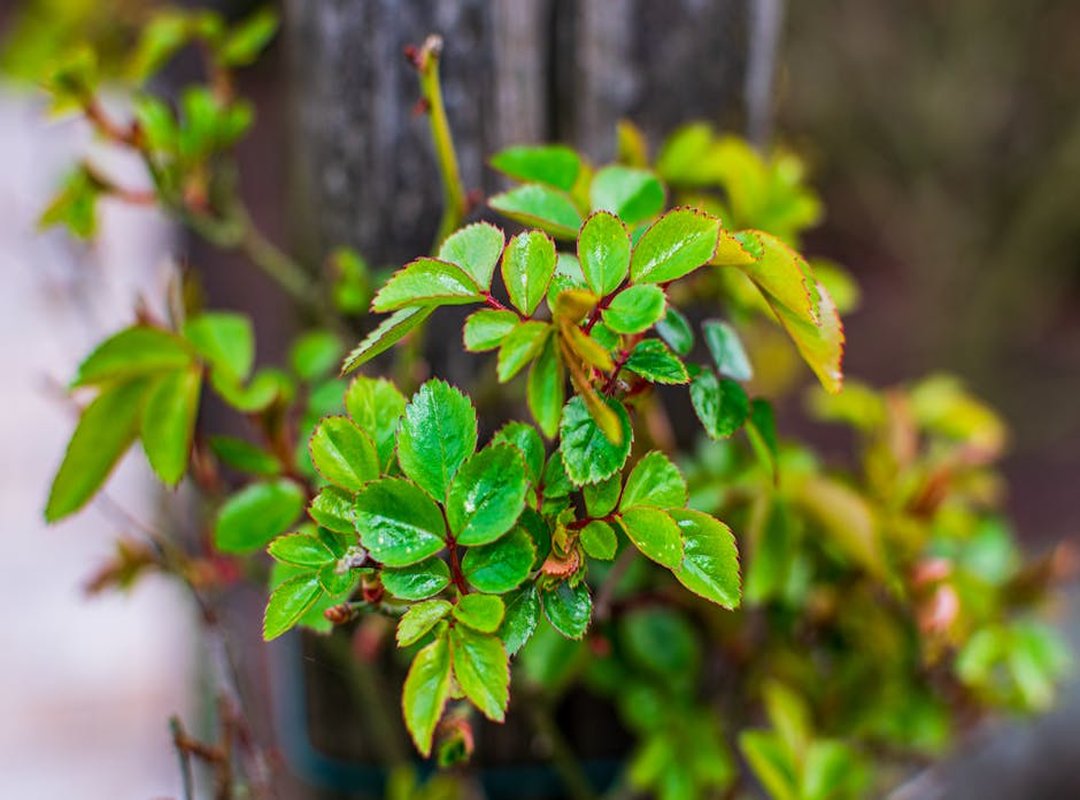
Why? They won’t dominate the container and ruin your setup. (No one wants a garden bully.)
First up, the edible wall. If you’ve got high-sunlight areas, you’re in luck. Herbs like rosemary, thyme, and basil are perfect.
They’re flavorful and don’t need much room. Leafy greens like lettuces and spinach? Absolutely.
They’re easy to grow and harvest. Throw in some cherry tomatoes or peppers if your system is sturdy enough. These guys love the sun and give you a mini grocery store at home.
Now, for the decorative wall. Low-to-medium light? No problem.
Ferns, pothos, and philodendrons will add that designer touch. Pairing different textures and colors can turn your wall into a living art piece. Succulents are also a great choice (and almost impossible to kill).
Lastly, the pollinator-friendly wall. Full sun is key here. Planting petunias, marigolds, and alyssum?
It’s like inviting bees and butterflies over for a party. Lively colors, plus you’re doing the environment a favor.
Here’s a tip: always think about light and water variations. Drought-tolerant plants go on top, moisture lovers at the bottom. It’s not just about looks; it’s smart gardening.
Want more on space optimization? Check out Maximizing Small Spaces Clever Storage Solutions. It’s a game-changer for small spaces.
Installation and Upkeep: Your Blueprint for Long-Term Success
Let’s cut to the chase: setting up your vertical garden is a commitment, but it’s worth it for the space-saving magic it delivers. First, pick a wall that won’t cave under the weight (soil, plants, and water can be a lot). Think about where the sunlight hits.
You don’t want to plant in the shade unless you’re growing mushrooms.
Now, let’s talk water. Sure, you can go old-school with a watering can, but for bigger setups, consider a drip irrigation system. It’s like the difference between a flip phone and a smartphone.
Manual watering might work for small spaces, but for larger ‘living walls’, drip systems prevent dry spots and keep your plants consistently happy.
Soil and nutrition are where the science kicks in. Use a lightweight potting mix with perlite for drainage and coir for moisture retention. Vertical systems lose nutrients faster (gravity isn’t just for apples), so you’ll need to fertilize more often.
A bi-weekly liquid feed should do the trick.
Maintenance isn’t glamorous, but it keeps your garden thriving. Here’s a simple checklist: check moisture levels daily, inspect for pests weekly, and prune monthly. Pruning encourages bushy growth and keeps your garden looking sharp.
Think of it as a haircut for your plants.
In the end, understanding these elements gives you an edge. You’re not just planting; you’re crafting a living, breathing part of your home. So, embrace the process.
Your vertical garden will thank you, and so will your space.
Your Green Space Awaits
Who says limited space means you can’t enjoy gardening? It doesn’t. With vertical gardens space saving, you can blend your love for plants with smart design at home.
It’s about making the most of what you have.
Be analytical. Choose the right system, select the best plants, and maintain your setup. Success is within reach.
Don’t wait. Measure your wall, pick your style, and start designing the lush space you’ve always dreamed of. Need help?
Visit our top-rated guide for step-by-step advice. Your perfect garden is just a decision away. Ready to transform your space?
 There is a specific skill involved in explaining something clearly — one that is completely separate from actually knowing the subject. Christophers Millerater has both. They has spent years working with home living highlights in a hands-on capacity, and an equal amount of time figuring out how to translate that experience into writing that people with different backgrounds can actually absorb and use.
Christophers tends to approach complex subjects — Home Living Highlights, Practical Home Makeover Tips, Interior Styling Ideas being good examples — by starting with what the reader already knows, then building outward from there rather than dropping them in the deep end. It sounds like a small thing. In practice it makes a significant difference in whether someone finishes the article or abandons it halfway through. They is also good at knowing when to stop — a surprisingly underrated skill. Some writers bury useful information under so many caveats and qualifications that the point disappears. Christophers knows where the point is and gets there without too many detours.
The practical effect of all this is that people who read Christophers's work tend to come away actually capable of doing something with it. Not just vaguely informed — actually capable. For a writer working in home living highlights, that is probably the best possible outcome, and it's the standard Christophers holds they's own work to.
There is a specific skill involved in explaining something clearly — one that is completely separate from actually knowing the subject. Christophers Millerater has both. They has spent years working with home living highlights in a hands-on capacity, and an equal amount of time figuring out how to translate that experience into writing that people with different backgrounds can actually absorb and use.
Christophers tends to approach complex subjects — Home Living Highlights, Practical Home Makeover Tips, Interior Styling Ideas being good examples — by starting with what the reader already knows, then building outward from there rather than dropping them in the deep end. It sounds like a small thing. In practice it makes a significant difference in whether someone finishes the article or abandons it halfway through. They is also good at knowing when to stop — a surprisingly underrated skill. Some writers bury useful information under so many caveats and qualifications that the point disappears. Christophers knows where the point is and gets there without too many detours.
The practical effect of all this is that people who read Christophers's work tend to come away actually capable of doing something with it. Not just vaguely informed — actually capable. For a writer working in home living highlights, that is probably the best possible outcome, and it's the standard Christophers holds they's own work to.