Scrolling through endless photos of “cozy” living rooms? You know the ones. They look perfect but feel more like museum pieces than actual homes.
I’ve been there, and it’s frustrating. This guide isn’t about just throwing down some pillows and hoping for the best.
I’ve spent years in interior styling, focusing on how a room feels. Not just how it looks. Because really, isn’t that the point?
The goal isn’t a showroom, it’s a space that speaks to you.
You’re here for hygge living room ideas, and that’s exactly what you’ll get. We’ll explore multi-sensory elements that transform any space into a genuine, livable sanctuary.
Trust me, you’ll walk away with a blueprint to create comfort that’s tailored to your personal style. Ready to get started?
Mastering Color Palettes and Textures: The Foundation
Let’s talk about the psychology of color. Warm colors like reds and oranges feel inviting. Cool colors like blues and greens?
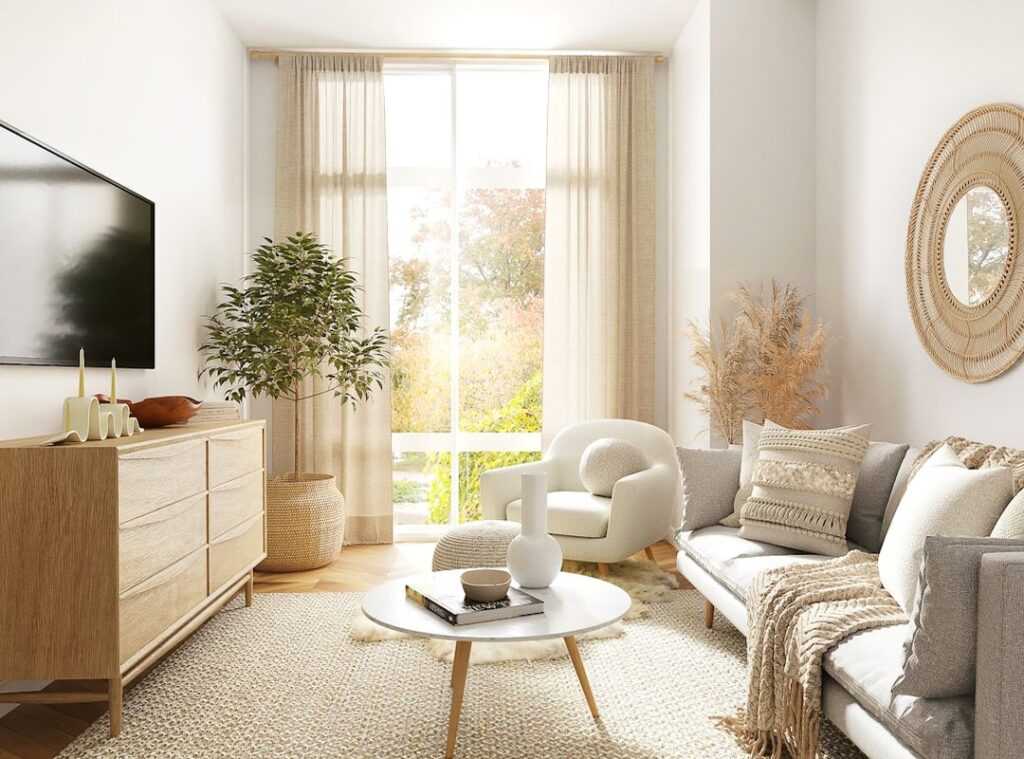
More calming and distant. You might be thinking, “How does this apply to my living room?” Well, using warm neutrals as a base creates a cozy vibe. Think beiges, greiges, and warm whites.
Then, layer in richer accents like terracotta, olive green, or navy. These colors add depth without overwhelming your space.
Here’s a pro tip: the 60-30-10 Rule for coziness. Make 60% of your room a dominant neutral. Add 30% as a secondary color.
Finally, use 10% for a bold accent. It’s simple, but it works wonders. Ever walked into a room that felt flat?
That’s because it was missing texture. Texture is the secret sauce to avoid a boring look. Layering different materials adds dimension and interest.
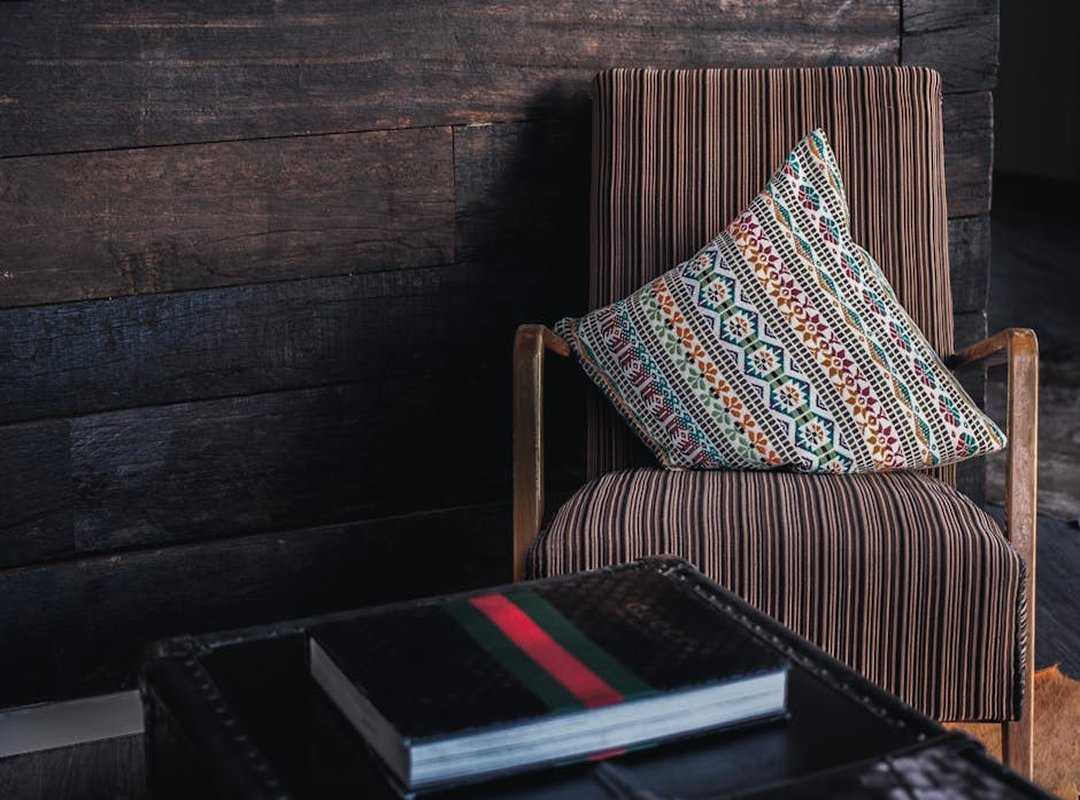
Does your room need a touch of hygge? Consider these textures: chunky knits for throws, velvet for pillows, worn leather for an armchair, natural wood for a coffee table, and plush wool or jute for rugs. Mixing these creates a tactile experience.
It directly contributes to that feeling of warmth and comfort we crave. Don’t underestimate the power of touch.
And if you’re looking for eco friendly furnishings sustainable living, it’s not just good for the planet. It’s stylish too. Combining these elements can transform your space into a hygge haven.
So, why not give it a shot?
The Glow-Up: Why Your Lighting Plan is Everything
Let’s talk lighting. It’s not just about seeing in the dark. It’s about creating a vibe.
Ever heard of “layered lighting”? It’s the number one secret to a cozy ambiance. One harsh overhead light?
That’s the enemy. If you want that warm, inviting space that screams “come, sit, stay awhile,” you need layers.
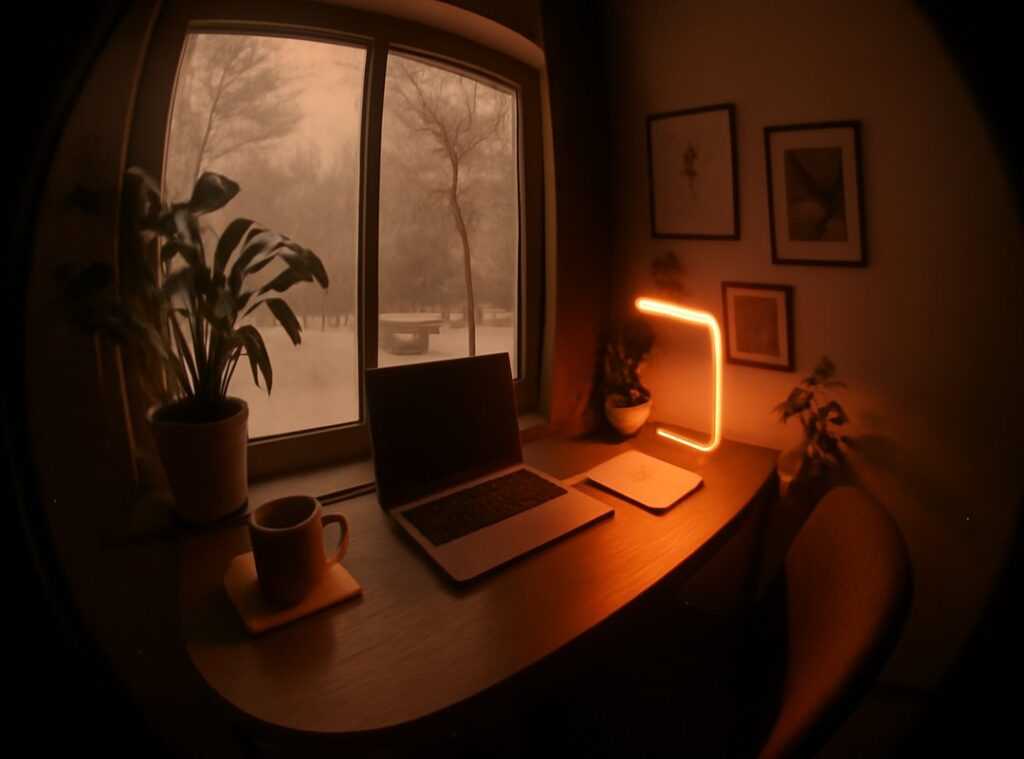
Start with ambient lighting. Think soft overheads on a dimmer. That gives you the control to set the mood.
Then add task lighting. This is your reading lamp by the chair, your desk lamp for late-night work. Finally, accent lights.
Small lamps on side tables or picture lights add that special touch. Each layer works together to build the atmosphere.
Now, let’s get into the nitty-gritty of light bulbs. I swear by warm-toned LED bulbs at 2700K. They create a soft, inviting glow.
None of that sterile, blue-toned light that makes your place feel like a hospital. Trust me, when it comes to hygge living room ideas, warm light is your best friend.
Oh, and don’t forget non-electric light sources. Candles (in safe holders) or a fireplace (real or electric) add flickering, changing light. It enhances that cozy feeling.
It’s like adding a heartbeat to your room (alive) and inviting. So, what’s your lighting plan?
Beyond the Visuals: Engaging Scent and Sound
Creating a cozy space isn’t just about what you see. It’s about what you feel. The power of scent can transform your room into a sanctuary.
Think about this: subtle, warm scents like sandalwood or cedar. It’s like breathing in a warm hug. You can use important oil diffusers or high-quality candles.
Even simmering spices on the stove works wonders.
Avoid those overpowering air fresheners. They ruin the whole vibe by making things feel too clinical. You want your space to be inviting, not a doctor’s office.
Now, let’s talk sound. Soft textures matter (and you might not realize it). Rugs, curtains, and upholstered furniture absorb sound.
They reduce echo and create that serene quietness we all crave.
Have you considered a ‘cozy playlist’? Something calming like ambient or instrumental music sets the mood perfectly. Or maybe, just let the quietness speak for itself.
A well-insulated room can offer peace and tranquility, giving you the perfect escape.
If you want more inspiration on how to create a peaceful retreat, you might want to check out how you can Transform Balcony Relaxation Oasis. It’s all about embracing every sensory element for the ultimate hygge living room ideas.
Cozy Corners: Mastering Intimate Layouts
Ever walked into a room and felt like it was giving you a hug? That’s the magic of intimate layouts. Pulling furniture away from the walls isn’t just a trick; it’s a revelation.
When you create a central conversation area with sofas and chairs facing each other, you build a sense of connection. It’s like setting the stage for a heartfelt chat.
Now, let’s talk about zoning. It’s the art of defining spaces within a larger room. Use a large area rug to anchor your main seating area.
This visually defines your “cozy zone” and makes the room feel intentional. Think of it as creating a little world within your living space.
Got a small living room? No problem. Use appropriately scaled furniture.
Consider a loveseat instead of a massive sofa, and opt for round coffee tables. They improve flow and soften those harsh edges. This is where hygge living room 7 style tips come into play.
Embracing these ideas can turn a cramped space into a snug retreat.
Pro tip: don’t underestimate the power of good lighting. A well-placed lamp can change everything (seriously). Hygge living room ideas aren’t just about aesthetics; they’re about creating spaces that feel safe and inviting.
After all, isn’t that what home should be?
The Personal Touch: Curating Your Comfort Collection
You know that feeling when you walk into a room and it feels like a showroom? Yeah, that’s the opposite of cozy. The final layer of coziness is all about personal connection.
It’s not just about what looks good but what feels authentic to you.
Think about it. Does a space really feel like home without those family photos or quirky travel souvenirs? (That seashell you picked up on a random beach trip.) Create your own ‘comfort corner’ with a favorite armchair, a reading lamp, and a basket of blankets.
That’s how you turn a room into a haven. Your space should reflect who you are, not some catalog page. True inspiration comes from within.
So, when considering hygge living room ideas, think personal.
Your Cozy Retreat Starts Here
Feeling like your living room is just a jumble of random “cozy” items? Let’s fix that. What you need is a multi-sensory overhaul.
Think colors, textures, light, and scent. You’ve got the whole system now.
So, what’s your first move? Easy. Pick one tip from this guide.
Swap those light bulbs or find that perfect scented candle. Do it this week. You’ll see the change.
Make your space a real haven, not just a room. Curious about hygge living room ideas? You’re set now.
Transform your home into the retreat you deserve. Get started today.
 Richards Lambusteder has opinions about interior styling ideas. Informed ones, backed by real experience — but opinions nonetheless, and they doesn't try to disguise them as neutral observation. They thinks a lot of what gets written about Interior Styling Ideas, Practical Home Makeover Tips, Decorad Space Optimization Techniques is either too cautious to be useful or too confident to be credible, and they's work tends to sit deliberately in the space between those two failure modes.
Reading Richards's pieces, you get the sense of someone who has thought about this stuff seriously and arrived at actual conclusions — not just collected a range of perspectives and declined to pick one. That can be uncomfortable when they lands on something you disagree with. It's also why the writing is worth engaging with. Richards isn't interested in telling people what they want to hear. They is interested in telling them what they actually thinks, with enough reasoning behind it that you can push back if you want to. That kind of intellectual honesty is rarer than it should be.
What Richards is best at is the moment when a familiar topic reveals something unexpected — when the conventional wisdom turns out to be slightly off, or when a small shift in framing changes everything. They finds those moments consistently, which is why they's work tends to generate real discussion rather than just passive agreement.
Richards Lambusteder has opinions about interior styling ideas. Informed ones, backed by real experience — but opinions nonetheless, and they doesn't try to disguise them as neutral observation. They thinks a lot of what gets written about Interior Styling Ideas, Practical Home Makeover Tips, Decorad Space Optimization Techniques is either too cautious to be useful or too confident to be credible, and they's work tends to sit deliberately in the space between those two failure modes.
Reading Richards's pieces, you get the sense of someone who has thought about this stuff seriously and arrived at actual conclusions — not just collected a range of perspectives and declined to pick one. That can be uncomfortable when they lands on something you disagree with. It's also why the writing is worth engaging with. Richards isn't interested in telling people what they want to hear. They is interested in telling them what they actually thinks, with enough reasoning behind it that you can push back if you want to. That kind of intellectual honesty is rarer than it should be.
What Richards is best at is the moment when a familiar topic reveals something unexpected — when the conventional wisdom turns out to be slightly off, or when a small shift in framing changes everything. They finds those moments consistently, which is why they's work tends to generate real discussion rather than just passive agreement.