Feeling overwhelmed by bohemian style decor? You’re not alone. Many adore its free-spirited vibe yet struggle to avoid clutter.
This guide is here to rescue you from chaos, presenting a clear approach to crafting a bohemian-inspired home. We draw on years of interior styling expertise and focus on timeless design, not passing fads. You want a space that’s both personal and sophisticated.
Right? By reading on, you’ll learn not just the core elements but also the color theory and styling techniques to confidently embrace this aesthetic. Trust me, you’ll walk away ready to transform your space.
Beyond Boho: The Real Bohemian Philosophy
Bohemian style decor isn’t just about the look. It’s about freedom and creativity. You know what I mean?
It’s not just the stuff you buy, but the stories those items tell. The kind of stories you can’t just pick up at a chain store.
Now, here’s the thing. Modern “boho-chic” often gets mistaken for the real deal. But let’s be honest, it’s usually mass-produced.
Authentic bohemian style is personal. It’s about history, travel, and those unique finds that make you think, “Where’s that been?”
Does this mean you can’t mix styles? Absolutely not. In fact, mixing vintage modern perfect blend can create a stunning, layered look.
It’s like having a conversation between eras in your living room. Check out mixing vintage modern perfect blend for more inspiration.
The bohemian ethos values individuality over conformity. It’s comfort over formality, a nod to nature and artistry. It’s not about following trends.
It’s about setting your own. So, when you’re choosing pieces, ask yourself: does this tell my story?
Pro tip: Embrace imperfections. They add character. That’s the heart of bohemian style.
It’s more than decor; it’s a way of life.
Bohemian Vibes: The Building Blocks
When it comes to bohemian style decor, let me tell you, it’s all about the mix. First up, natural materials and textures. Wood, rattan, wicker, and jute are your best friends.
I once found this amazing jute rug at a thrift store, and it changed my whole living room. Layering these materials adds depth and warmth. Imagine a live-edge wood coffee table paired with a wicker armchair. does it look great, but it feels inviting.
Next, let’s talk about layered textiles. Textiles create comfort and visual interest. Think Moroccan rugs, macrame wall hangings, mudcloth pillows, and flowy linen curtains.
Mixing patterns and textures isn’t just a suggestion; it’s a must. I once layered a Moroccan rug over a plain sisal rug. It was like magic.
Suddenly, the room had that cozy, collected feel you can’t buy in a box store.
Don’t forget lush greenery. Plants are living decor. They purify the air and add life to any space.
But let’s be real, not everyone has a green thumb. That’s why I recommend easy-care plants like Snake Plants, Pothos, and Monstera. Hanging planters or tall floor plants can create vertical layers too.
I have a Monstera that practically has its own zip code, and it makes such a statement.
And then there’s the thrill of unique and vintage finds. This is where your personality shines. Flea markets, thrift stores, or even your travels can be gold mines.
I’ve picked up some of my favorite pieces this way. A vintage mirror here, an antique chest there, and suddenly, your space tells a story. Handmade pottery also adds that personal touch.
If you’re wondering how to decorate in bohemian style, it’s all about bringing these elements together in a way that’s uniquely you. It’s not about perfection. It’s about embracing the eclectic and the imperfect.
It’s a style where everything has a story, and every piece feels like it belongs (even if it’s just because you love it). Trust me, once you dive into bohemian style decor, you won’t look back.
Mastering the Bohemian Color Palette: Your Guide to Lively Spaces
When it comes to creating a bohemian style decor that feels both inviting and grounded, start with warm, earthy base colors. Think terracotta, beige, brown, and olive green. These shades provide a solid foundation for any space.
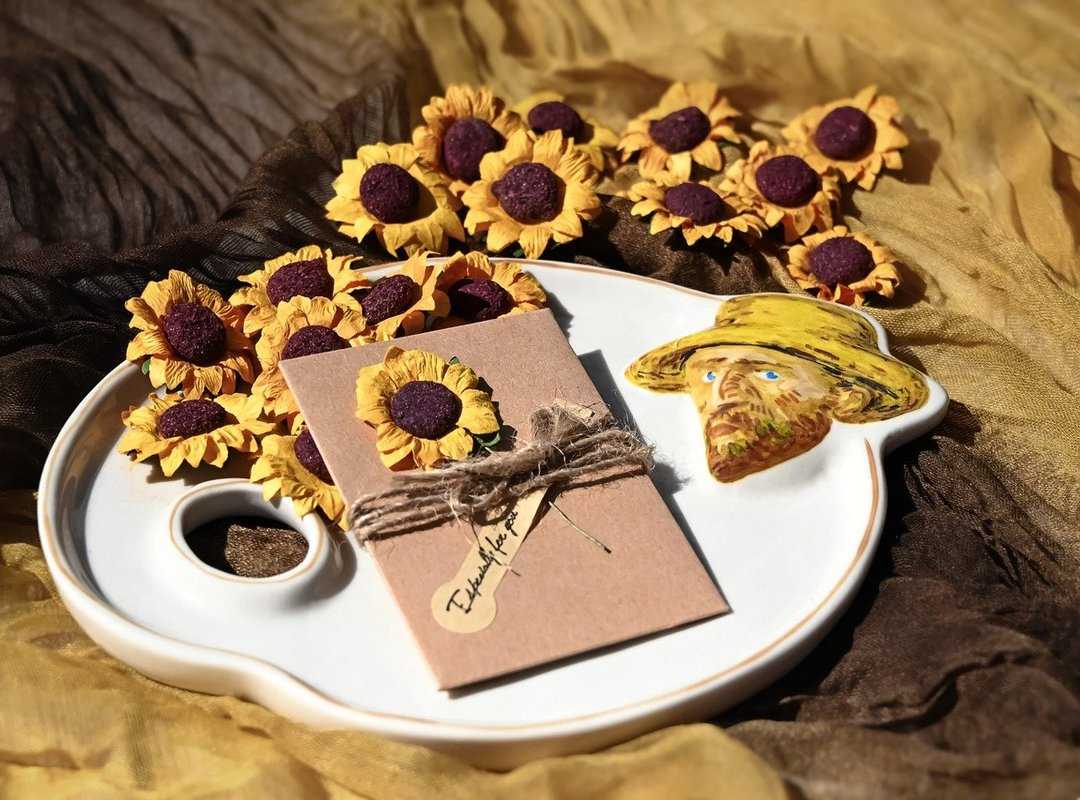
Picture them as a canvas for your creativity. They ground the room, preventing it from descending into chaos.
Now, let’s spice things up. Jewel-toned accents are where you can get playful. Sapphire blue, ruby red, amethyst purple, and emerald green.
These colors infuse a space with personality and energy. Like a favorite song that just makes you want to dance. But why these specific shades?
Here’s where it gets fun: combining palettes. Want “Earthy & Calm”? Pair terracotta with emerald and a splash of amethyst.
Because they add depth and texture without clashing with the natural tones.
It’s soothing yet intriguing. Prefer “Lively & Eclectic”? Mix olive green with ruby red and sapphire.
This combo pops without overwhelming the senses. You see, it’s all about balance.
Avoid primary colors. They can clash with the bohemian vibe and ruin the mood. You know the feeling of wearing mismatched socks?
It’s like that, but for your walls.
And if you’re exploring different styles, industrial chic urban style home decor offers another intriguing avenue. It’s a different beast but equally fascinating.
So, what’s your color story? The right hues can transform a room from drab to fabulous. It’s all in the details, and with these tips, you’re on your way to mastering the bohemian palette.
Styling with Purpose: Avoid the ‘Cluttered’ Look
Let’s talk bohemian style decor. When I say “bohemian,” I don’t mean a jumble of mismatched items tossed together. It’s about curating a personal vibe that feels intentional.
But where’s the line between an eclectic collection and pure chaos? Simple: it’s all in the purposeful arrangement.
How do you take a space from cluttered to curated? Start with Tip 1: Create Groupings. You know those little knick-knacks you love?
Group them. A cluster of small plants on a tray or a group of candles on a mantle creates a single point of impact. It’s not about hiding your treasures but displaying them with intention.
Leave some spaces empty. Negative space isn’t wasted space; it’s the pause between beats in a song. It lets your eye rest and makes the highlights shine. (No one wants decor-induced headaches.)
Next, Tip 2: Make sure Visual Breathing Room. Ever seen a wall so crammed with art you can’t even focus? It’s overwhelming.
Finally, Tip 3: Establish a Focal Point. Choose one thing to anchor the room. It could be anything: a bold rug, a massive piece of art, or a carefully crafted gallery wall.
Make it the star, and let everything else support it.
Doesn’t this sound more inviting? The room feels cohesive, yet personal. It’s about elevating the chaos to artistry.
That’s curated maximalism. It’s more than just throwing together what you like (it’s) crafting an experience where every piece has a role to play. Don’t just decorate.
Curate.
Create Your Bohemian Oasis Now
You’ve cracked it. Turning that chaotic bohemian style decor into elegance is no longer a mystery. Remember, it’s about embracing natural materials, textures, and colors without the clutter.
You’ve got this.
You now have the tools to transform your space into something personal and stylish. What’s next? Start small.
Pick an area (maybe) a nook or a corner (and) apply what you’ve learned. It’ll grow from there.
Feeling ready? Dive in. Your sanctuary awaits.
We’re here to help. Visit decoradhouse.com.co to start your journey. Make it happen.
Turn your vision into reality.
 There is a specific skill involved in explaining something clearly — one that is completely separate from actually knowing the subject. Christophers Millerater has both. They has spent years working with home living highlights in a hands-on capacity, and an equal amount of time figuring out how to translate that experience into writing that people with different backgrounds can actually absorb and use.
Christophers tends to approach complex subjects — Home Living Highlights, Practical Home Makeover Tips, Interior Styling Ideas being good examples — by starting with what the reader already knows, then building outward from there rather than dropping them in the deep end. It sounds like a small thing. In practice it makes a significant difference in whether someone finishes the article or abandons it halfway through. They is also good at knowing when to stop — a surprisingly underrated skill. Some writers bury useful information under so many caveats and qualifications that the point disappears. Christophers knows where the point is and gets there without too many detours.
The practical effect of all this is that people who read Christophers's work tend to come away actually capable of doing something with it. Not just vaguely informed — actually capable. For a writer working in home living highlights, that is probably the best possible outcome, and it's the standard Christophers holds they's own work to.
There is a specific skill involved in explaining something clearly — one that is completely separate from actually knowing the subject. Christophers Millerater has both. They has spent years working with home living highlights in a hands-on capacity, and an equal amount of time figuring out how to translate that experience into writing that people with different backgrounds can actually absorb and use.
Christophers tends to approach complex subjects — Home Living Highlights, Practical Home Makeover Tips, Interior Styling Ideas being good examples — by starting with what the reader already knows, then building outward from there rather than dropping them in the deep end. It sounds like a small thing. In practice it makes a significant difference in whether someone finishes the article or abandons it halfway through. They is also good at knowing when to stop — a surprisingly underrated skill. Some writers bury useful information under so many caveats and qualifications that the point disappears. Christophers knows where the point is and gets there without too many detours.
The practical effect of all this is that people who read Christophers's work tend to come away actually capable of doing something with it. Not just vaguely informed — actually capable. For a writer working in home living highlights, that is probably the best possible outcome, and it's the standard Christophers holds they's own work to.