

We’ve all been there. Standing in a beautifully furnished room that just doesn’t feel right. Flat.
Lifeless. Ever wonder what’s missing? The secret ingredient?
It’s more than adding a few lamps here and there. It’s about using lighting in home design to transform your space. Professionals know this: with the right lighting, you can boost mood, function, and even make a small room feel spacious.
I promise, this isn’t just theory. This article breaks down those core principles into actionable steps. You’ll move from basic bulb placement to truly intentional design.
Ready to see your home in a new light?
Illuminating Elements: Not Just Light Fixtures
When I first heard “illuminating elements,” I thought of lamps and chandeliers. But it’s more than just light fixtures. It’s a complete idea that changes how we see lighting in home design.
Let’s start with natural light. It’s the most changing source, constantly shifting in color and intensity. You know that warm glow at sunset?
That’s natural light at its finest. It affects more than just the look of a room. It impacts how we feel in a space.
If you want to dive deeper into this, you should definitely check out maximize natural light design tips.
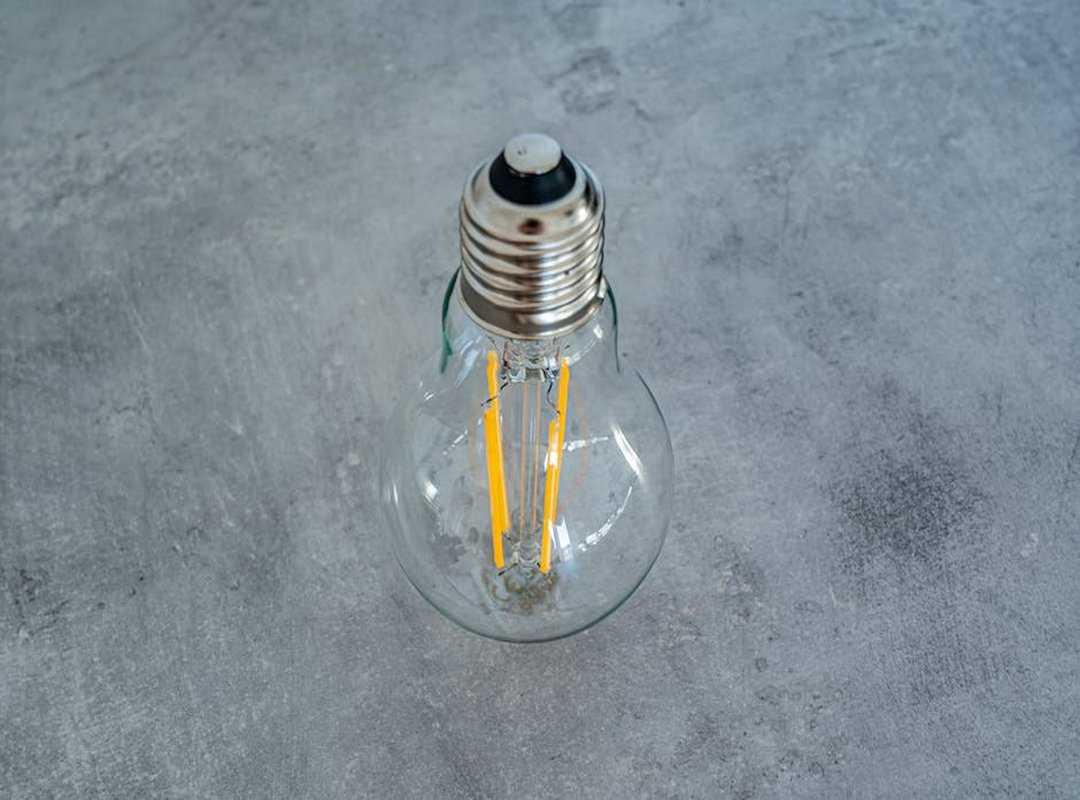
Then there’s artificial light. We control it. From pendants to sconces, these are the tools we use to layer light.
This category has its own complexities, which I’ll get into later. But let’s face it, without artificial light, our evenings would be pretty bleak.
Finally, the secret sauce: reflective and modifying elements. Think mirrors, metallic finishes, and even paint sheen. They’re not just decorative.
They manipulate and distribute light, changing a room’s atmosphere. Ever noticed how a mirror can make a small room feel bigger? That’s reflective magic at work.
So, illuminating elements aren’t just about brightness. They’re about creating mood and space. And trust me, once you start seeing them this way, you’ll never look at a room the same again.
Lighting Layers: Crafting the Perfect Atmosphere
When it comes to lighting a room, forget just tossing a lamp in the corner and calling it a day. Real pros use the three-layer plan. It’s what separates the amateurs from those who truly understand lighting in home design.
First up, Ambient Lighting. This is your base layer. It’s the broad, general light that makes sure you don’t trip over the cat.
Think recessed lights, ceiling fixtures, or maybe a chandelier if you’re feeling fancy. You can’t ignore this one if you want a comfortable and safe room.
Then we have Task Lighting. The spotlight of functionality. It’s key for activities like reading or cooking.
Without it, you’re squinting to see if that’s paprika or chili powder you’re adding to the pot. Desk lamps, under-cabinet kitchen lights, that reading lamp you’ve contemplated buying but haven’t yet. All essentials for reducing eye strain and boosting efficiency.
Finally, Accent Lighting. This is drama. It’s the director’s cut on your room’s story.
Spotlights on your artwork, uplights for your favorite plant, or picture lights over family portraits. They create intrigue and highlight the parts of your space you’re proud of.
Each layer serves a unique purpose, yet together they create a balanced and functional space. Ignore one, and you’re left with a room that’s either a cave or a harsh interrogation chamber. Who wants that?
Embrace the layers and raise your living space.
Natural Light: The Ultimate Design Ally
Ever notice how a room just feels better when it’s flooded with sunlight? That’s no coincidence. Natural light is your most solid design tool.
It’s free, ever-changing, and it boosts your mood. Why shell out for expensive lighting fixtures when the sun offers a changing display every day?
Think about window treatments. Heavy drapes might seem luxurious, but they’re blocking what you need. Opt for sheer curtains or solar shades.
Let light pour in without sacrificing privacy.
And furniture placement? Key. Analyze where the sun travels and arrange your seating to catch the rays (but don’t let it cause screen glare).
Avoid placing large, dark furniture in front of a primary window. What’s the point of a view if it’s blocked?
Color’s another biggie. Light walls reflect sunlight, making spaces feel bigger and brighter. Dark colors?
They just swallow the light. Want to know more about how textures play into this? Check out choosing right textures each room for more takeaways.
Lighting in home design isn’t just about bulbs and lamps. It’s about maximizing what’s free and accessible. Don’t overlook the power of the sun!
Beyond the Bulb: Surfaces and Materials for Light
Ever wonder how to make a room feel bigger without knocking down walls? Mirrors are your secret weapon. They don’t just reflect your face.
Mirrors can double natural light by bouncing it back into the room. Stick one opposite a window and watch as your space expands.
Now, let’s talk metallic finishes. They’re not just shiny for the sake of being shiny. Finishes like chrome, brass, and polished nickel catch and bounce light everywhere.
It’s like having a disco ball without the dance floor (fewer bad dance moves, more sparkle).
Paint isn’t just about color. The sheen matters too. Satin or semi-gloss finishes on walls and trim reflect more light than flat or matte ones.
Subtly, they brighten a room. Yes, even that neglected corner where houseplants go to die.
These techniques aren’t just for show-offs. They’re practical, especially in tiny spaces. Who doesn’t want to make the most of what they’ve got?
So, next time you’re thinking about lighting in home design, remember: surfaces and materials aren’t just about looks. They play a key role in how light interacts with your space. Why not use what you’ve already got to your advantage?
Lighting Fixes: Brighten Up Your Space
Let’s talk about a big blunder in lighting in home design: the single overhead light. You know, that lonely ceiling fixture? It’s like having a spotlight on a stage (harsh) and unflattering.
Ever notice how it casts shadows that make your room look like a horror movie? You need the three-layer plan: ambient, task, and accent lighting. Think of it as lighting’s version of a good mixtape (remember those?).
Now, dimmer switches. Seriously, why do people ignore them? Dimmers are the unsung heroes of mood control.
Want bright lights for cleaning? Dimmer. Want a cozy vibe for movie night?
Dimmer. They’re cost-effective and versatile.
Color temperature is another pitfall. Ever walked into a room and felt like you’re in a hospital? That’s mismatched color temperature for you.
Warm and cool lights clash like a bad fashion choice. Stick to a similar range in each room. For a cozy living space, aim for 2700K-3000K.
It’s all about cohesion.
Pro tip: Pay attention to these details, and your space will look better; it’ll feel better too. Lighting sets the mood, so don’t skimp on it.
Light Up Your Life
Ever walk into a room and feel…nothing? That’s the problem. It’s not just about furniture.
It’s about lighting in home design. Raise your space from bland to bold by mastering the art of illuminating elements. You’ve got the tools now.
So use them.
Start by choosing one room this week. Analyze its three layers of light. What simple change, like adding a task lamp or a mirror, could make it pop instantly?
Don’t wait. Transform your space today. Turn lifeless into lively.
Want proof? Try it for yourself and see the difference. Light is your secret weapon.
 There is a specific skill involved in explaining something clearly — one that is completely separate from actually knowing the subject. Christophers Millerater has both. They has spent years working with home living highlights in a hands-on capacity, and an equal amount of time figuring out how to translate that experience into writing that people with different backgrounds can actually absorb and use.
Christophers tends to approach complex subjects — Home Living Highlights, Practical Home Makeover Tips, Interior Styling Ideas being good examples — by starting with what the reader already knows, then building outward from there rather than dropping them in the deep end. It sounds like a small thing. In practice it makes a significant difference in whether someone finishes the article or abandons it halfway through. They is also good at knowing when to stop — a surprisingly underrated skill. Some writers bury useful information under so many caveats and qualifications that the point disappears. Christophers knows where the point is and gets there without too many detours.
The practical effect of all this is that people who read Christophers's work tend to come away actually capable of doing something with it. Not just vaguely informed — actually capable. For a writer working in home living highlights, that is probably the best possible outcome, and it's the standard Christophers holds they's own work to.
There is a specific skill involved in explaining something clearly — one that is completely separate from actually knowing the subject. Christophers Millerater has both. They has spent years working with home living highlights in a hands-on capacity, and an equal amount of time figuring out how to translate that experience into writing that people with different backgrounds can actually absorb and use.
Christophers tends to approach complex subjects — Home Living Highlights, Practical Home Makeover Tips, Interior Styling Ideas being good examples — by starting with what the reader already knows, then building outward from there rather than dropping them in the deep end. It sounds like a small thing. In practice it makes a significant difference in whether someone finishes the article or abandons it halfway through. They is also good at knowing when to stop — a surprisingly underrated skill. Some writers bury useful information under so many caveats and qualifications that the point disappears. Christophers knows where the point is and gets there without too many detours.
The practical effect of all this is that people who read Christophers's work tend to come away actually capable of doing something with it. Not just vaguely informed — actually capable. For a writer working in home living highlights, that is probably the best possible outcome, and it's the standard Christophers holds they's own work to.