
Ever stood in a paint store, bombarded by terms like ‘honed,’ ‘satin,’ and ‘lacquered’? You’re not alone. Choosing the wrong surface finish isn’t just an aesthetic blunder; it can lead to costly fixes and impractical spaces.
I know you’re wondering if this guide can actually help. Trust me, it can. I’ve spent years decoding complex design principles into actionable advice for homeowners like you.
This isn’t some dry, academic lecture. It’s a practical guide focused on textures in room design.
By the end, you’ll have the confidence to choose the right finishes, balancing looks with durability and maintenance. So why trust this content? Because it’s built on real-world experience, not abstract theory.
You’re not just learning definitions. You’re learning to make informed decisions for your home.
Beyond Color: The Secret of Surface Finishes
When I say “surface finish,” I mean that final touch that gives a material its character. It’s like the grammar of design, telling us how to read the room. The way a surface feels, reflects light, and stands up to wear is all about the finish.
Let’s break it down.
First, light and space. A glossy finish bounces light, making a room feel bigger (like those mirrors in tiny apartments). Matte finishes?
They absorb light, giving a cozy, modern vibe. Ever wonder why some spaces feel so airy while others are muted? It’s the finish.
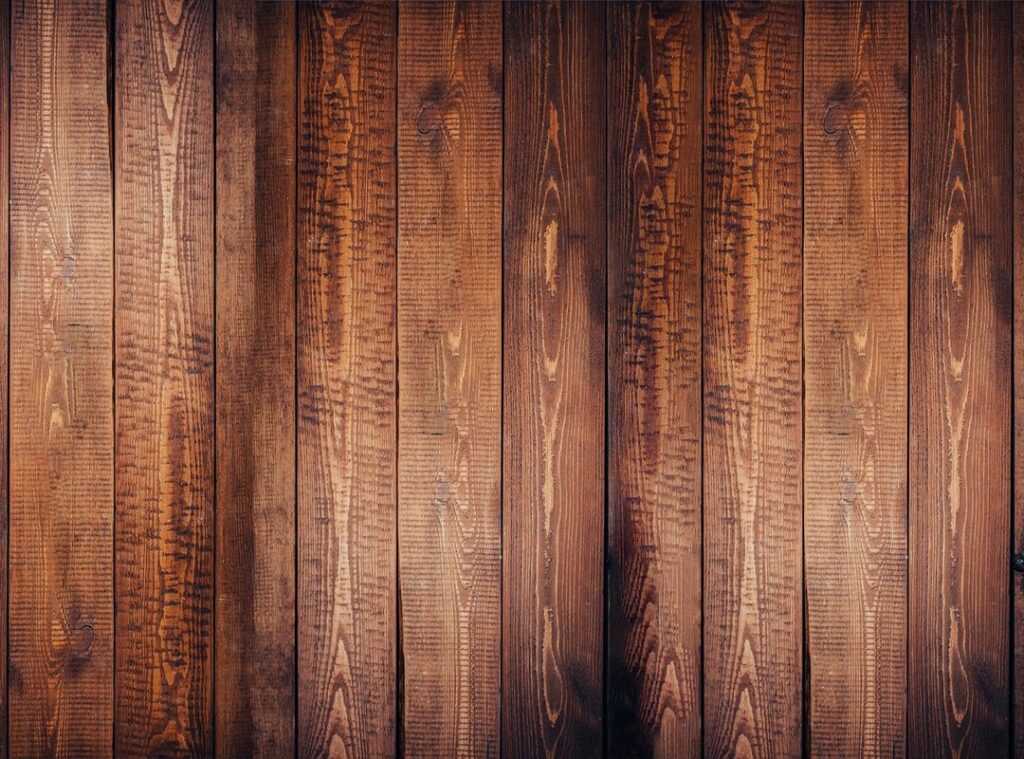
Next, texture and touch. A rough wood surface feels warm and rustic, while smooth marble screams luxury. It’s about the tactile experience.
Think about textures in room design; they change everything.
Finally, durability and maintenance. This is where the rubber meets the road. Your finish is the unsung hero, protecting surfaces from the daily grind.
Without it, good luck keeping things clean and pristine.
Want to explore how these elements work together? Check out space harmony balancing elements decor to see how finishes play into the bigger picture.
So, what’s your finish saying about your space?
Wall Finishes that Wow: A Sheen for Every Space
Let’s start with the most common entry point for homeowners: paint finishes. Ever wondered why some walls look different in varying lights? It’s all about the sheens.
Paint sheens can transform a room’s vibe, so picking the right one is important.
First off, matte or flat finishes. They’re non-reflective and velvety, perfect for low-traffic areas like adult bedrooms. Why?
They hide wall imperfections like a pro (think of them as the Instagram filter of wall textures). But don’t expect to clean these easily. They’re tough to wipe down, so save them for spots that aren’t constantly trafficked.
Now, if you’re like most folks, you go for eggshell or satin. They offer that sweet middle ground with a slight sheen that’s durable yet stylish. They’re more forgiving when it comes to scuffs and good for medium-traffic zones like hallways or family rooms.
It’s no wonder they’re popular. Need to wipe off fingerprints? Easy peasy.
For those looking to make a statement, semi-gloss and high-gloss are your go-tos. They’re highly reflective and durable, making them perfect for high-moisture areas like kitchens. The downside?
They highlight every flaw on the wall. But who cares if cleanliness and impact are what you’re after?
Once you get the hang of choosing finishes, dive into the art of mixing textures in interior design. This expands your design toolkit by incorporating various textures in room design. It adds a whole new level of depth and interest to any space.
Decoding Finishes for High-Impact Surfaces
When we talk about floors and countertops, we’re talking about the unsung heroes of any room. These surfaces take a beating (and keep on ticking), so choosing the right finish is key. to the world of textures in room design, focusing on durability and daily wear.
For natural stone like marble and granite, finishes matter. A polished finish gives you that high-gloss look and seals the pores. It’s a great choice if you’re worried about stains.
But let’s be real, it shows scratches and can be slippery. Who wants a skating rink in their kitchen?
Then there’s honed stone. This finish offers a matte or satin look and doesn’t scream “look at that scratch!” every time you glance down. It’s less slippery too, but more open pores mean it’s not the best against stains.
Now, leathered or brushed finishes provide a textured surface with a soft sheen. They’re fantastic at hiding fingerprints and water spots. The downside?
It’s a trade-off.
They can be trickier to clean. Those nooks and crannies collect everything.
Switching gears to wood surfaces, like floors or butcher blocks, it’s all about the type of finish. Polyurethane is the go-to “film” finish. Oil-based versions add a warm amber tone, while water-based stays clear.
Of course, VOCs (volatile organic compounds) are a concern, so choose wisely.
Hardwax oil, on the other hand, soaks into the wood, offering protection from within. It gives a natural look and is easy to spot-repair. But it’s not as tough against scratches and stains as polyurethane.
So you have to ask, what’s more important: beauty or brawn?
For those wanting to tweak their space further, this guide offers tips to maximize natural light. It’s a great next step after you’ve nailed your finishes.
Choosing the right finish isn’t just about looks. It’s about performance too. Make your surfaces work for you, not against you.
The Finishing Touch: Defining Style with Cabinetry Finishes
Choosing the right finish for cabinetry and furniture is like picking the perfect outfit. It’s not just about looks; it’s about protection too. Think of finishes as the armor your pieces wear.

They shield against scratches, spills, and the inevitable chaos of daily life.
Lacquered finishes? They’re the go-to for modern and minimalist designs. They create a hard, durable shell that can be either matte or high-gloss.
It’s about that smooth, polished look.
Stained finishes are a different beast. They change the wood’s color but let the natural grain shine through. This is the soul of traditional, rustic, and even mid-century modern styles.
It’s authenticity in a can.
Painted finishes offer endless color choices. They’re perfect for shaker-style cabinets or breathing new life into tired furniture. Got an old dresser?
Give it a fresh coat of paint and voilà!
Waxed finishes offer a soft, low-sheen look. They boost the wood’s natural feel but need more maintenance. It’s a classic choice for an antique vibe.
Incorporating these finishes can transform the textures in room design. So, what’s your next move? Look at your space and decide what story you want it to tell.
The Ultimate Finish Checklist: Nail Your Next Project
Choosing the right finish is key. First, think about function and traffic. Is it a high-traffic area like a kitchen counter?
It better be durable. Next, consider lighting. Does the room soak up sunlight?
A satin finish could reflect light beautifully. Now, maintenance. How much upkeep can you handle?
Textures in room design play a key role here. These considerations are your guide. Don’t skip any.
Some finishes (like oiled floors) demand more TLC. Lastly, what’s the vibe? Are we talking cozy, or are you aiming for modern gloss?
Your room’s future self will thank you.
No More Guesswork
Feeling lost with surface finishes? You’re not alone. But now, armed with this guide, you can confidently choose the right finish.
By focusing on function, lighting, maintenance, and aesthetics, you shift from confusion to smart design decisions. Remember those textures in room design matter. Bookmark this guide.
Use the checklist. It’s your first step to a stunning home transformation. Ready to start planning your next project?
You’re just one decision away from a beautifully designed space.
 There is a specific skill involved in explaining something clearly — one that is completely separate from actually knowing the subject. Christophers Millerater has both. They has spent years working with home living highlights in a hands-on capacity, and an equal amount of time figuring out how to translate that experience into writing that people with different backgrounds can actually absorb and use.
Christophers tends to approach complex subjects — Home Living Highlights, Practical Home Makeover Tips, Interior Styling Ideas being good examples — by starting with what the reader already knows, then building outward from there rather than dropping them in the deep end. It sounds like a small thing. In practice it makes a significant difference in whether someone finishes the article or abandons it halfway through. They is also good at knowing when to stop — a surprisingly underrated skill. Some writers bury useful information under so many caveats and qualifications that the point disappears. Christophers knows where the point is and gets there without too many detours.
The practical effect of all this is that people who read Christophers's work tend to come away actually capable of doing something with it. Not just vaguely informed — actually capable. For a writer working in home living highlights, that is probably the best possible outcome, and it's the standard Christophers holds they's own work to.
There is a specific skill involved in explaining something clearly — one that is completely separate from actually knowing the subject. Christophers Millerater has both. They has spent years working with home living highlights in a hands-on capacity, and an equal amount of time figuring out how to translate that experience into writing that people with different backgrounds can actually absorb and use.
Christophers tends to approach complex subjects — Home Living Highlights, Practical Home Makeover Tips, Interior Styling Ideas being good examples — by starting with what the reader already knows, then building outward from there rather than dropping them in the deep end. It sounds like a small thing. In practice it makes a significant difference in whether someone finishes the article or abandons it halfway through. They is also good at knowing when to stop — a surprisingly underrated skill. Some writers bury useful information under so many caveats and qualifications that the point disappears. Christophers knows where the point is and gets there without too many detours.
The practical effect of all this is that people who read Christophers's work tend to come away actually capable of doing something with it. Not just vaguely informed — actually capable. For a writer working in home living highlights, that is probably the best possible outcome, and it's the standard Christophers holds they's own work to.